Al·lotes: The Ibiza That Remains
In her debut fashion collection, Anna Maragall reimagines the traditional Ibizan payesa through contemporary dress, landscape and a quieter vision of an island shaped by change.
Ibiza is one of those places whose image tends to arrive before its reality. Clubs, villas, beaches, excess and the promise of an endless summer have become part of a visual language exported far beyond the island itself. With Al·lotes, Anna Maragall begins somewhere else. Her debut fashion project turns towards the payesa, the traditional Ibizan woman, using her not as a nostalgic figure but as a way of considering what happens to local identity when a place becomes increasingly understood through tourism.
For Maragall, the subject is personal. Having spent her summers in Ibiza since childhood, she describes watching the character of the island gradually shift around her. Al·lotes emerged from that relationship, looking beyond Ibiza's familiar international mythology towards its language, craftsmanship, landscape and the communities that continue to give the island its identity. The clothes carry that tension between inheritance and change.
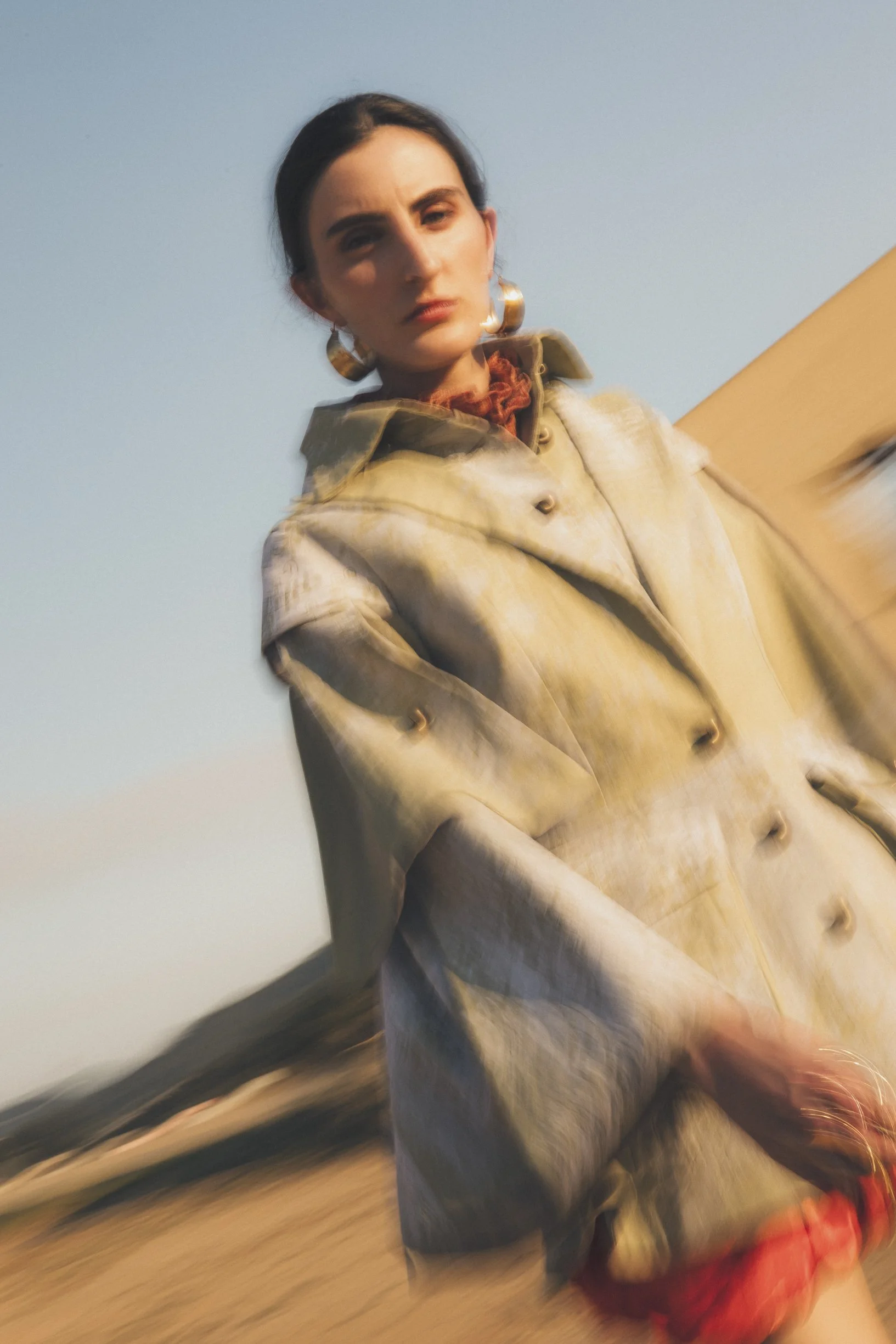
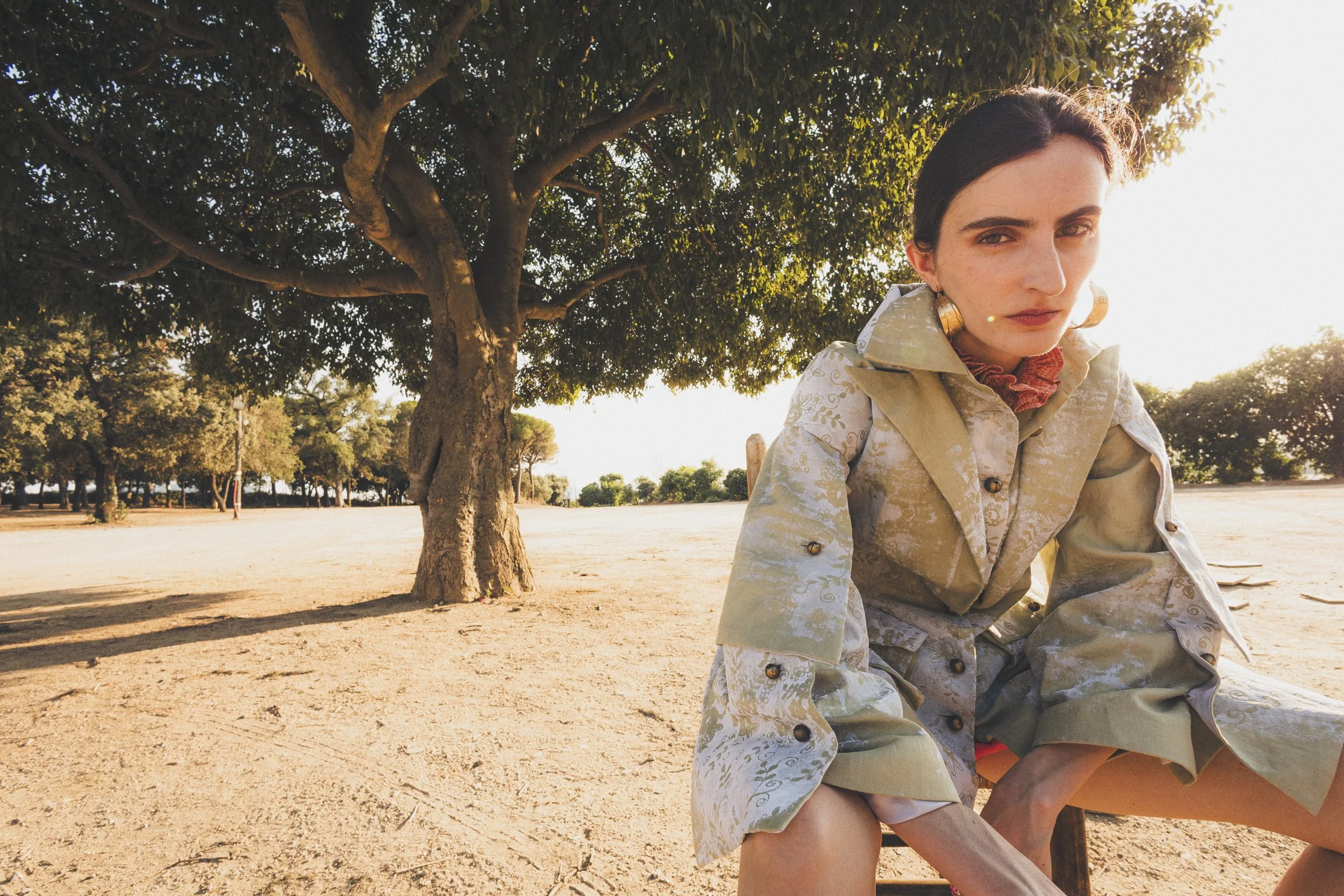
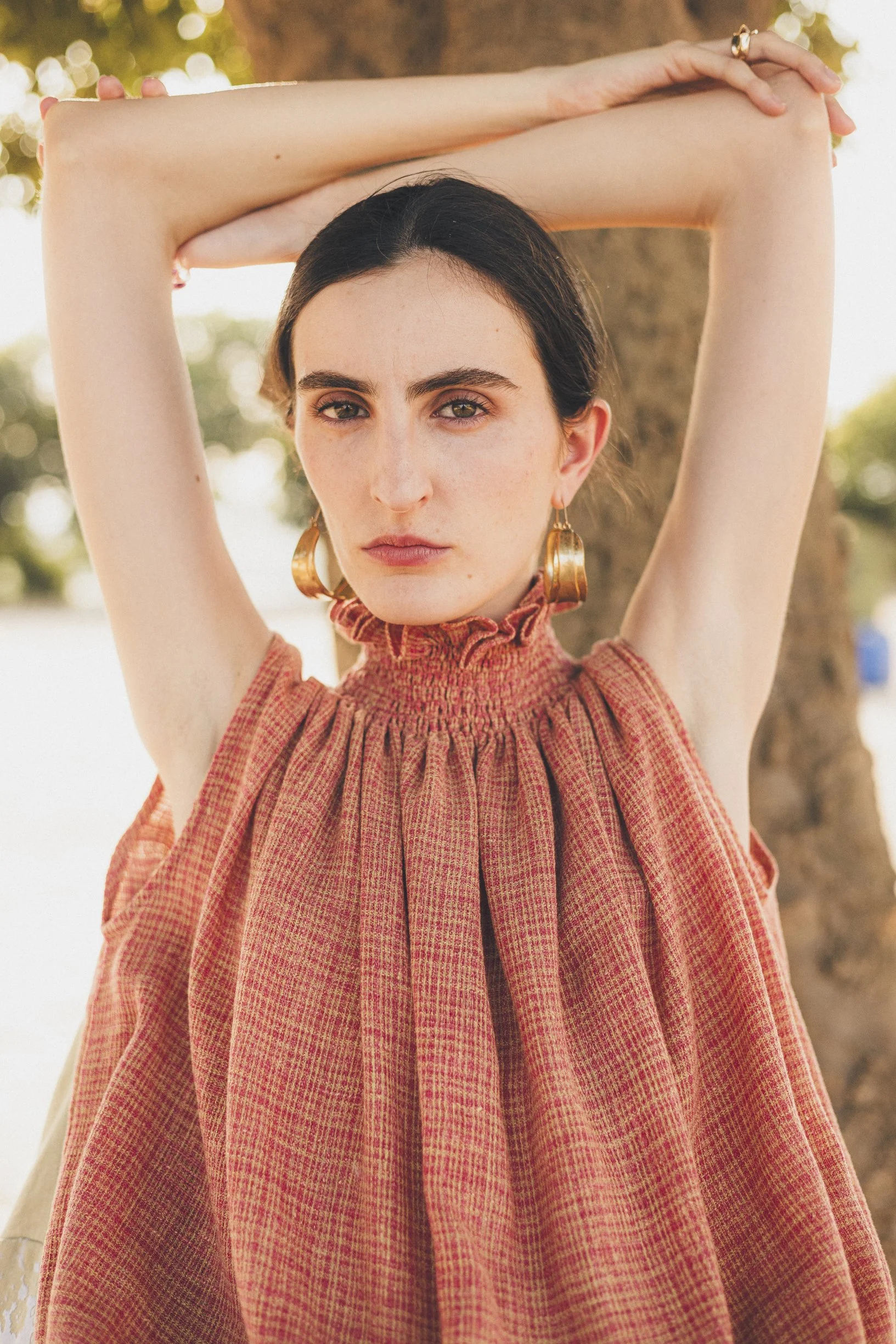
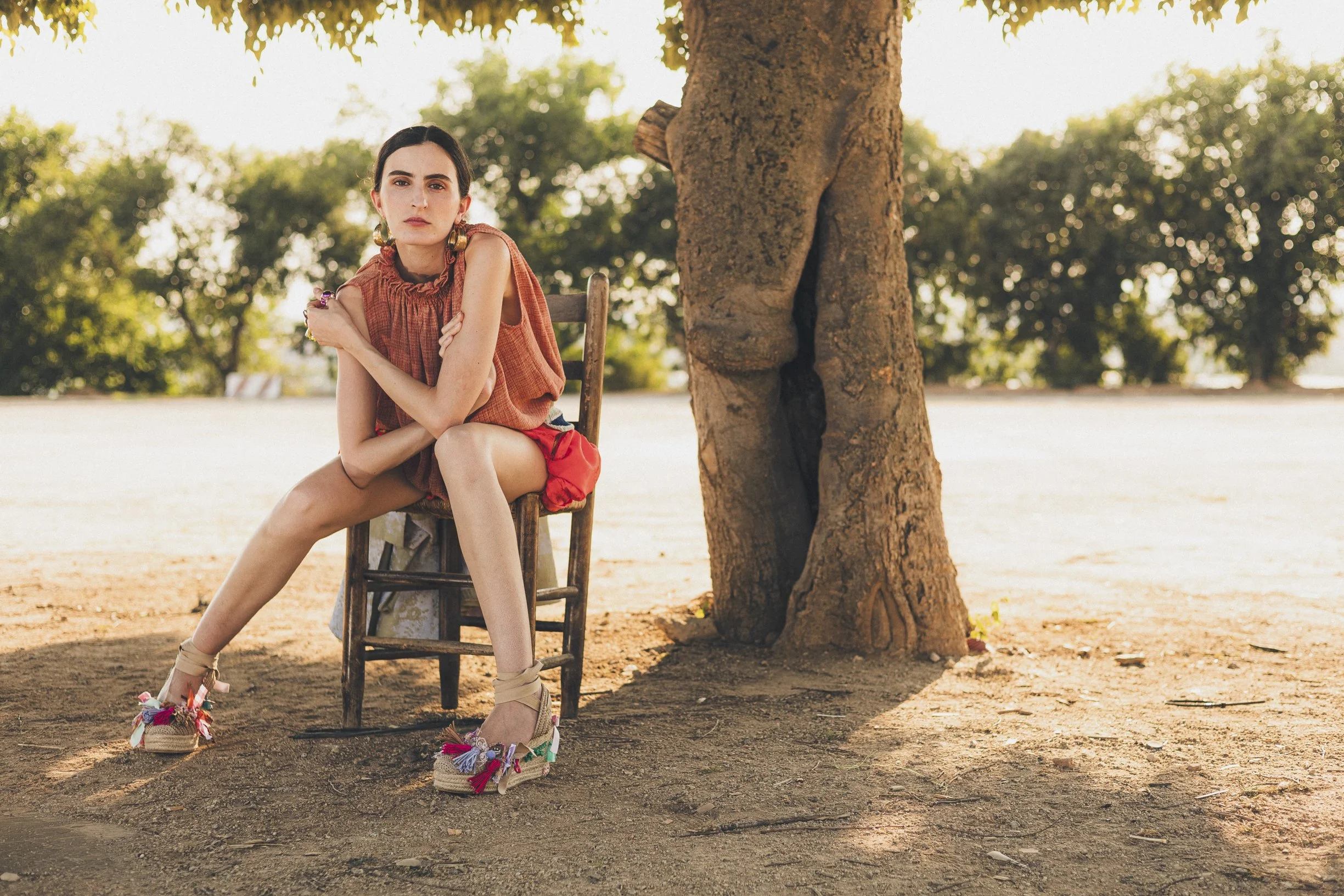
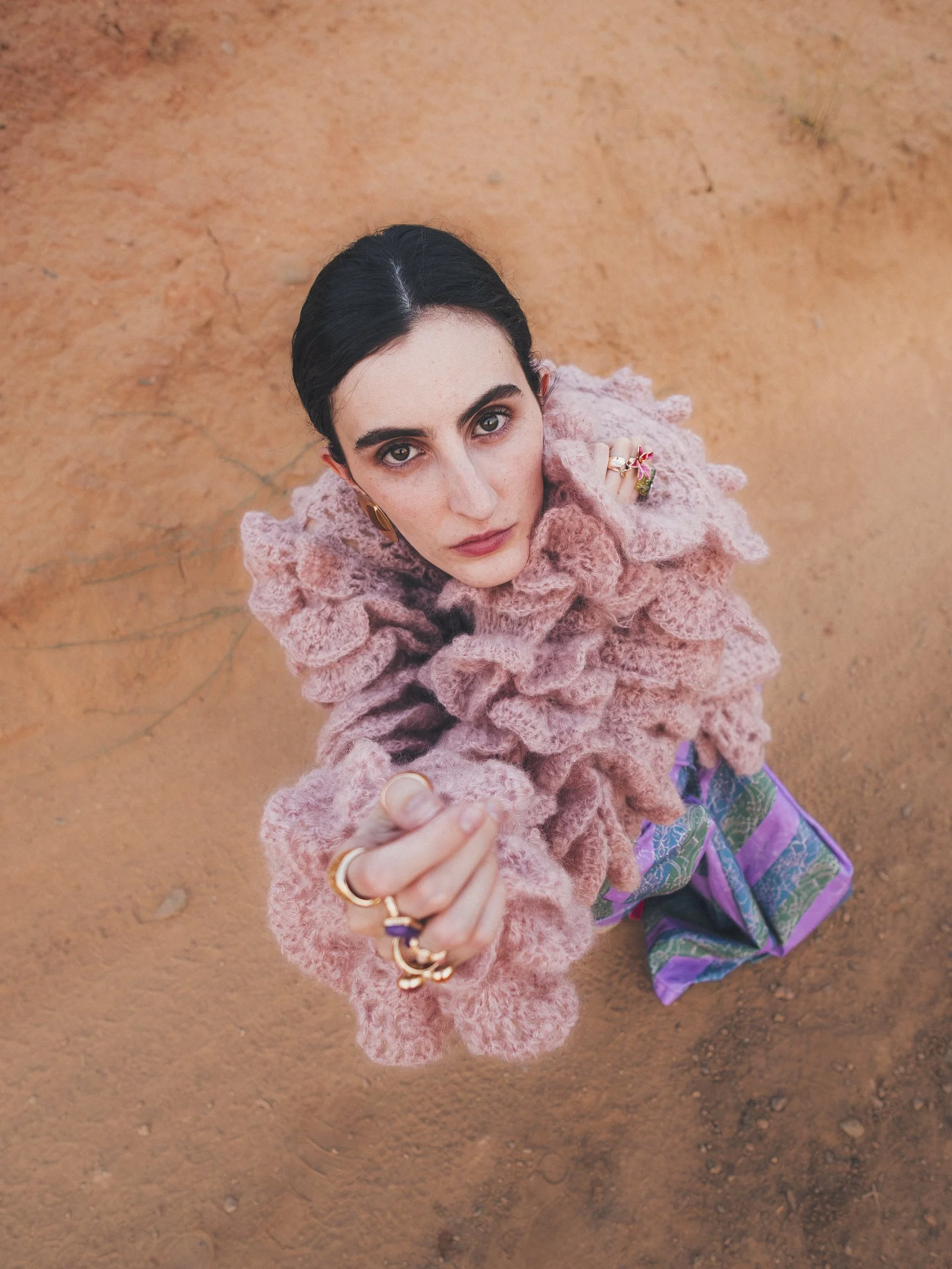
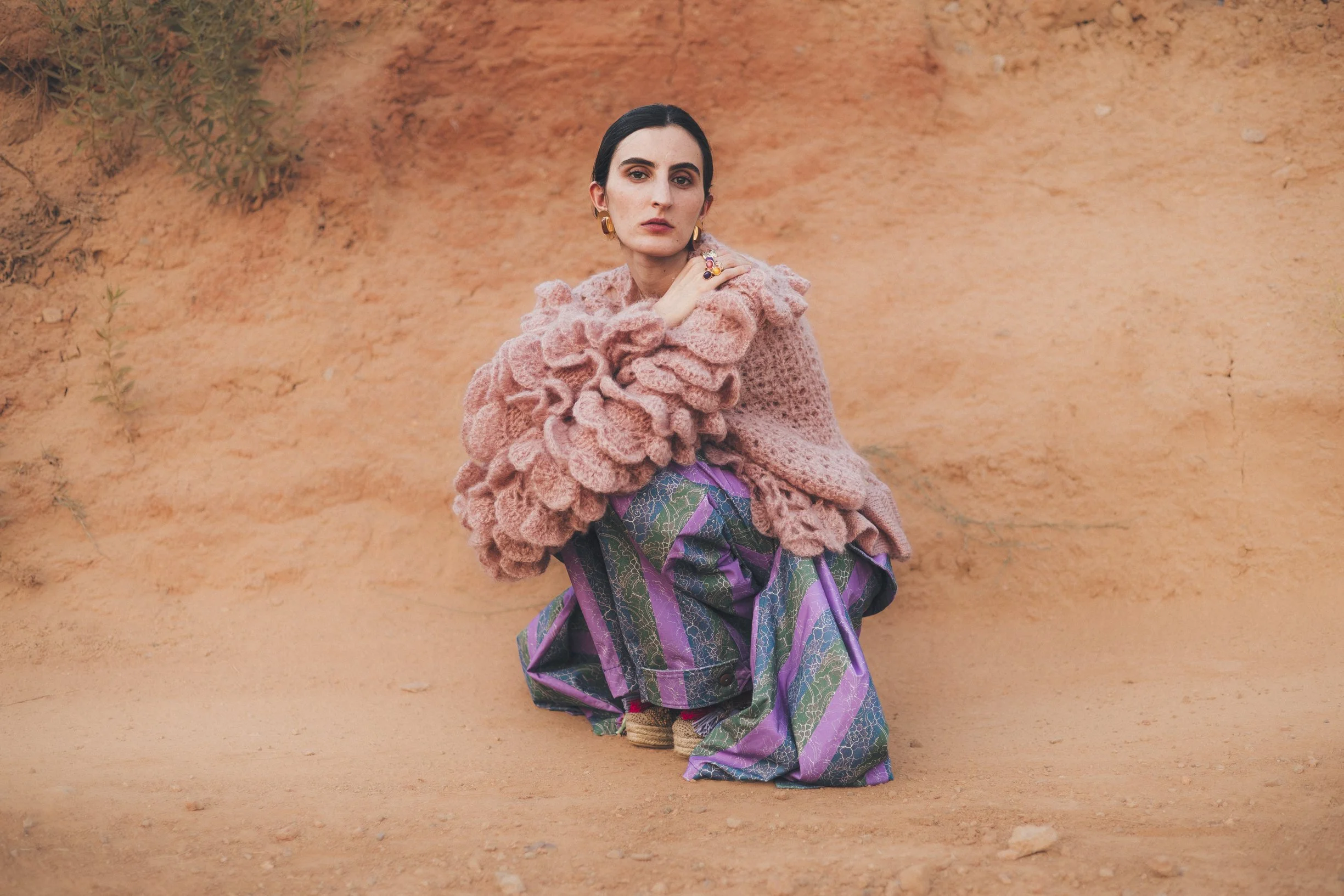
Traditional references appear through cotí, linen and lace, materials associated with Ibizan dress, but their treatment is distinctly contemporary. Historical silhouettes are reconsidered rather than reproduced, while embellishment, crystal embroidery, layering and refined finishes move the garments away from costume and into a more ambiguous present.
Across the editorial, Maragall develops three interpretations of the modern payesa. Worn by Aina Recolons, she is neither romanticised nor turned into a folkloric symbol. Instead, there is a seriousness to the way she occupies the images. Her posture is controlled, contemplative and occasionally severe, as though the clothes carry both the memory of what has survived and an uncertainty about what comes next. That feeling extends into the landscape photographed by Jano Caamaño Riveiro.
Rather than searching for postcard Ibiza, the team chose a location marked by absence: an isolated facade without the house that once completed it, exposed red earth and a largely empty horizon. Within Maragall's visual narrative, the landscape becomes a metaphor for an island being gradually altered around the culture that formed it.
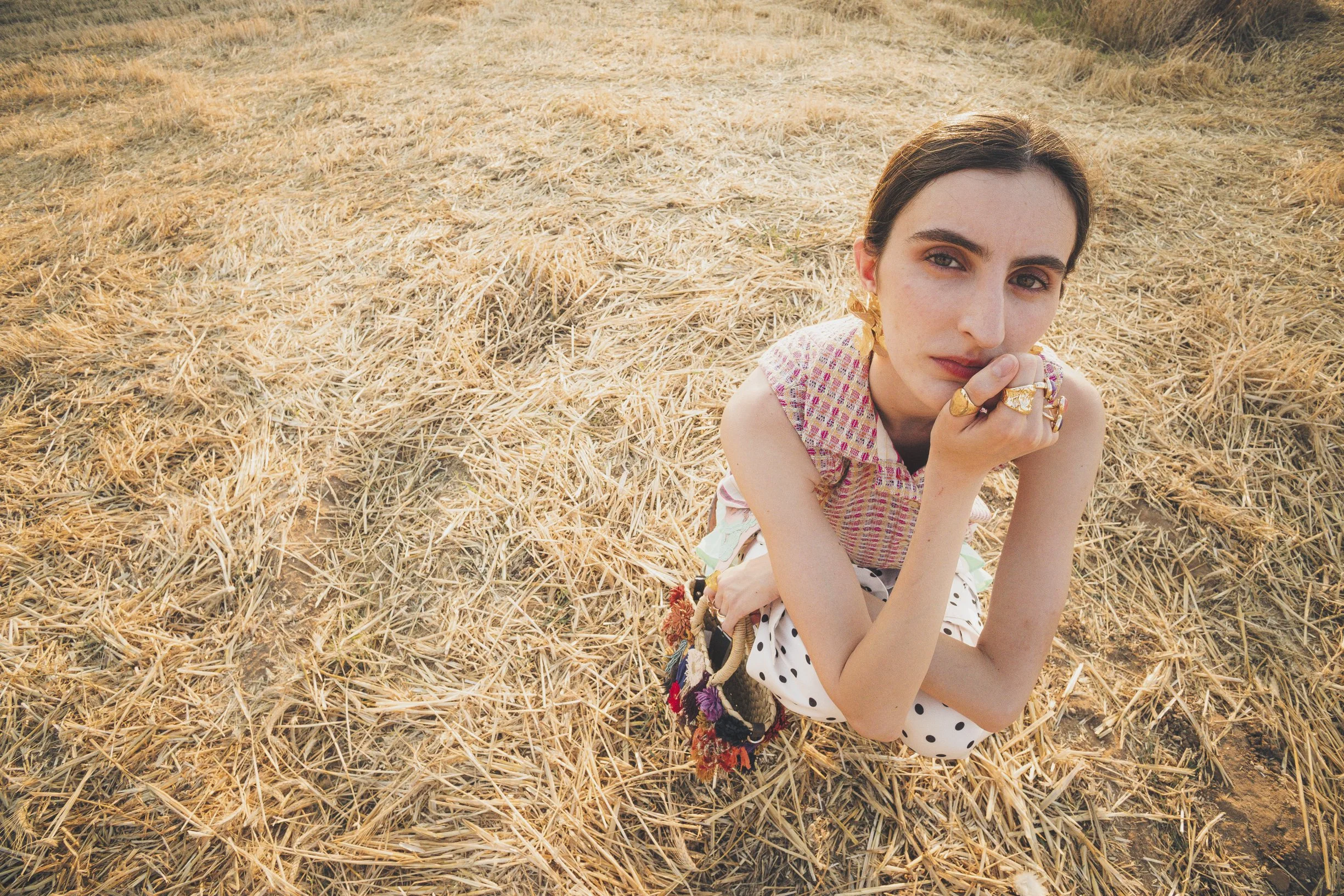
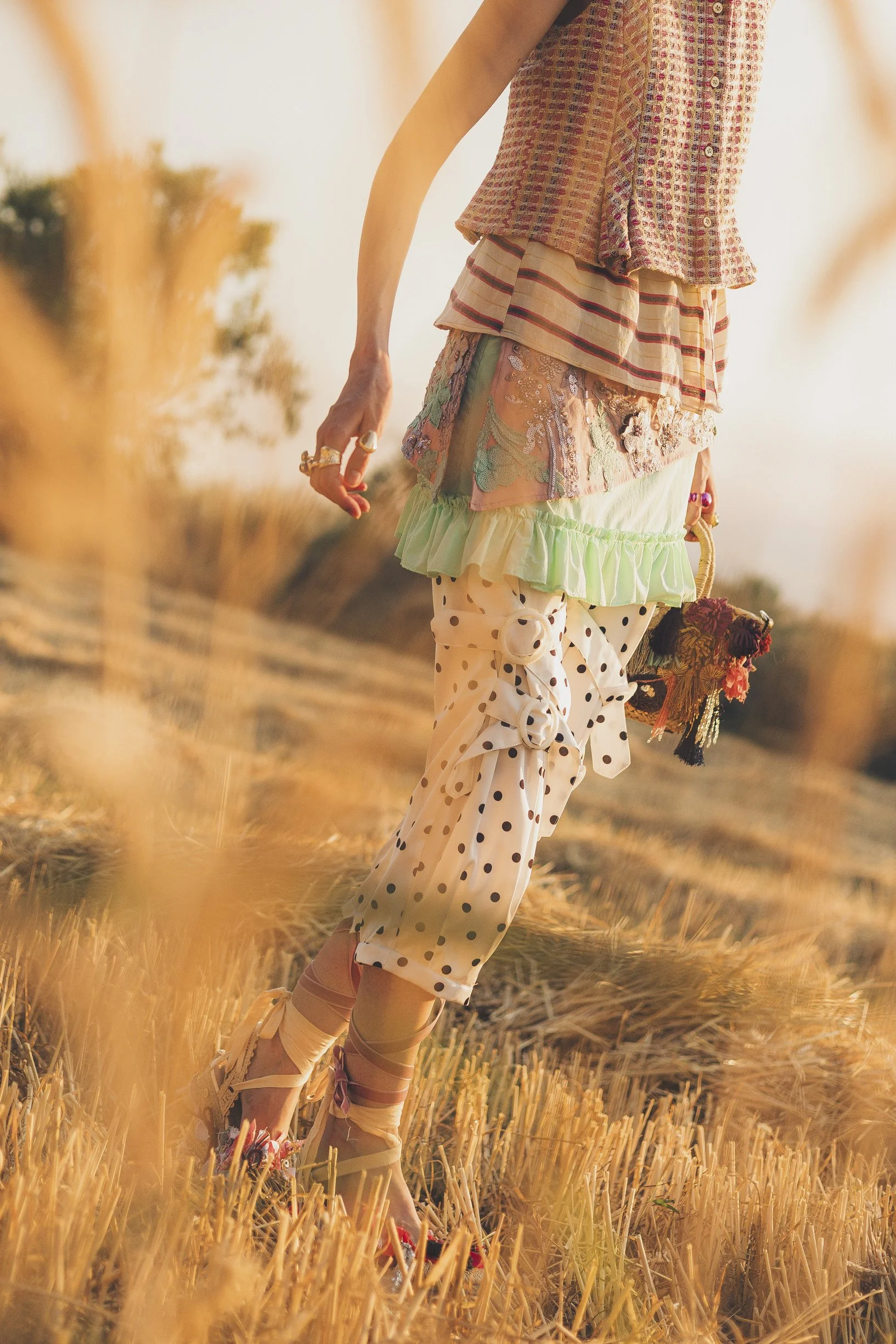
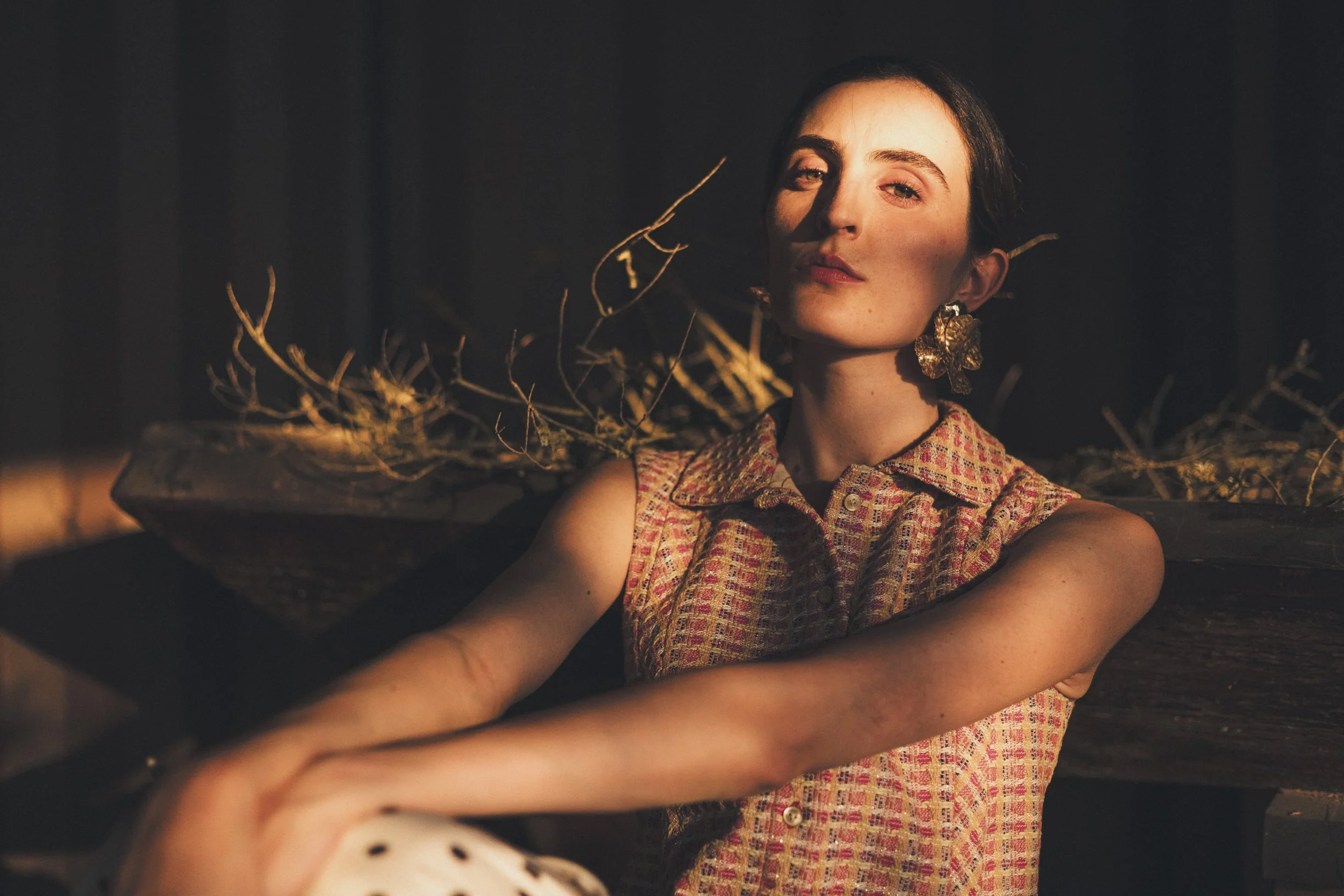
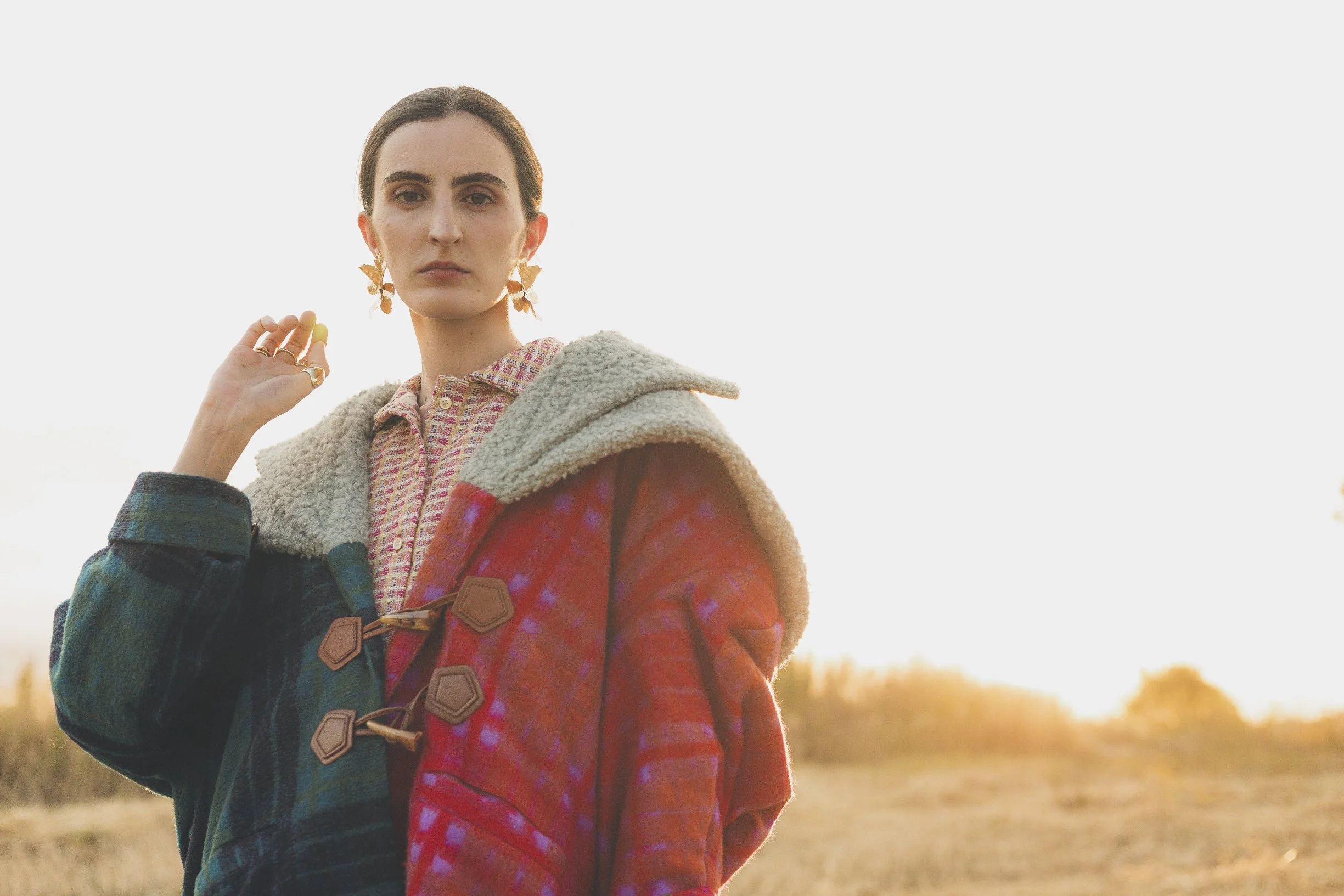
Sunset brings another register. The warm light appears almost hopeful against the severity of the terrain, suggesting that preservation does not have to mean retreating into the past. Tradition can survive by being reconsidered, worn differently and allowed to exist within the present. That idea became unexpectedly literal during the shoot.
Working through an intense heatwave, with Recolons dressed in heavy knitwear and layered garments, the team had only a brief golden-hour window to complete each look. By the time they reached the final outfit, the natural light had disappeared completely. Instead of abandoning the image, they turned to car headlights, flash and improvised artificial lighting.
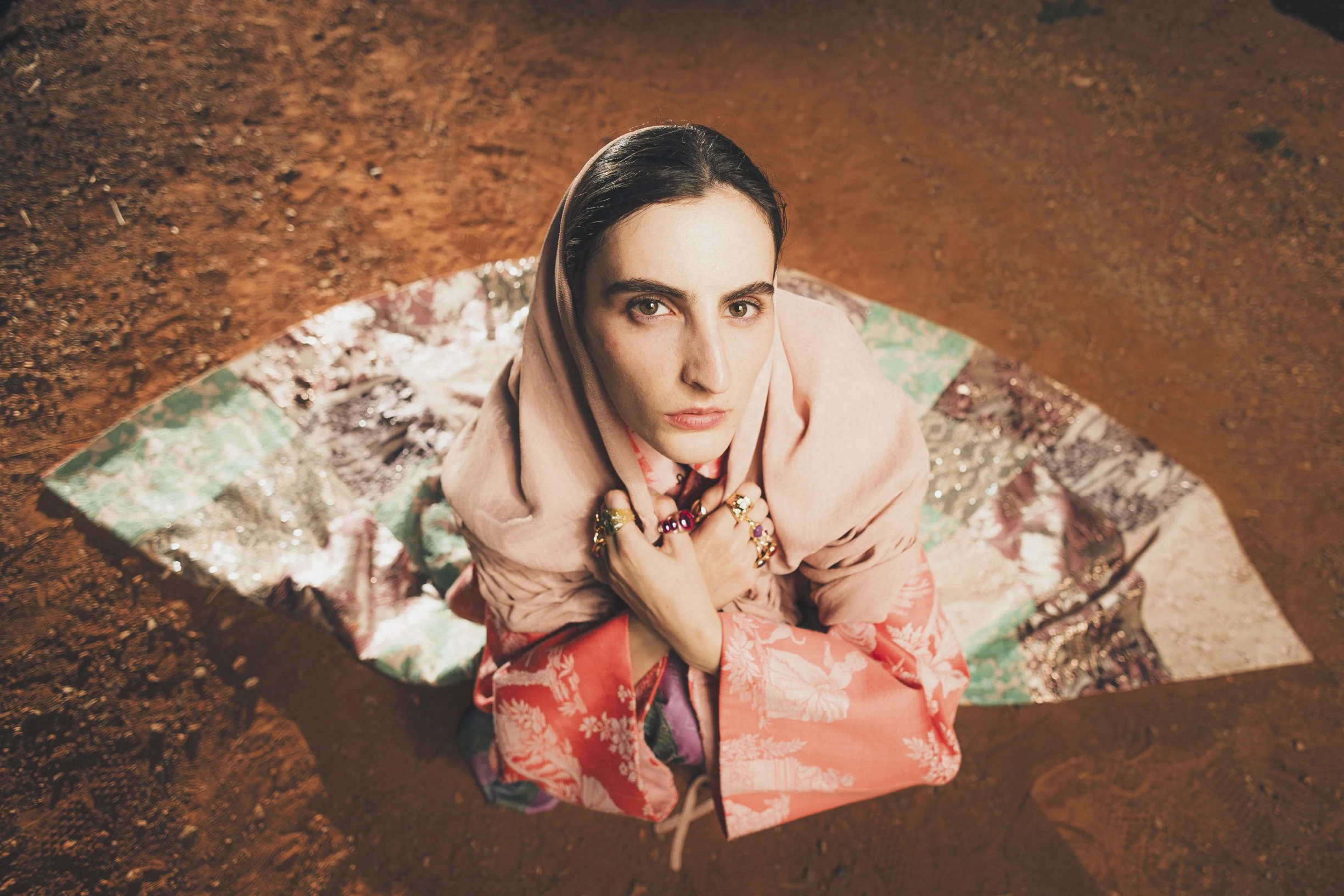
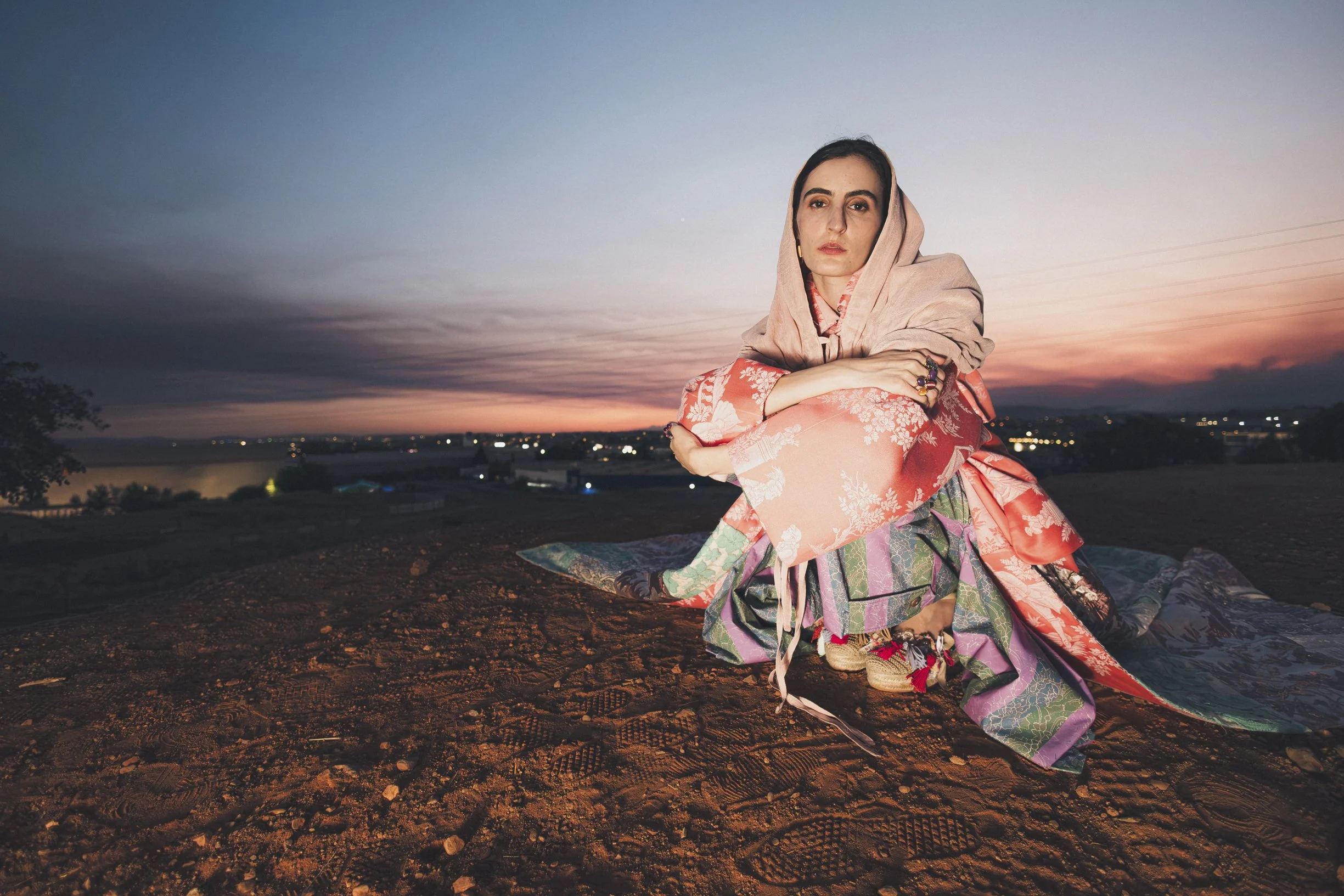
The photographs that emerged became some of Maragall's favourites. It is a fitting conclusion for Al·lotes. Something disappears, the conditions change, and another language has to be found. As Maragall's first collection, and her debut working simultaneously as fashion designer, stylist and art director, Al·lotes establishes more than an aesthetic. It proposes a way of working in which fashion becomes a vehicle for examining culture, memory and place. Here, Ibiza is no longer scenery. It is the subject.
Creative Direction & Styling: Anna Maragall
Talent: Aina Recolons
Photographer: Jano Caamaño Riveiro
All Garments & Shoes: Anna Maragall
Earrings & Handbags: Parfois
Explore more fashion editorials and editorial photography on HUMBLE.