Beauty With Edges: When Ornament Refuses to Stay Decorative
In Simon Rogghe’s latest fashion story, motion blur, sculptural silhouettes and exposed details transform beauty into something less passive: a space suspended between softness, control, protection and threat.
This story begins at the point where beauty stops behaving politely.
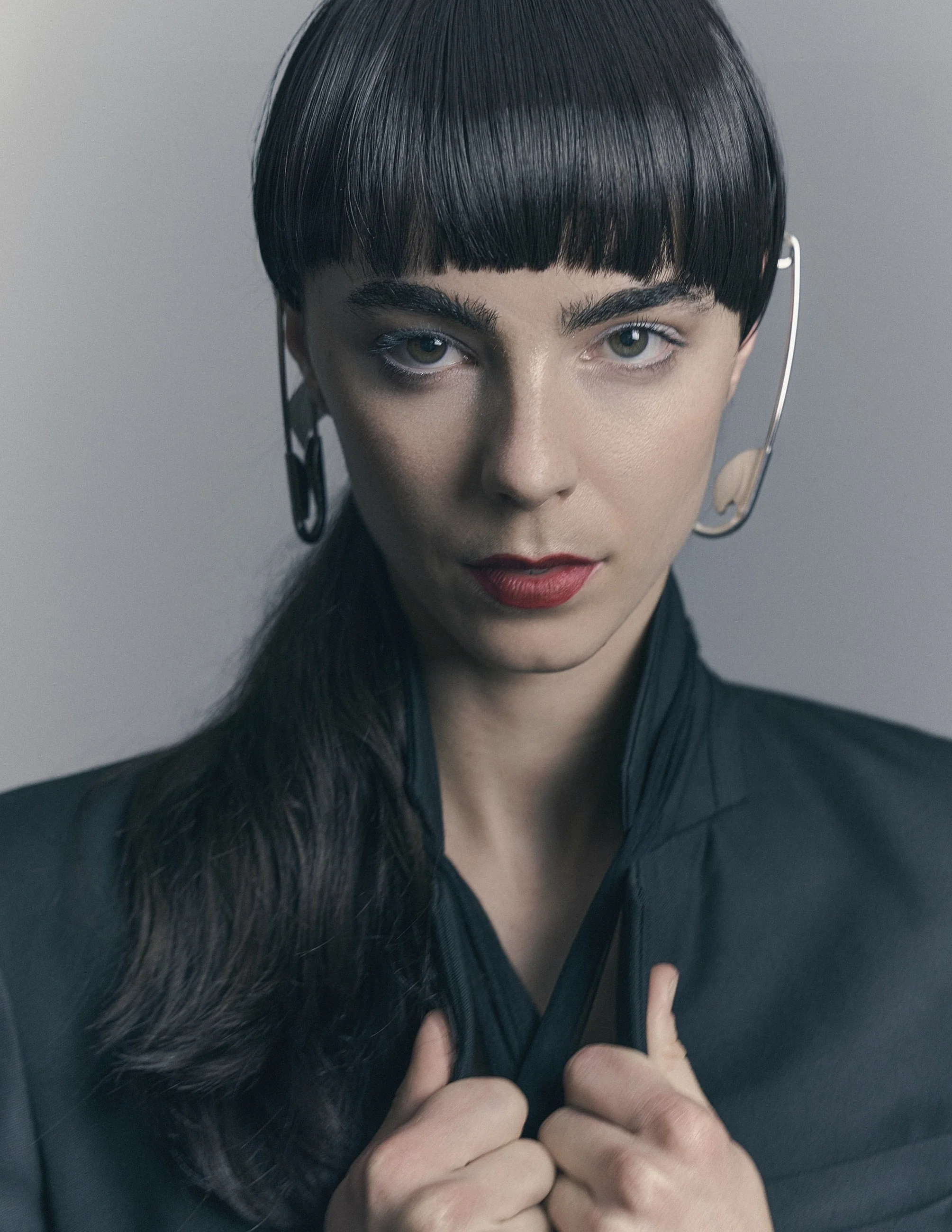
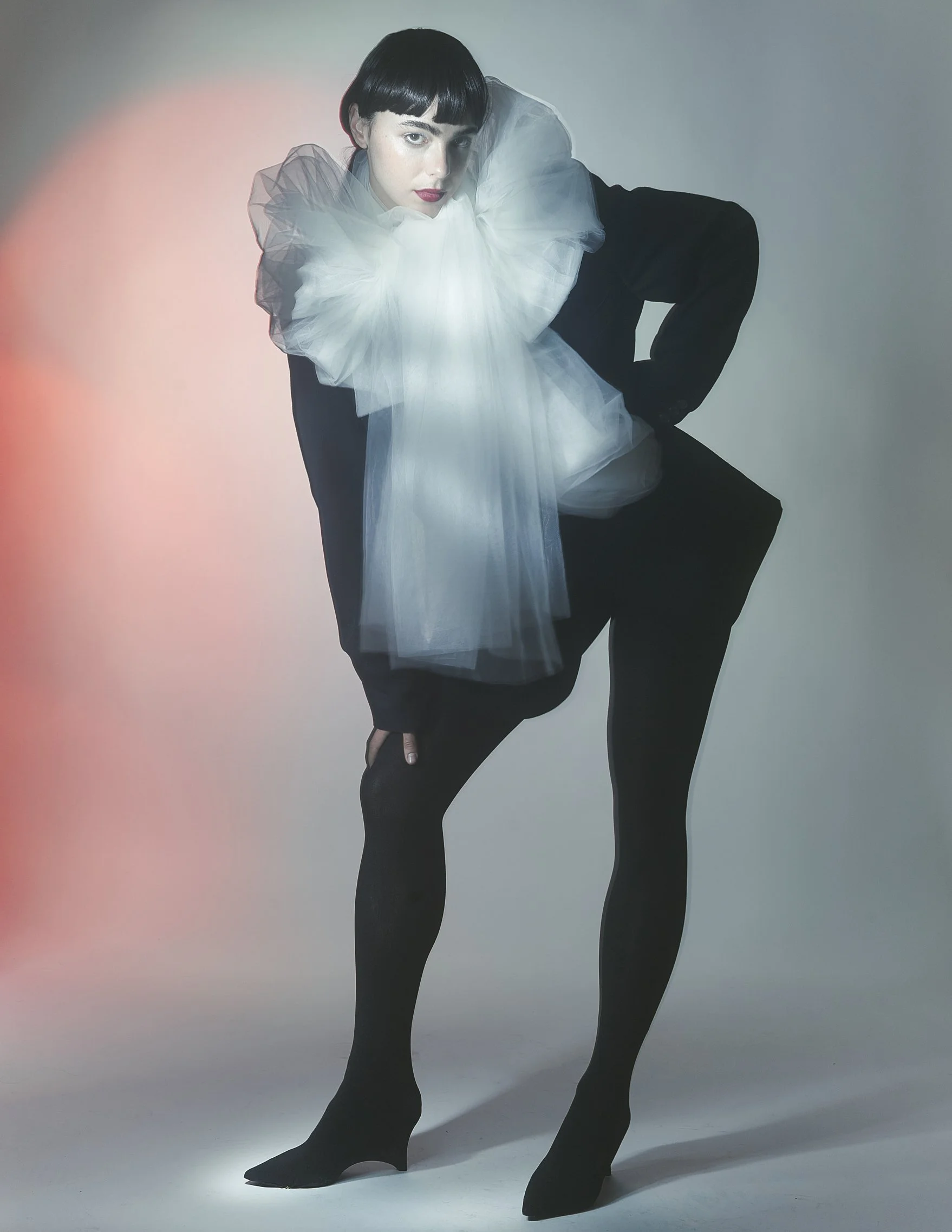
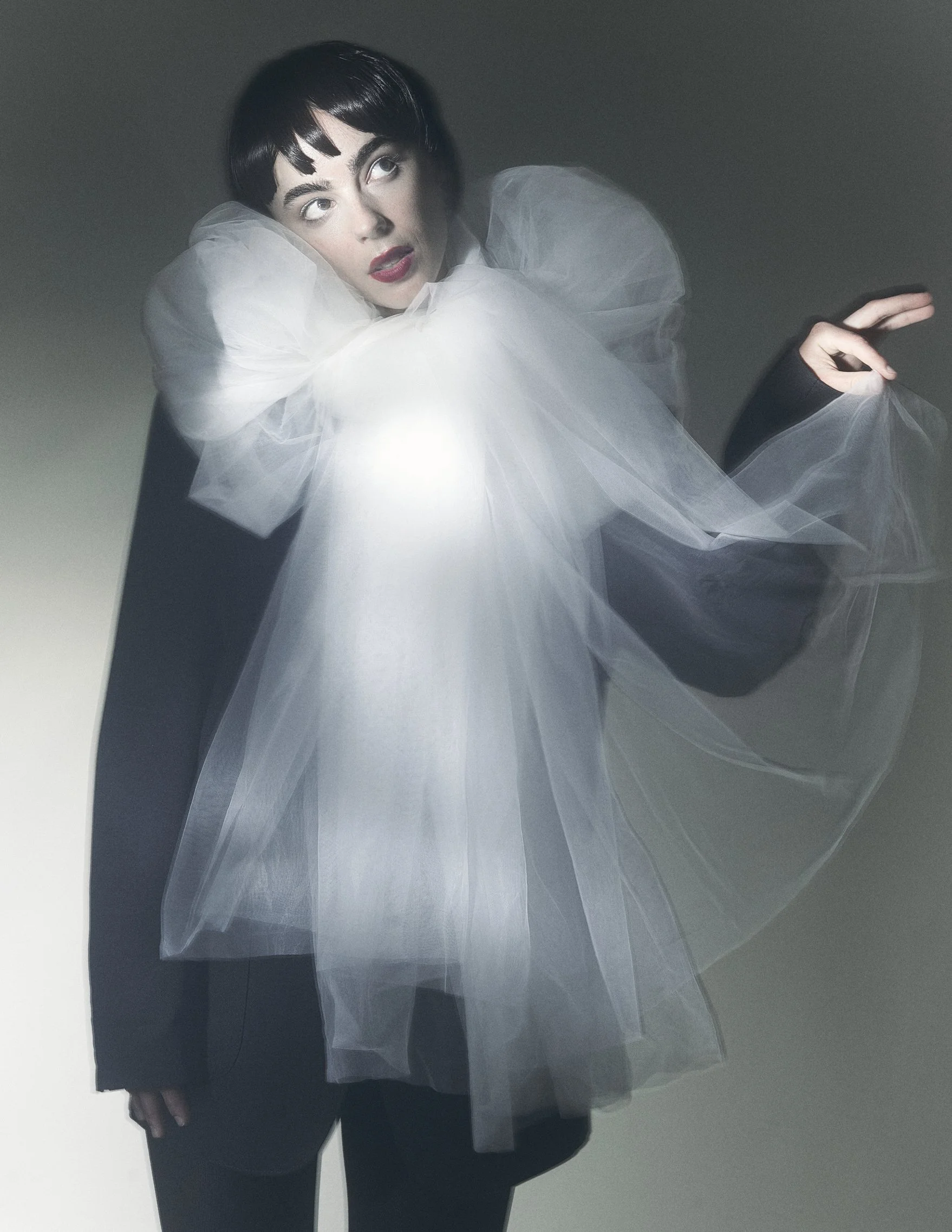
Photographer Simon Rogghe builds the series around a tension between precision and instability, allowing the image to soften without ever completely surrendering its form. Garments remain readable, expressions remain present, yet everything appears to exist inside a shifting atmosphere, as though the scene has been caught somewhere between arriving and disappearing.
It is fashion photography that resists the certainty of the perfectly frozen image. Instead, Rogghe allows movement, haze and long exposure to complicate what we are looking at.
Between clarity and disappearance
Rogghe’s photographic approach develops that contradiction further.
The challenge was not simply to create blur, but to control exactly how much information an image could lose before fashion itself disappeared. Garment edges are permitted to dissolve while silhouettes remain intact. Expressions soften, but do not collapse into abstraction.
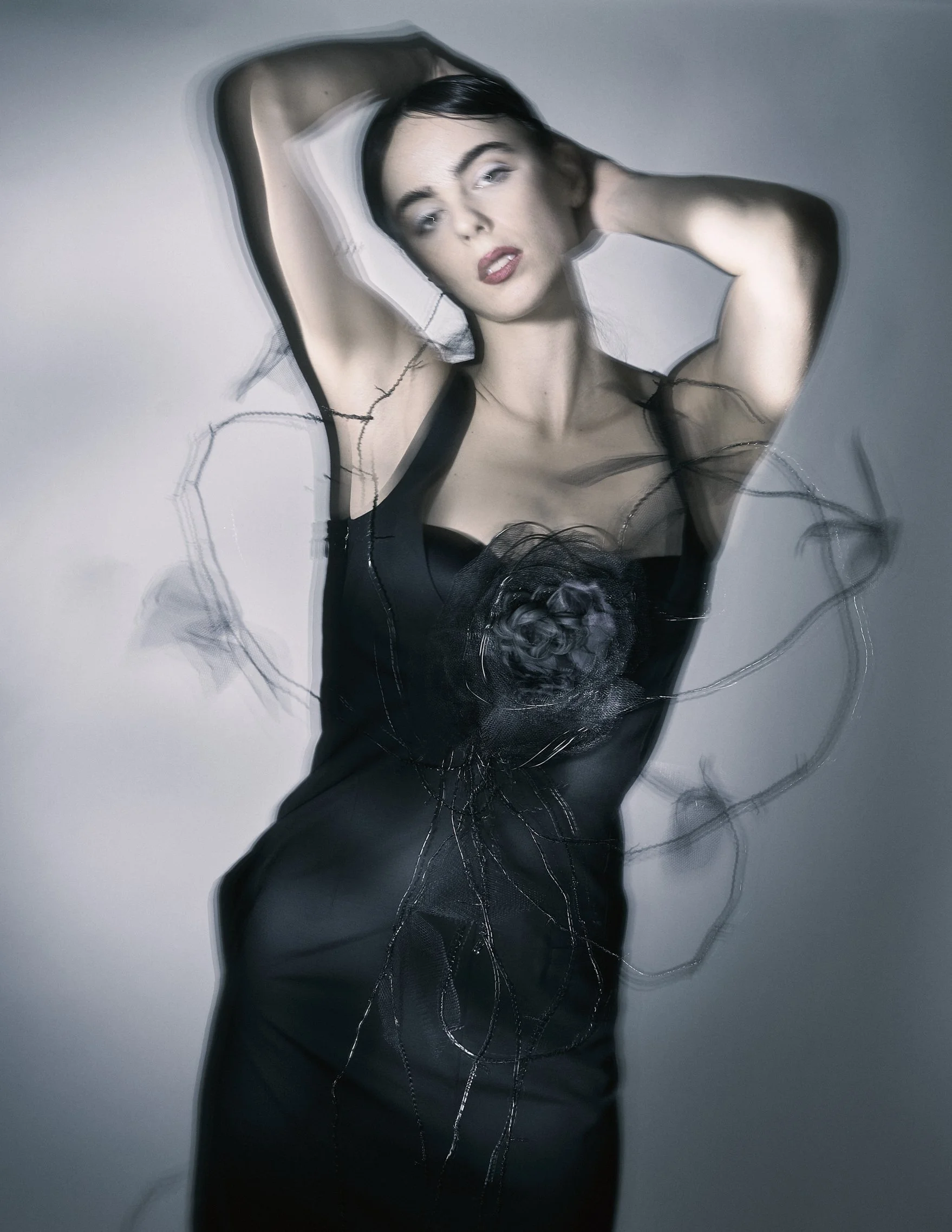
Long shutter speeds and light painting introduce an element of physical unpredictability. The movement of the camera and the speed of a handheld light source cannot be reduced entirely to formula. Technique becomes instinctive, almost muscular. That uncertainty gives the photographs their particular energy.
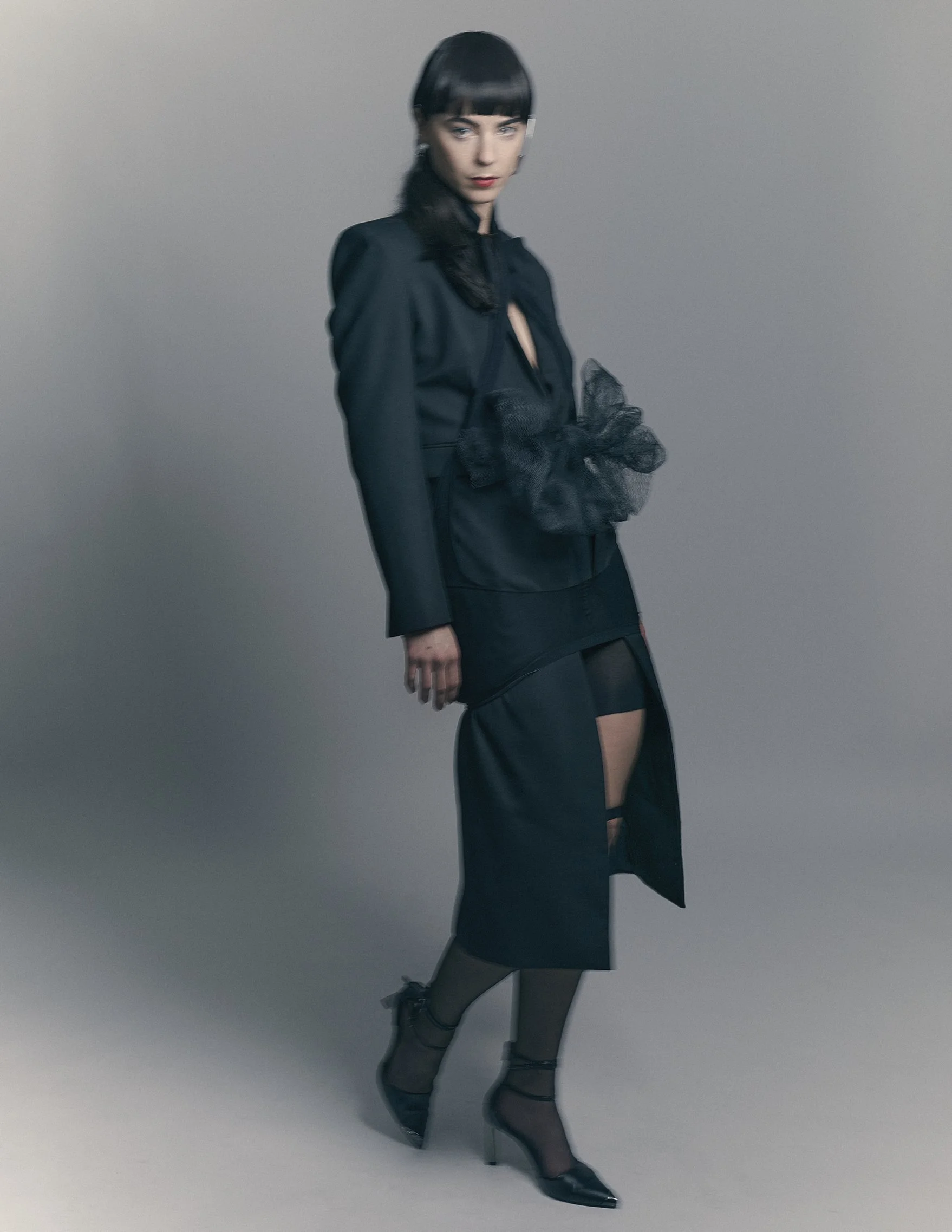
Rather than appearing like an effect added afterwards, the haze seems embedded within the scene. At moments, it feels almost bodily, closer to breath than fog. Barbara Hlavatá appears not simply surrounded by atmosphere, but caught in an exchange with it.
The space presses back.
Ornament becomes anatomy
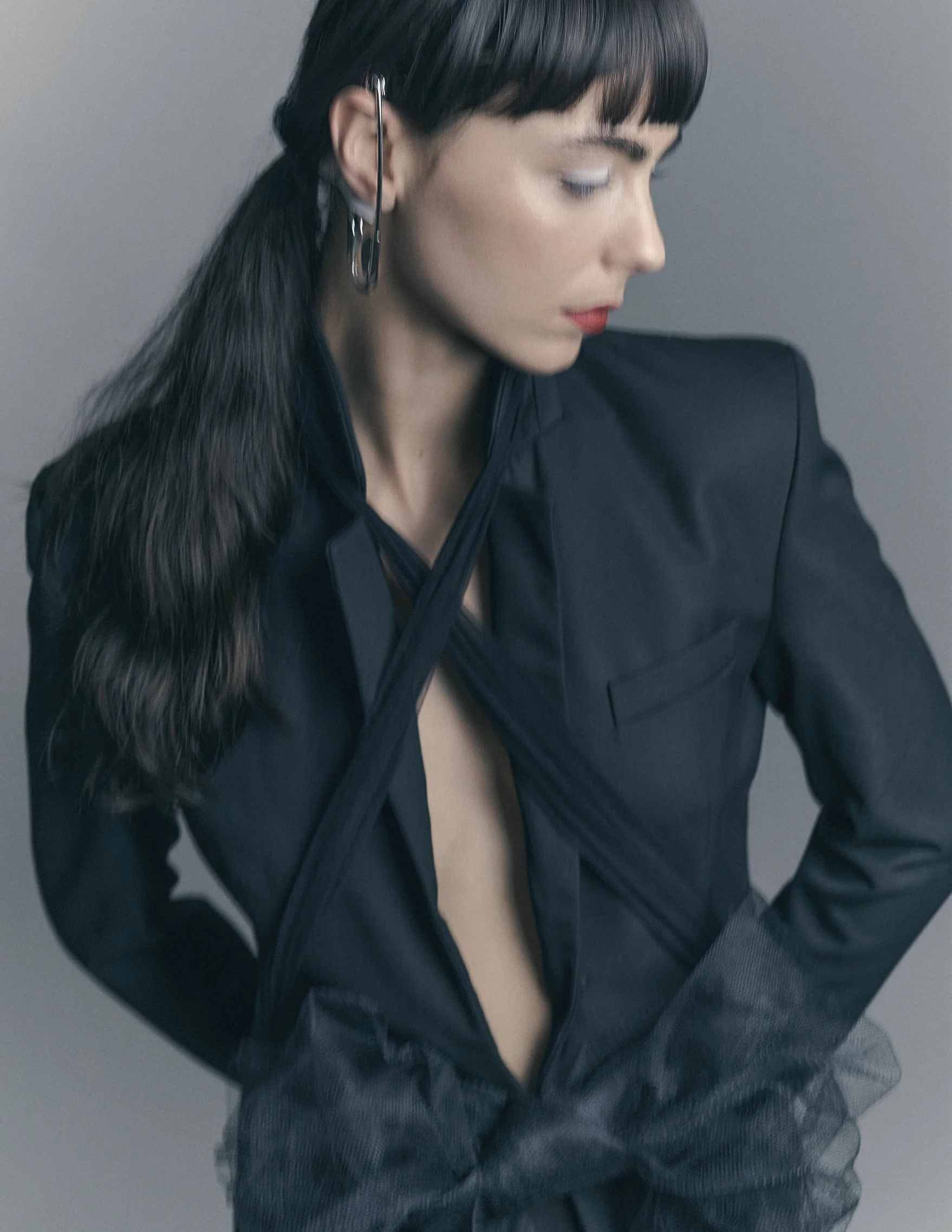
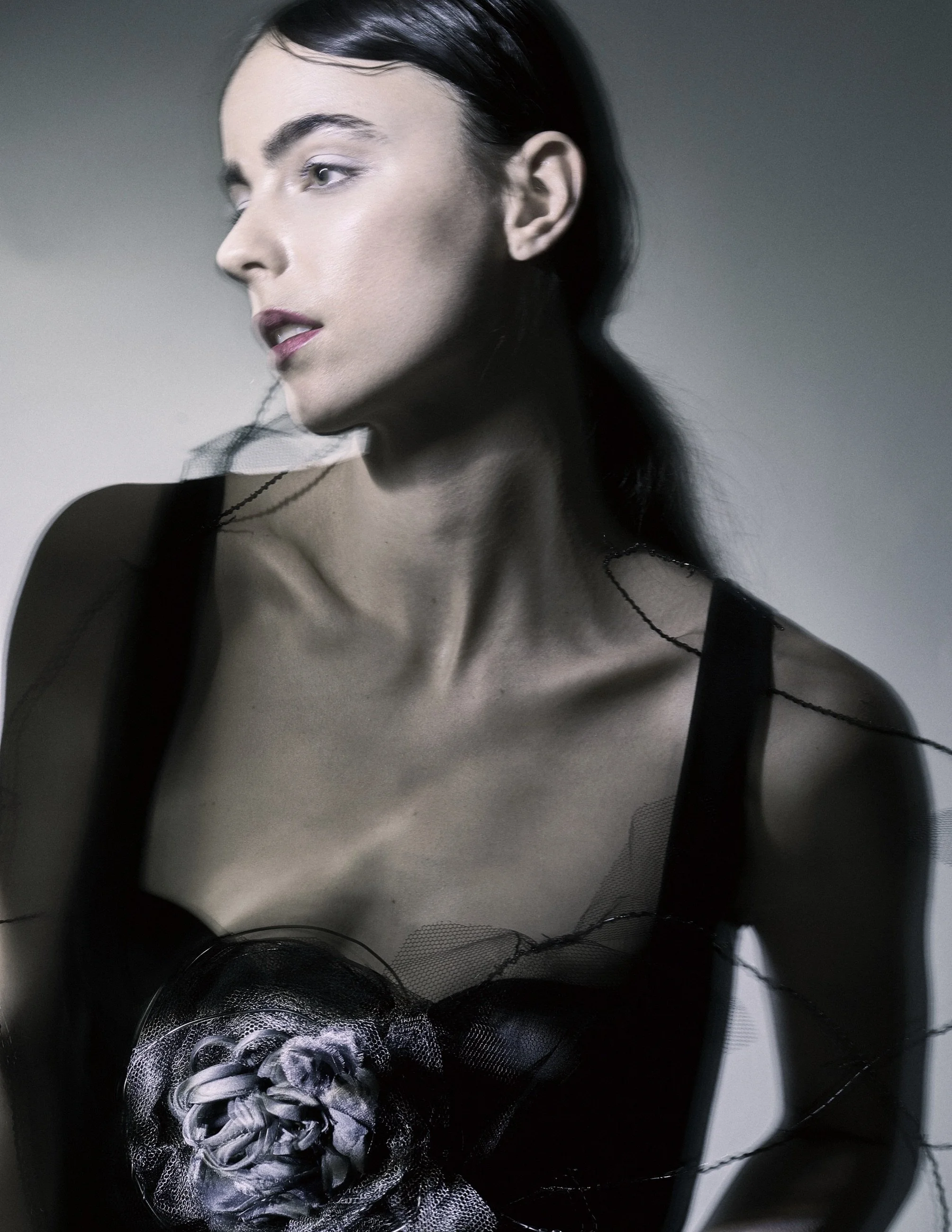
At the centre of the story is a simple proposition: beauty with edges, or what happens when ornament refuses to be only ornament. That idea becomes particularly visible through the styling of Margarita Gyulumyan. A metal-wired rose, for example, carries none of the comfortable romance usually attached to floral imagery. Its exposed structure recalls nerves and tangled arteries. What initially appears decorative begins to feel anatomical.
Flowers are no longer accessories placed beside the body. They seem to extend from it. Across the styling, softness repeatedly encounters resistance. Sculptural black forms sit beside fragile surfaces. Wires, safety pins and padded structures introduce a vocabulary closer to armour than embellishment. Sensuality is present, but restrained. Elegance remains, although it never feels entirely safe.
The result is a visual tension in which beauty can protect the body at the same moment that it threatens to pierce it.
Credits:
Photography: Simon Rogghe / @simonrogghe
Model: Barbara Hlavatá / @barbarahlavata
Agency: Models Office / @modelsoffice
Makeup & Hair: Karen Vermeiren / @_bykarenvermeiren
Styling: Margarita Gyulumyan / @margarita_gyulumyan_
Brands Used
Zara, Wolford, Calzedonia, STUDIOCULT, Stradivarius, Your Sixth Sense, Mango, Bruuns Bazaar, COS, Oroblu, & Other Stories