KidSuper’s Moonshot Fantasy Becomes a Living Fashion Fable
In an era where fashion campaigns are increasingly engineered for algorithms, virality, and immediate consumption, KidSuper continues to operate somewhere far more interesting: between imagination and spectacle. The Brooklyn label’s latest universe, The Boy Who Jumped The Moon, refuses the limits of a conventional collection rollout, transforming fashion into performance, painting into architecture, and storytelling into something deeply cinematic.
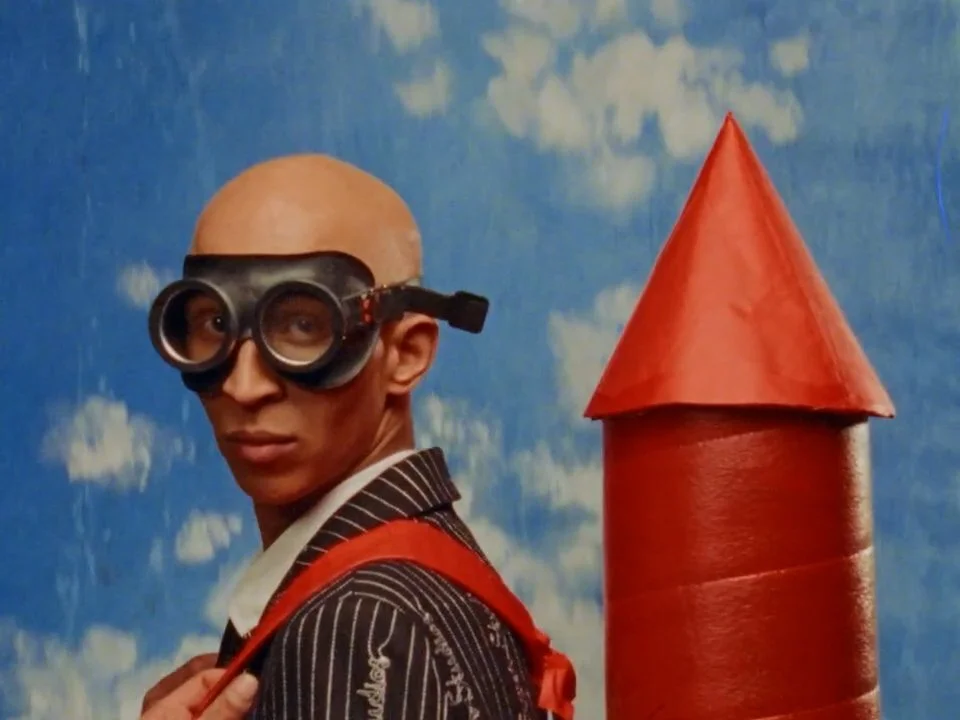
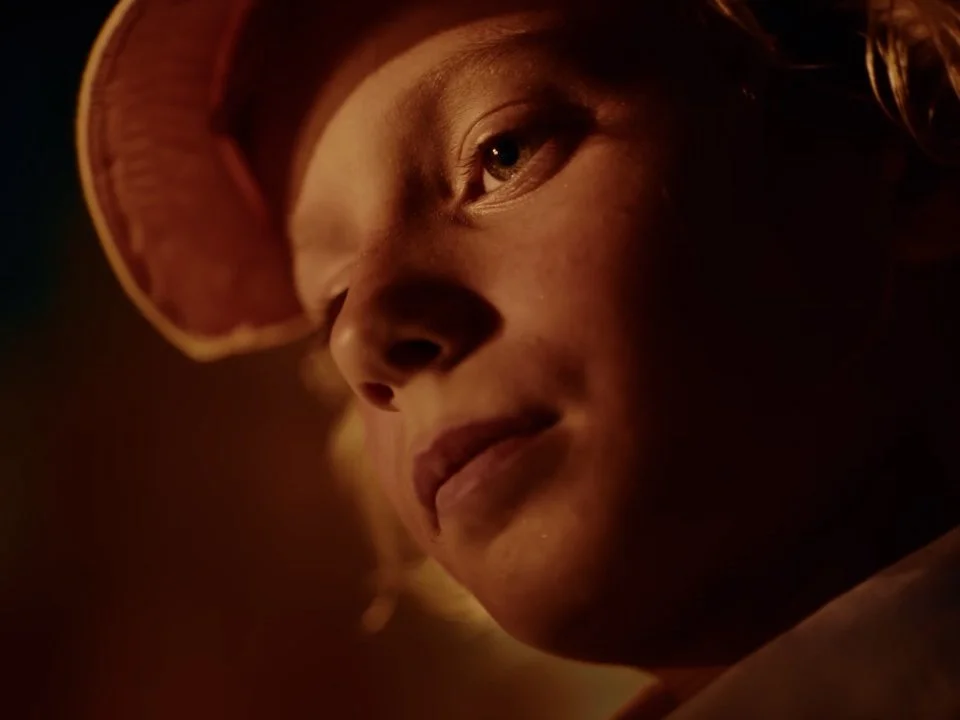
What began as a photoshoot evolved organically into a full visual narrative, resulting in the fashion film If He Could, Why Couldn’t They? directed by Segraphy, Joachim Spruijt, and Robin van Geemen.
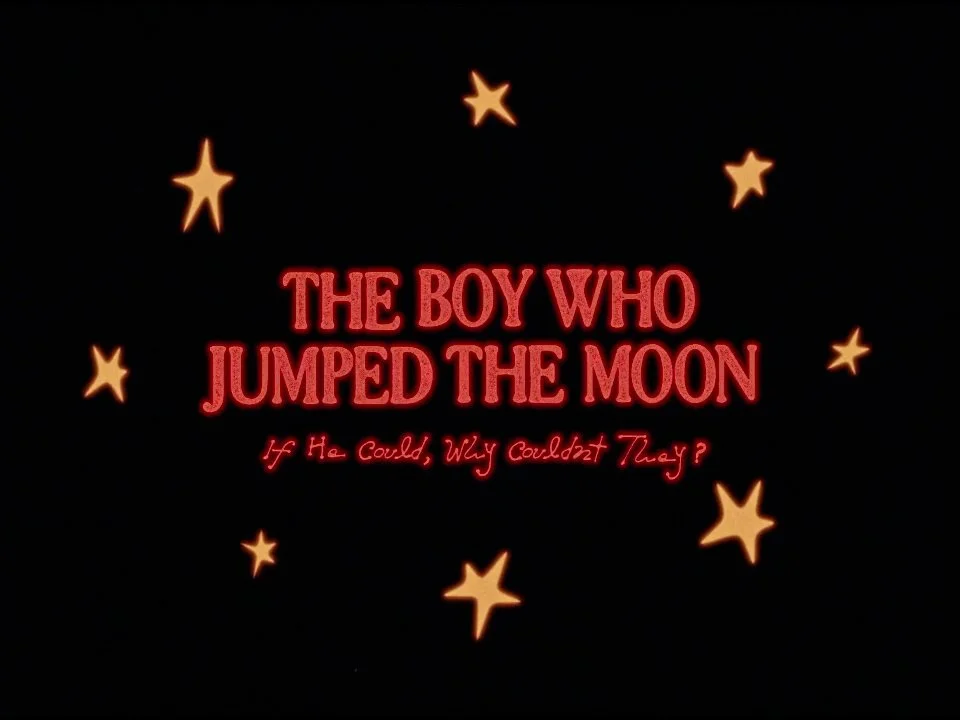
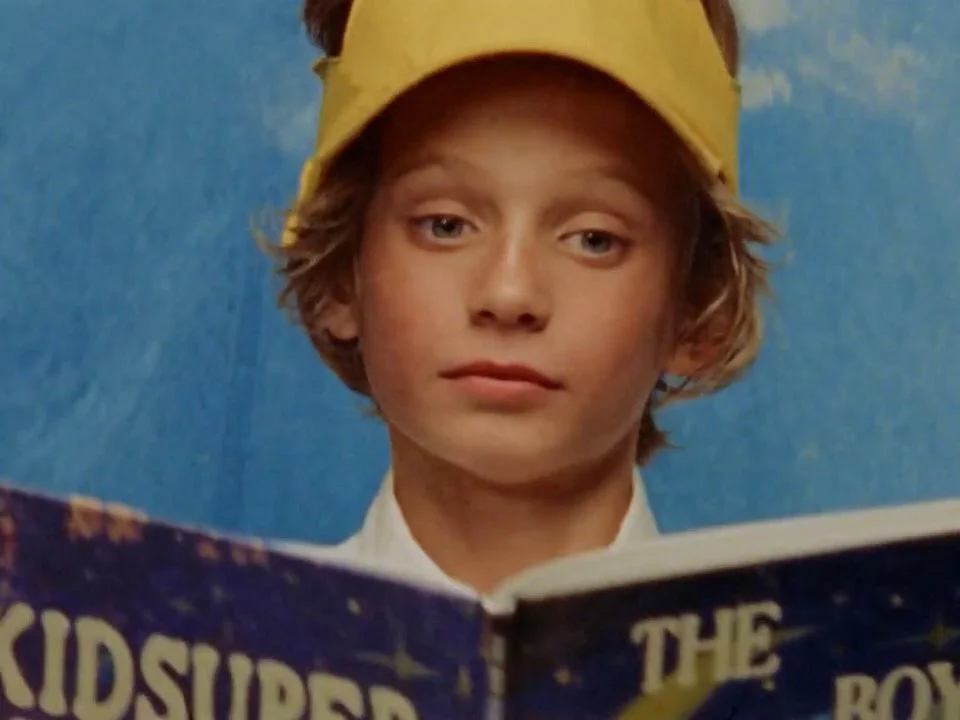
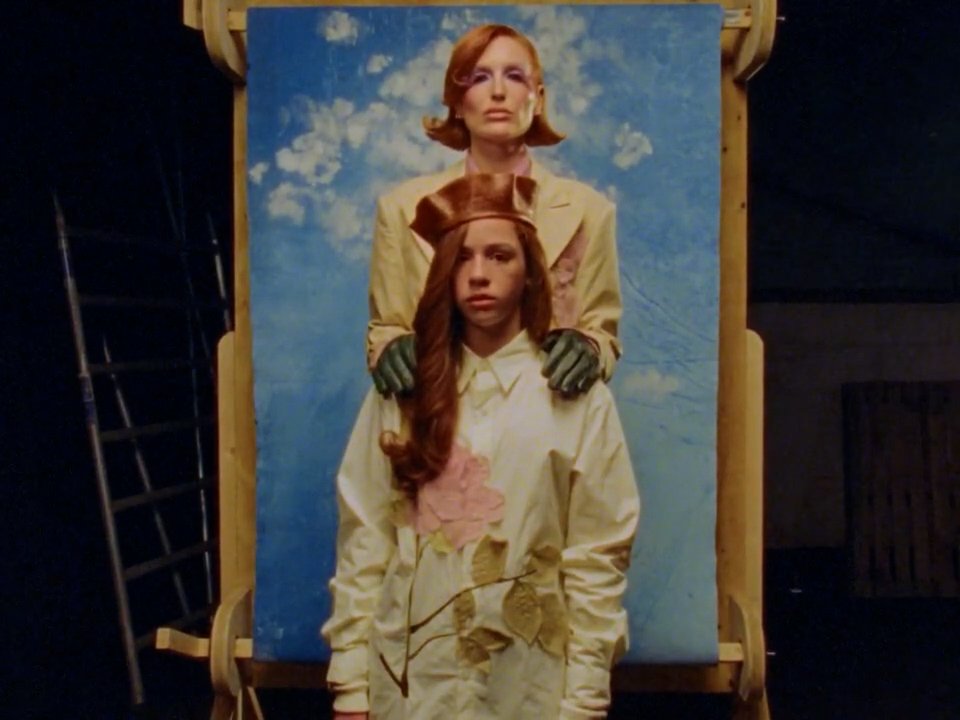
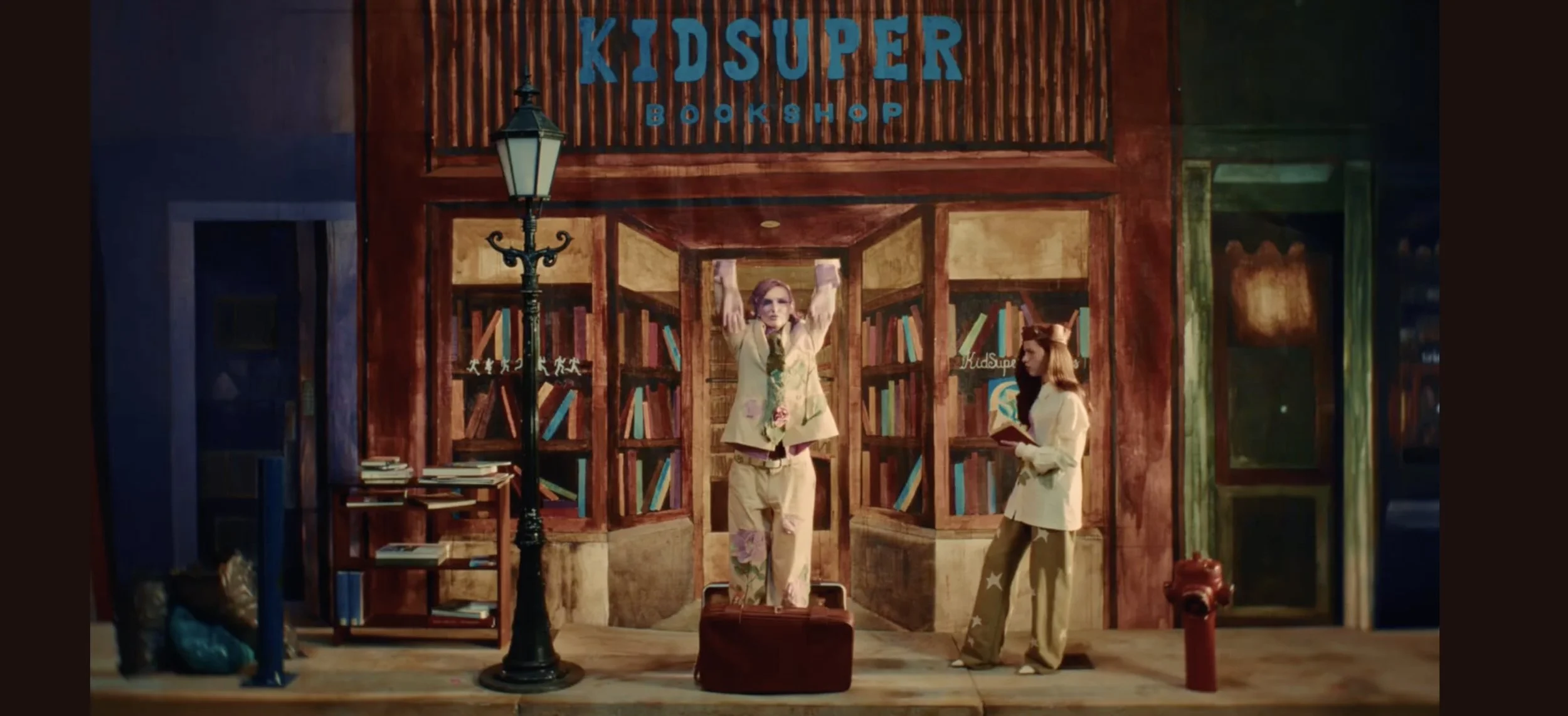
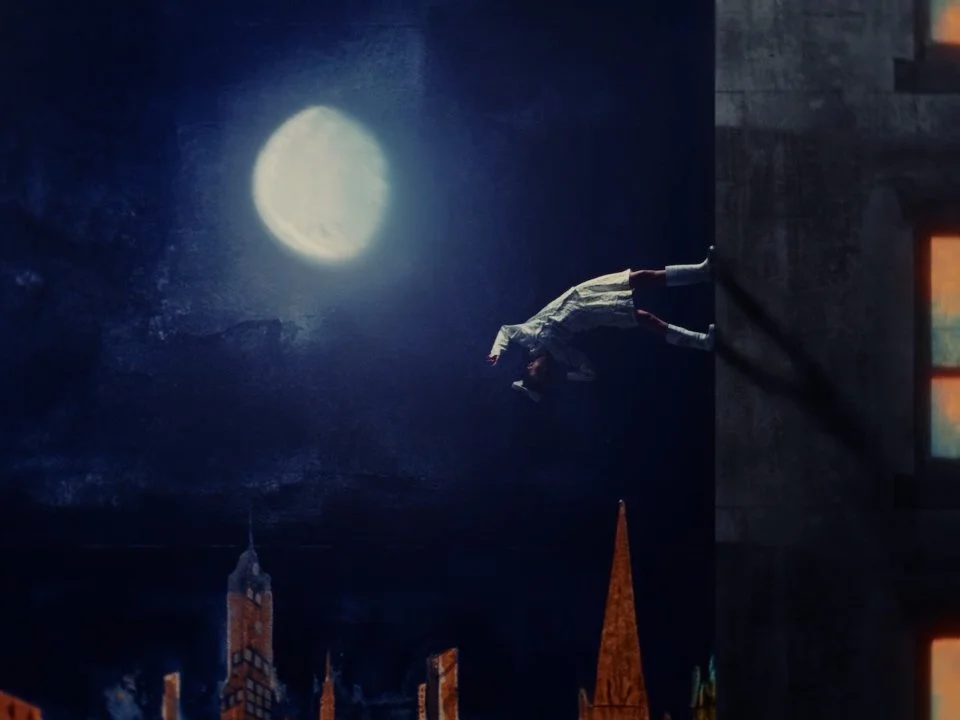
Created alongside KidSuper’s latest collection “The Boy Who Jumped The Moon”, “If He Could, Why Couldn’t They?” blurs the boundaries between fashion film, theatre, and visual art. Built around monumental hand-painted canvases and immersive storybook-inspired environments, the film explores the tension between childlike belief and adult pragmatism. Directed by Segraphy, Joachim Spruijt, and Robin van Geemen.
Where Fashion Stops and Theatre Begins
At the centre of the project sits an idea that feels increasingly rare in contemporary image culture: sincerity. Rather than leaning into irony or nostalgia, the film embraces the fragile optimism of childlike belief. It explores the quiet friction between imagination and adulthood, asking what disappears when we stop allowing ourselves to dream irrationally.
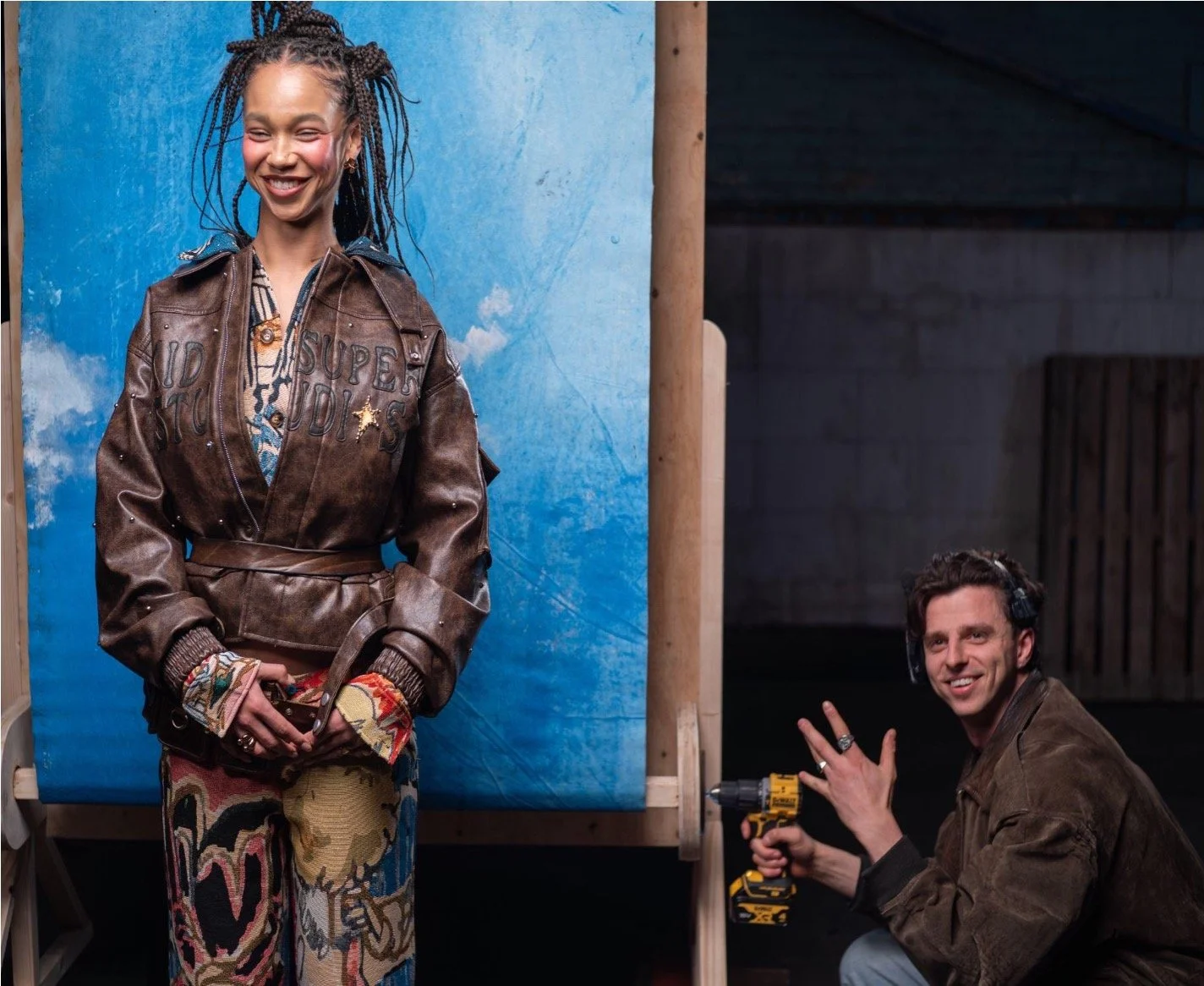
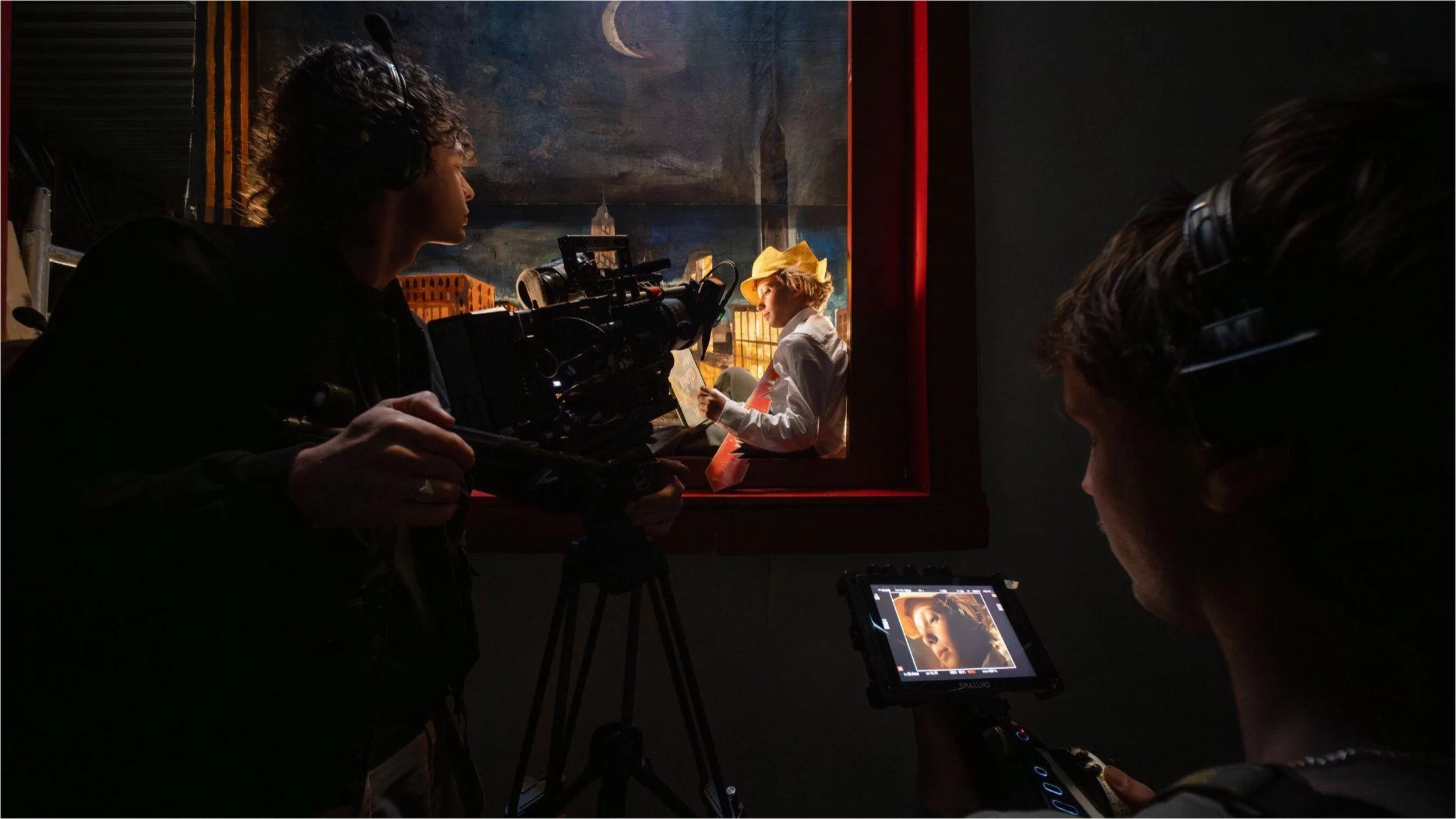
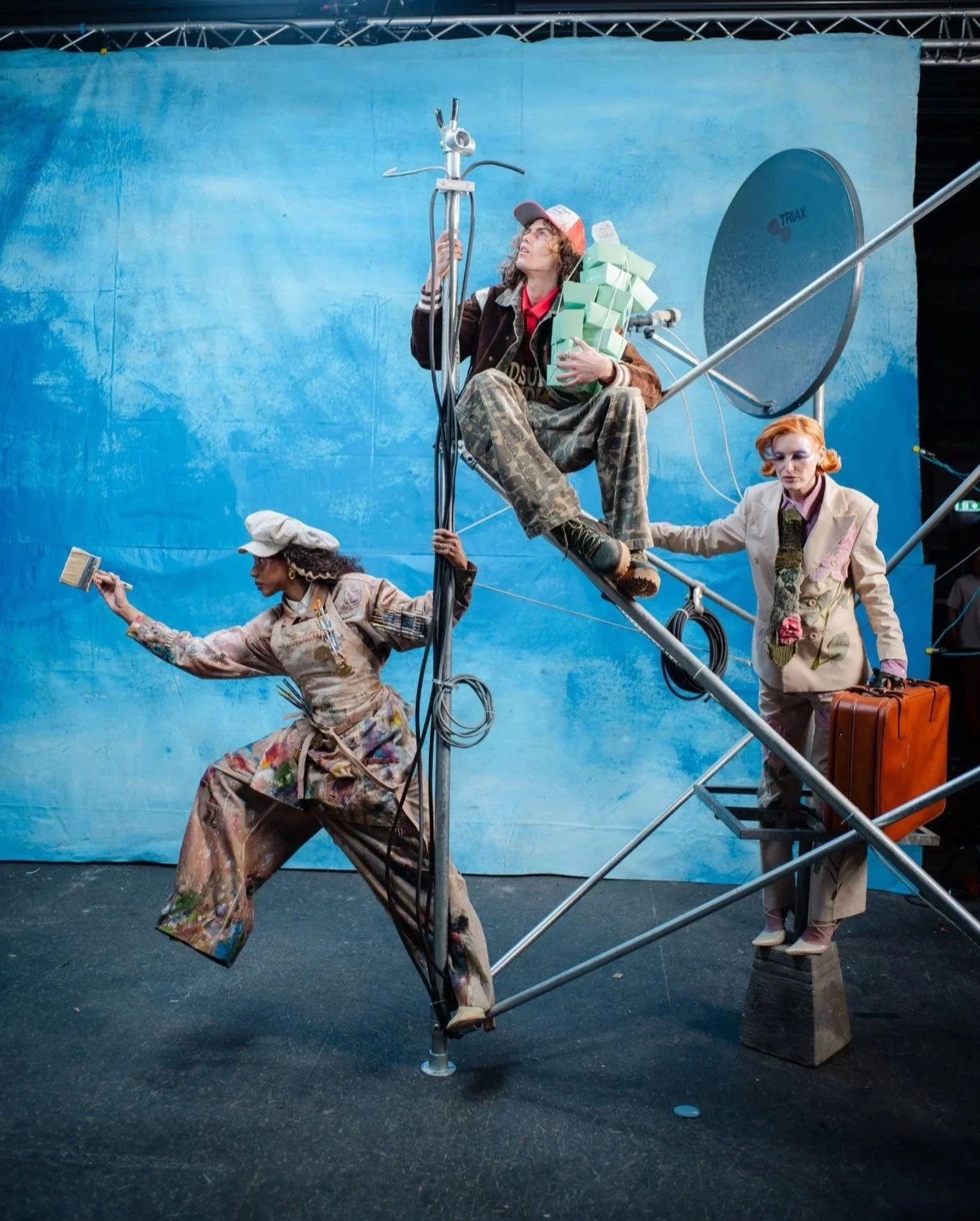
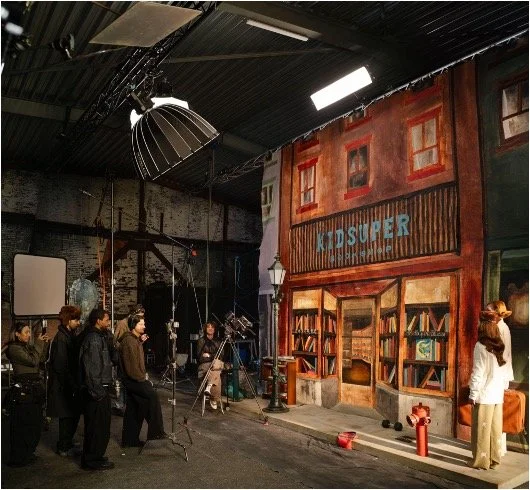
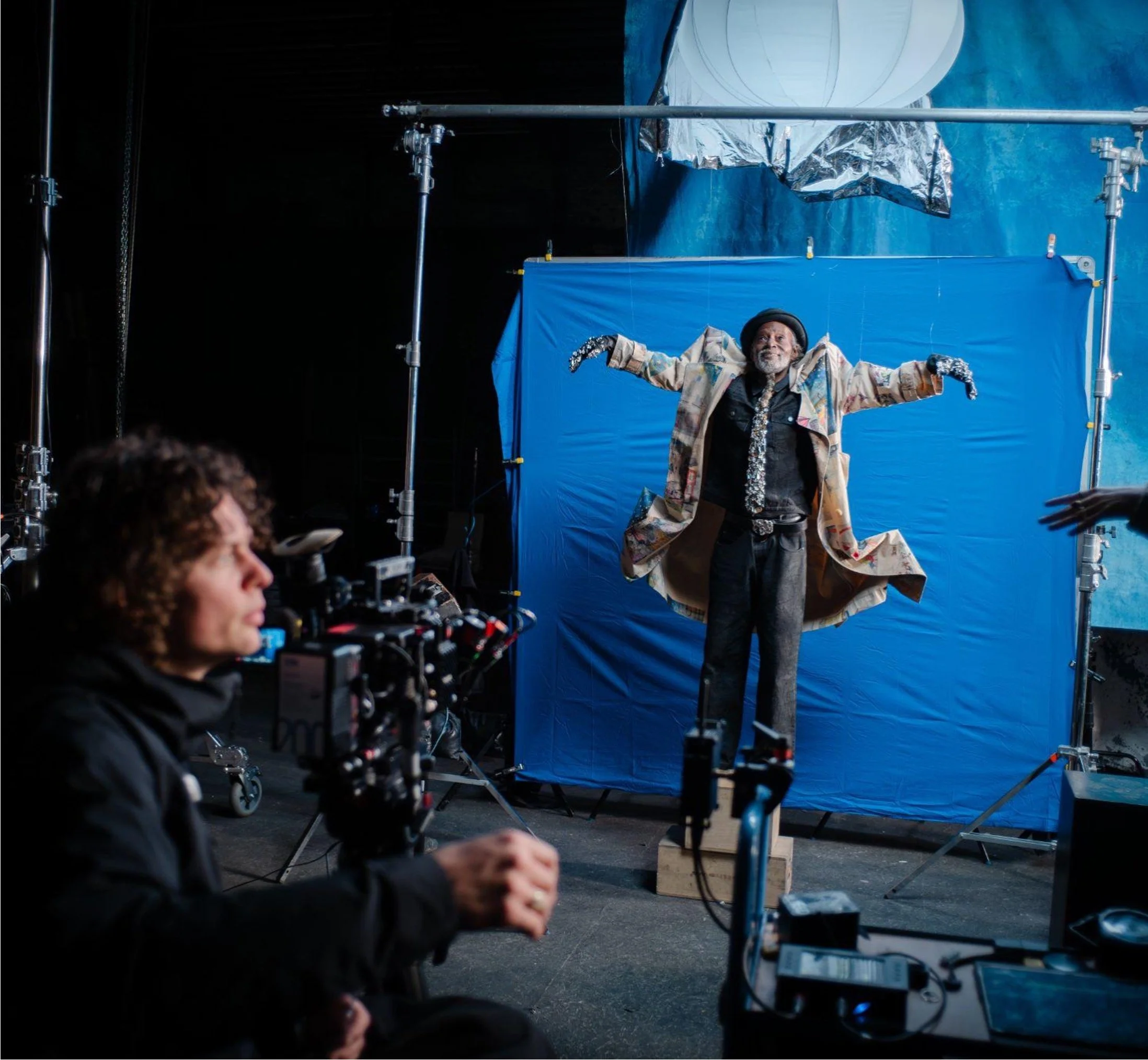
The visual world itself emerged directly from the collection presentation. Oversized hand-painted canvases transformed into giant “pages” of a physical storybook, with models stepping through them as though entering another dimension entirely. The result exists somewhere between runway installation, performance art, and cinema.
For HUMBLE, this intersection feels particularly resonant. Fashion today is often strongest when it stops trying to merely sell garments and instead builds emotional environments around them. KidSuper understands that instinctively.

A Film Built in Motion
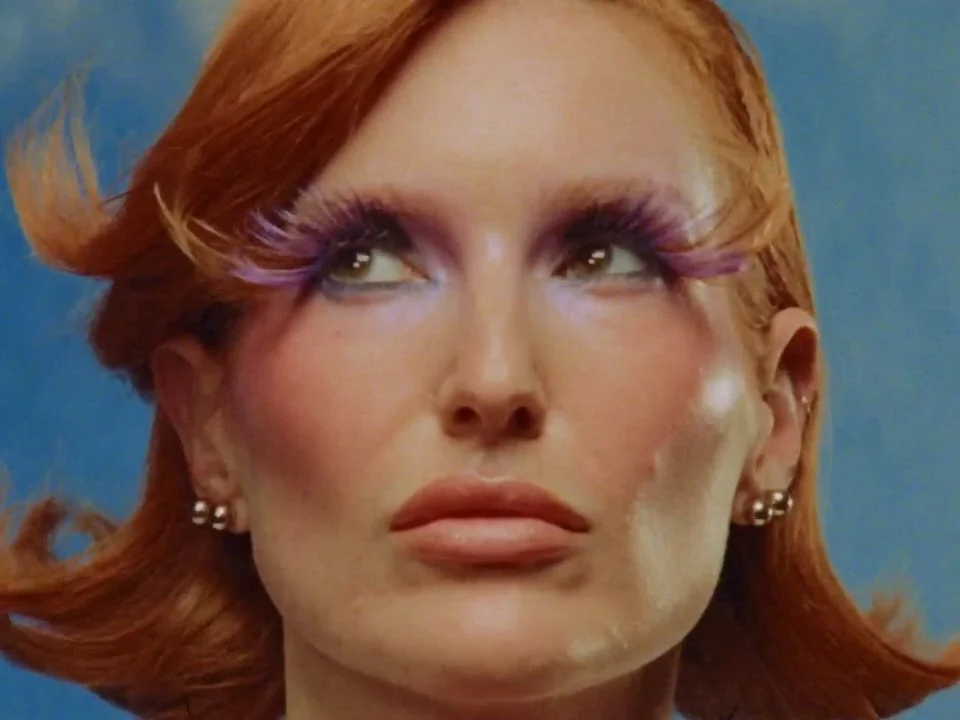
The film was captured simultaneously alongside the editorial photography by Segraphy, giving it an immediacy that avoids overly polished commercial aesthetics. There is movement, imperfection, texture, and spontaneity throughout. Rather than feeling storyboarded to death, the narrative breathes naturally through the set design, styling, and performances.
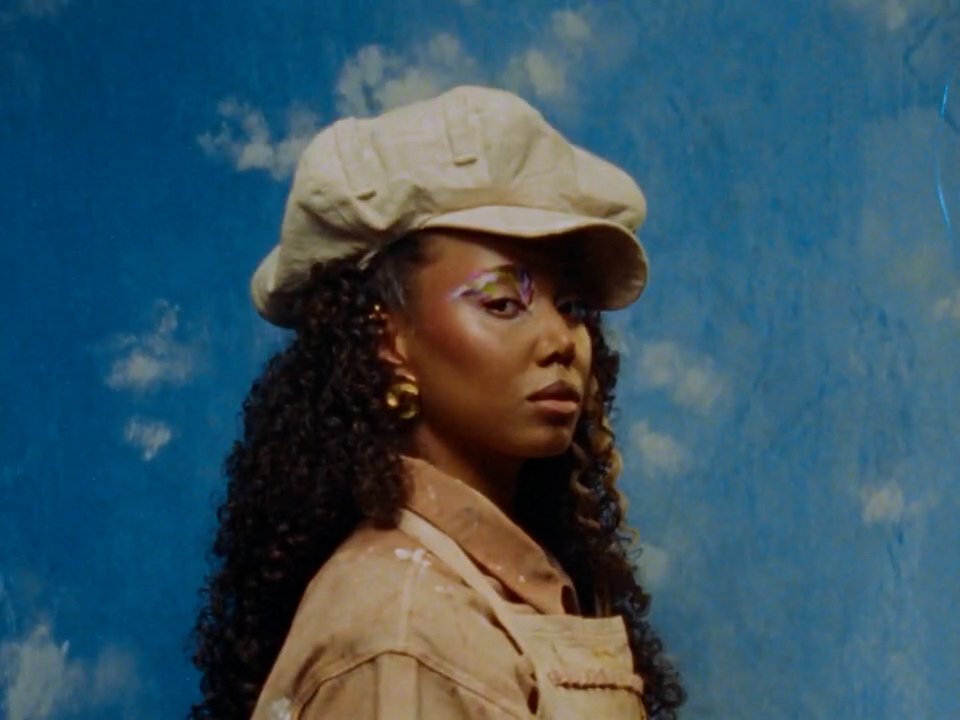
Rotterdam-based visual artist Marlou Fernanda appears not as a traditional cast member, but almost as an extension of her own artistic practice, further dissolving the boundaries between fiction and reality.
That blurring of disciplines is exactly what gives the project its emotional weight. The film never positions creativity as content. It presents creativity as survival.


Team that Expands Creative Language
Behind the production stands photographer and Creative Director Segraphy alongside Joachim and Robin as the directors of the film.
FutureFrank, the Amsterdam-based creative studio continuing to build a reputation for visually disruptive storytelling across fashion, music, and entertainment. According to the press materials, the studio works across brands, artists, and streaming platforms while intentionally rejecting formulaic production models.
There is a growing appetite for this kind of multidisciplinary image-making. Audiences no longer separate fashion films from short cinema, editorials from installations, or campaigns from art direction exercises. The strongest visual work today exists fluidly across all formats simultaneously.
Segraphy appears fully aware of that shift.