Caroline Menton on becoming Rachel Walsh, finding truth in emotional complexity
On vulnerability, interiority, and the quiet power of restraint
Caroline Menton moves with a considered precision, the kind that resists spectacle in favour of emotional truth. Born and raised in Dublin and trained at the Drama Centre London, her work carries a clarity of intention that feels both instinctive and deeply constructed. There is a restraint to her performances, but never distance. Instead, what emerges is a sensitivity to character that prioritises interior life over surface.
She is currently leading the RTÉ drama The Walsh Sisters, adapted from the novels of Marian Keyes, where she takes on the role of Rachel Walsh, one of contemporary Irish fiction’s most recognisable and emotionally complex figures. Written by Stefanie Preissner, the series situates Menton at the centre of a narrative shaped by contradiction, humour, and emotional fracture. As the show moves from RTÉ to the BBC, her performance signals a defining moment, not just within the series, but within her own trajectory.
Alongside her screen work, Menton continues to move between mediums with ease. This month, she leads Fair Deal at the Abbey Theatre, in a production written by Una McKevitt and directed by Conall Morrison. Her recent work reflects a range that resists easy categorisation, from the psychological intensity of Oddity, directed by Damian McCarthy, to her presence in All Creatures Great and Small. Across each, there is a consistent thread, an attentiveness to complexity, to contradiction, and to the emotional spaces that often remain unspoken.
It is precisely this sensibility that defines her Rachel. Not as a fixed character, but as a woman in flux, negotiating between performance and truth, vulnerability and defence.
In conversation with the Editor, Menton reflects on inhabiting a role so deeply embedded in literary culture, the responsibility of portraying addiction with nuance, and the quiet strength that emerges when vulnerability is allowed to exist without resolution.
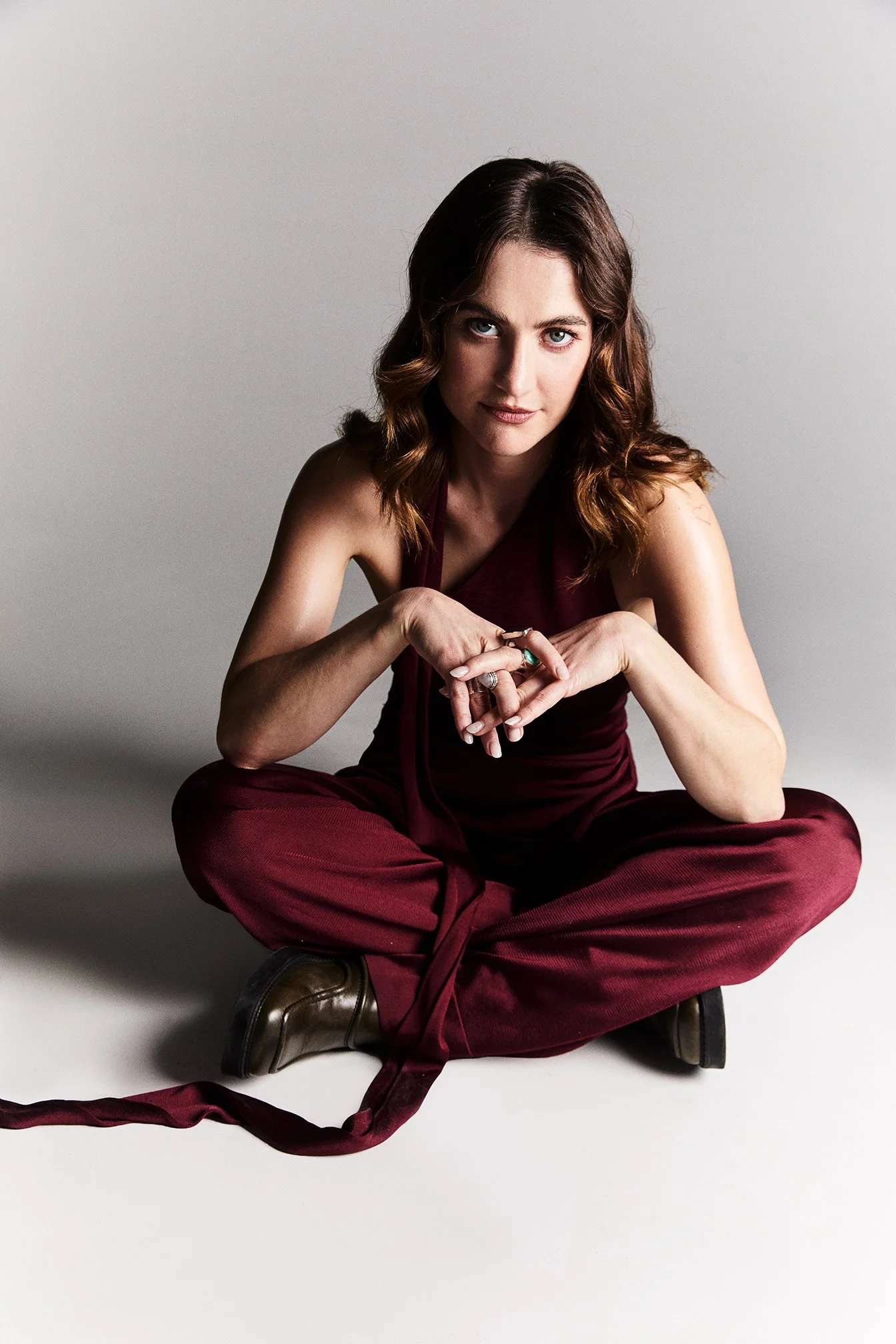
- The Walsh Sisters is rooted in emotion, contradiction, and female interiority.
- What drew you most deeply to Rachel Walsh as a woman, not just as a character?
Well, initially I was so drawn to Rachel’s vibrancy and found her deeply misunderstood. Of course, she makes her life difficult because she’s actively putting herself in harmful positions and when we meet her she’s self-sabotaging her life. I was drawn and curious to the reasons behind this. Why is she so unhappy in herself? Why does she experience so much self-loathing? Where does the self-destructive behaviour stem from?
- Rachel feels both fragile and defiant at once. How did you approach embodying someone who is constantly negotiating between performance and truth?
I just had to be very specific in the moments when she was being ‘performative’ and when she was allowing herself to be vulnerable. I think the performative Rachel is more prominent when she is active in her using because that’s how she can maintain her addiction without being detected.
- HUMBLE is always interested in the layers beneath appearance. What do you think Rachel is hiding from the world, and what is she hiding from herself?
When we meet her, I think she has managed to hide the severity of her addiction from the world, until it starts to become bigger than her and unmanageable. I think she has never really addressed the reasons why she must numb herself out and avoid dealing with herself, because I think underneath the performance and bravado there lies a deeply sensitive, wounded person.
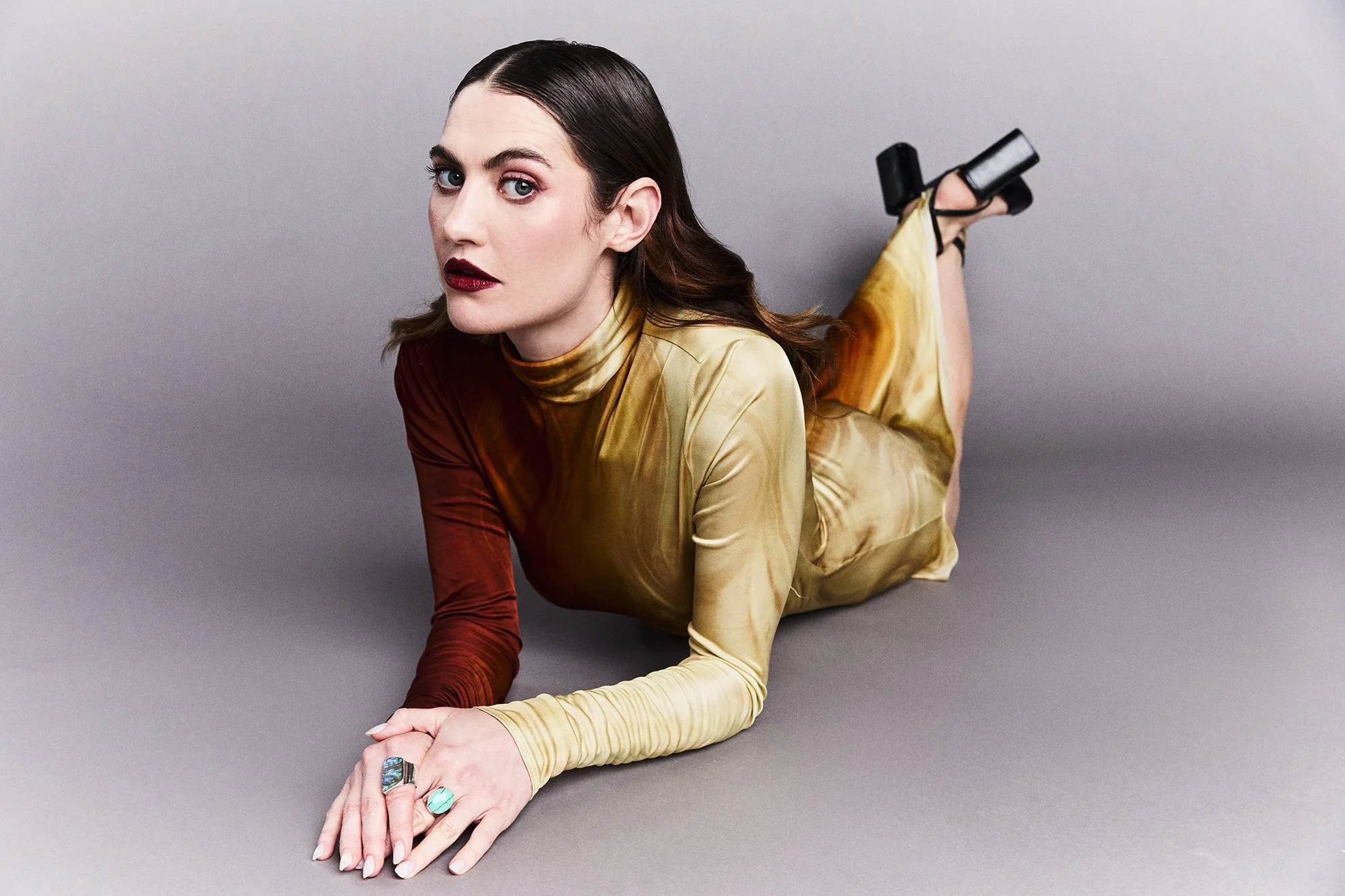
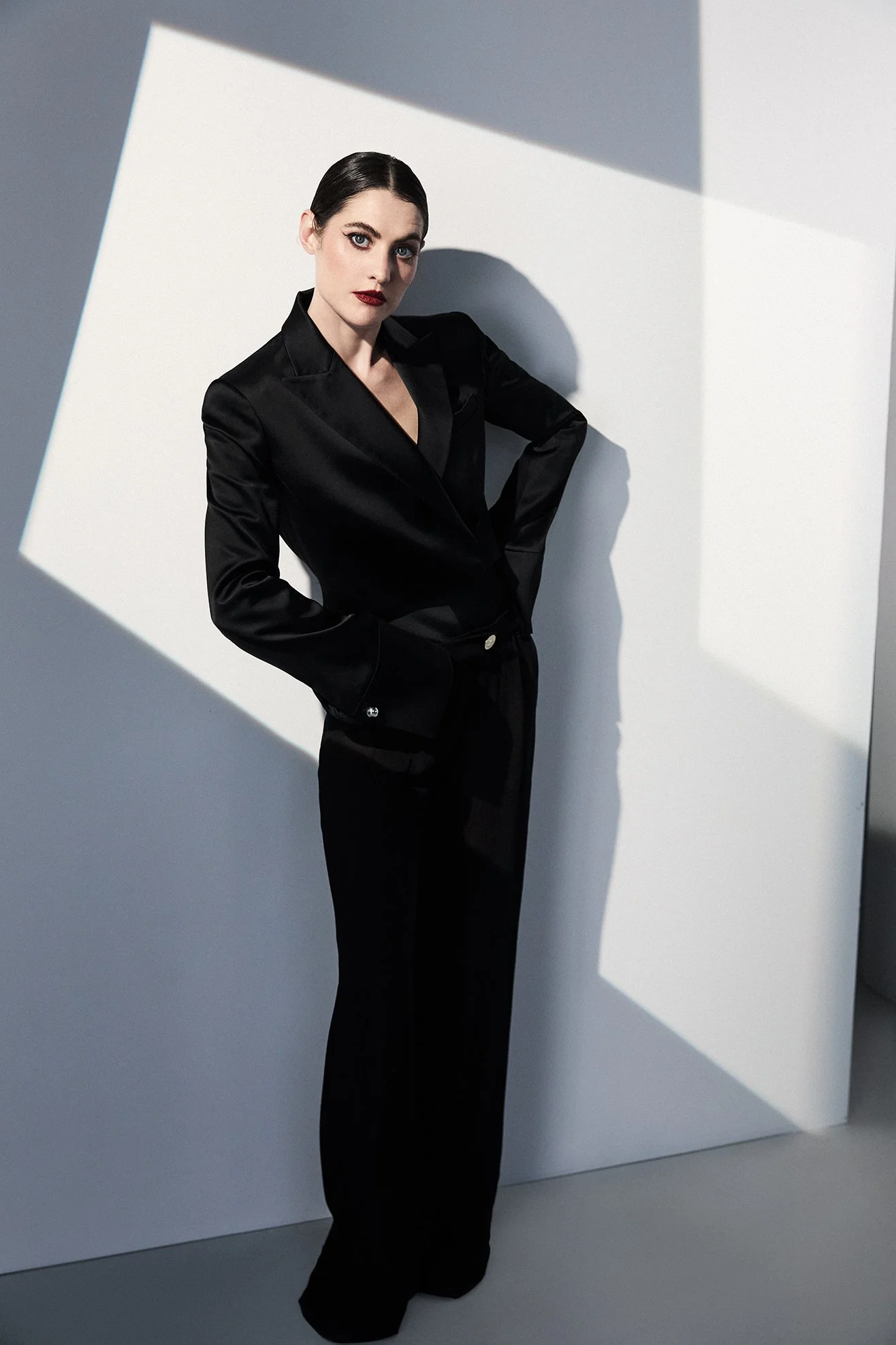
Photography - David Reiss Styling - Anna Stapleton HMU - Sian Duke
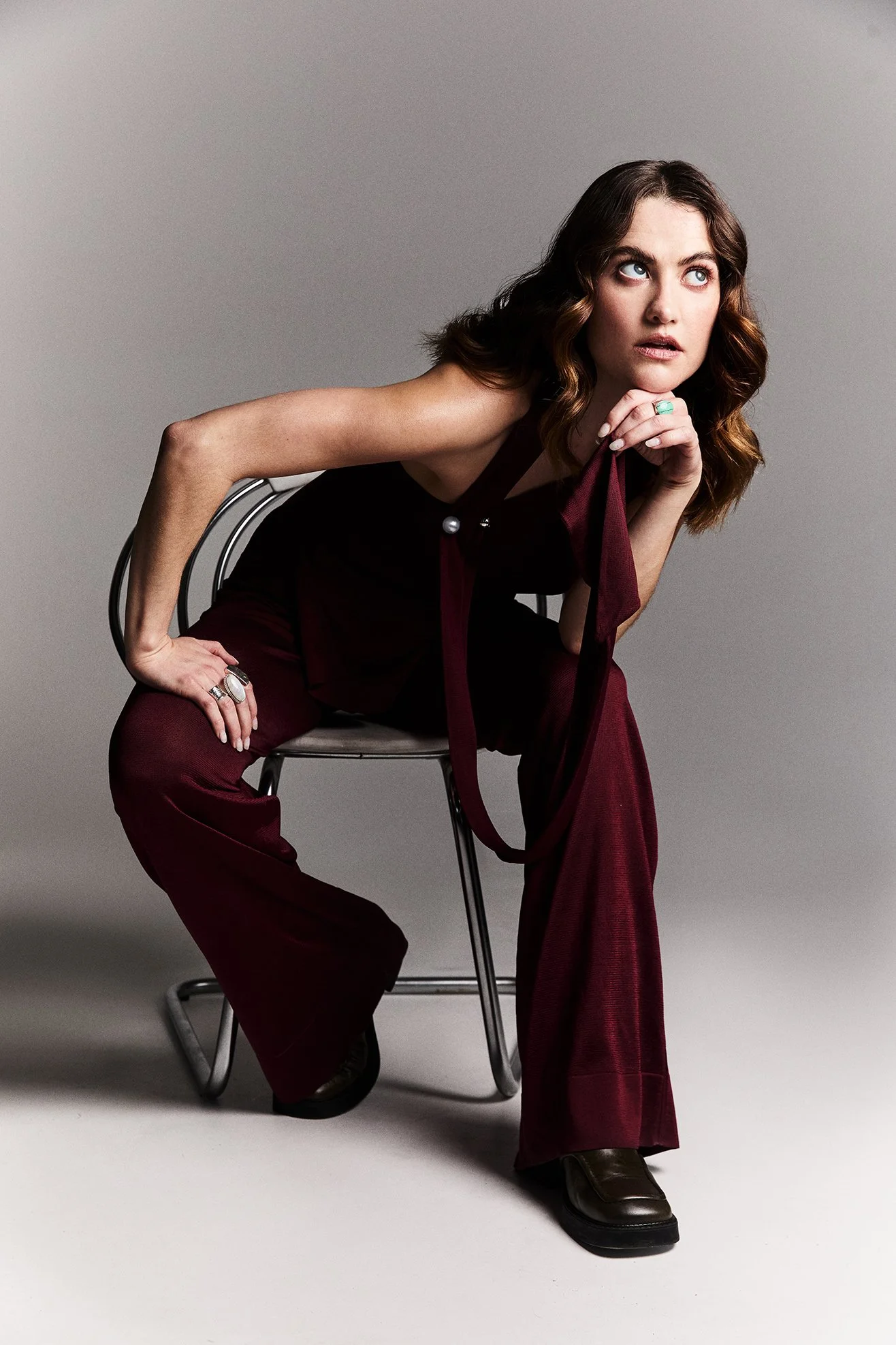
- Marian Keyes writes women with humour, damage, intelligence, and complexity.
- What responsibility did you feel stepping into a character that already holds such a strong place in readers’ minds?
It felt like a huge responsibility. I was obviously thrilled to be cast and take on this part however I was very nervous in doing so as Rachel is such a beloved character in Marian’s world and I didn’t want to do her or Rachel a disservice.
- There is something very powerful about stories that allow women to be messy, difficult, and emotionally unfinished. Why do you think those portrayals still matter so much now?
They’re incredibly important. We’re fed this narrative in society that women should be held to a certain standard, a certain expectation. But that is problematic because it’s not honouring the human condition. Life can be messy, so of course were going to reflect that as human beings. I think generally there is more judgment and less compassion placed on women in comparison to men struggling with addiction. It’s important that that’s represented on screen.
- Sisterhood sits at the heart of this story. How did the dynamic between the cast shape your understanding of intimacy, tension, and belonging within a family?
Well one of the many reasons I was drawn to ‘The Walsh Sisters’ was that I am one of five girls myself, so the sisterhood in the scripts really resonated with me. I found the dynamics so relatable and there were so many parallels for me personally. That was a good starting point and working with the girls was so easy, the chemistry was there from the very beginning which really enriched those relationships on and off screen. We got very lucky.
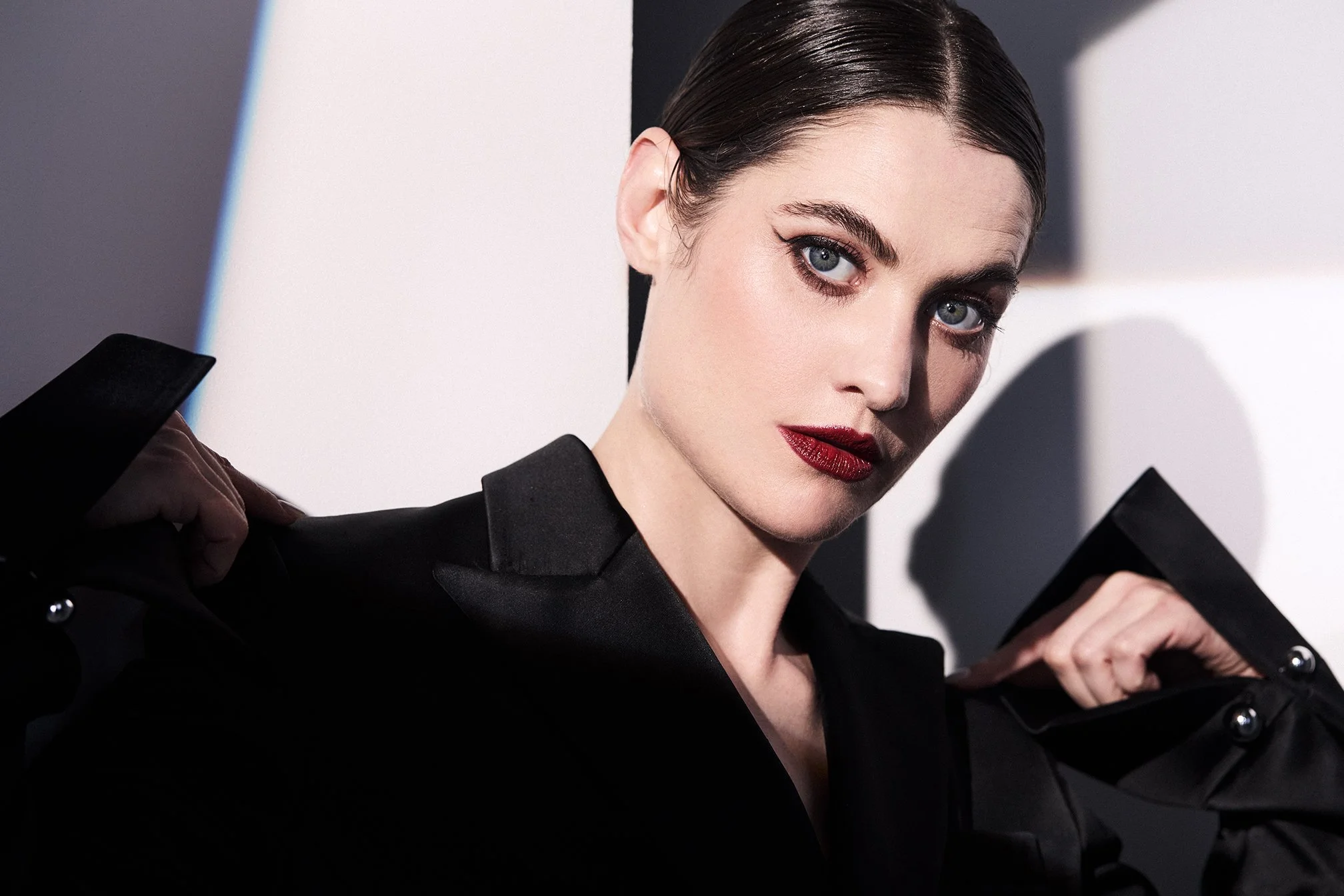
Photography - David Reiss Styling - Anna Stapleton HMU - Sian Duke
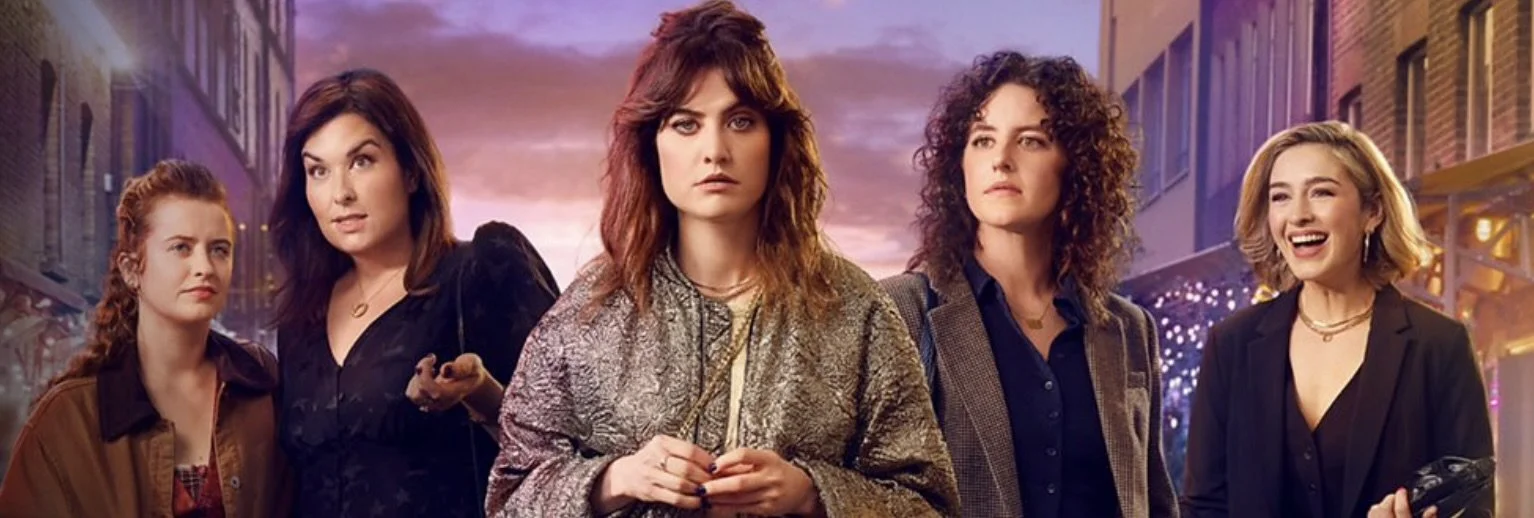
The Walsh Sisters on BBC iPlayer
- Irish storytelling often carries a particular kind of sharpness, wit, and emotional undercurrent.
- How did place, culture, and rhythm influence the way you built Rachel from the inside out?
Well, having ‘Rachel’s Holiday’ as a reference was so helpful. Getting a sense of her and taking the essence of her from the book and trying to apply that to our adaptation. Stephanie’s writing is just so witty and sharp so for the actor that is really such a gift. Most of the work is done for you in that sense. In Irish culture humour is a huge tool to help deal with difficult feelings and situations, it helps you cope. In that regard the scripts feel so authentically Irish. I always think this is reflected so well in Marian’s writing.
- Your performance has to hold pain without making it spectacle. How did you navigate portraying vulnerability in a way that felt honest rather than overstated?
In my prep when I was trying to understand Rachel, I realised that being vulnerable seems to be very difficult for her because if she was able to access it with more ease she wouldn’t have to rely on substances to numb out those uncomfortable feelings. When we meet her in the Cloisters she has no option but to confront those feelings head on, so trying to get the balance of that really helped.
- At HUMBLE, we are drawn to people who bring depth to what could easily be simplified. What part of Rachel’s story did you feel was most important to protect from cliché?
Honestly it was portraying her struggle with her addiction. Through my own research and talking to professionals who specialise in the area I realised that everyone’s addiction is so unique to them and their story. It is so much more nuanced and layered than it seems. So, it was so important for me to tell her story with the utmost respect and compassion.
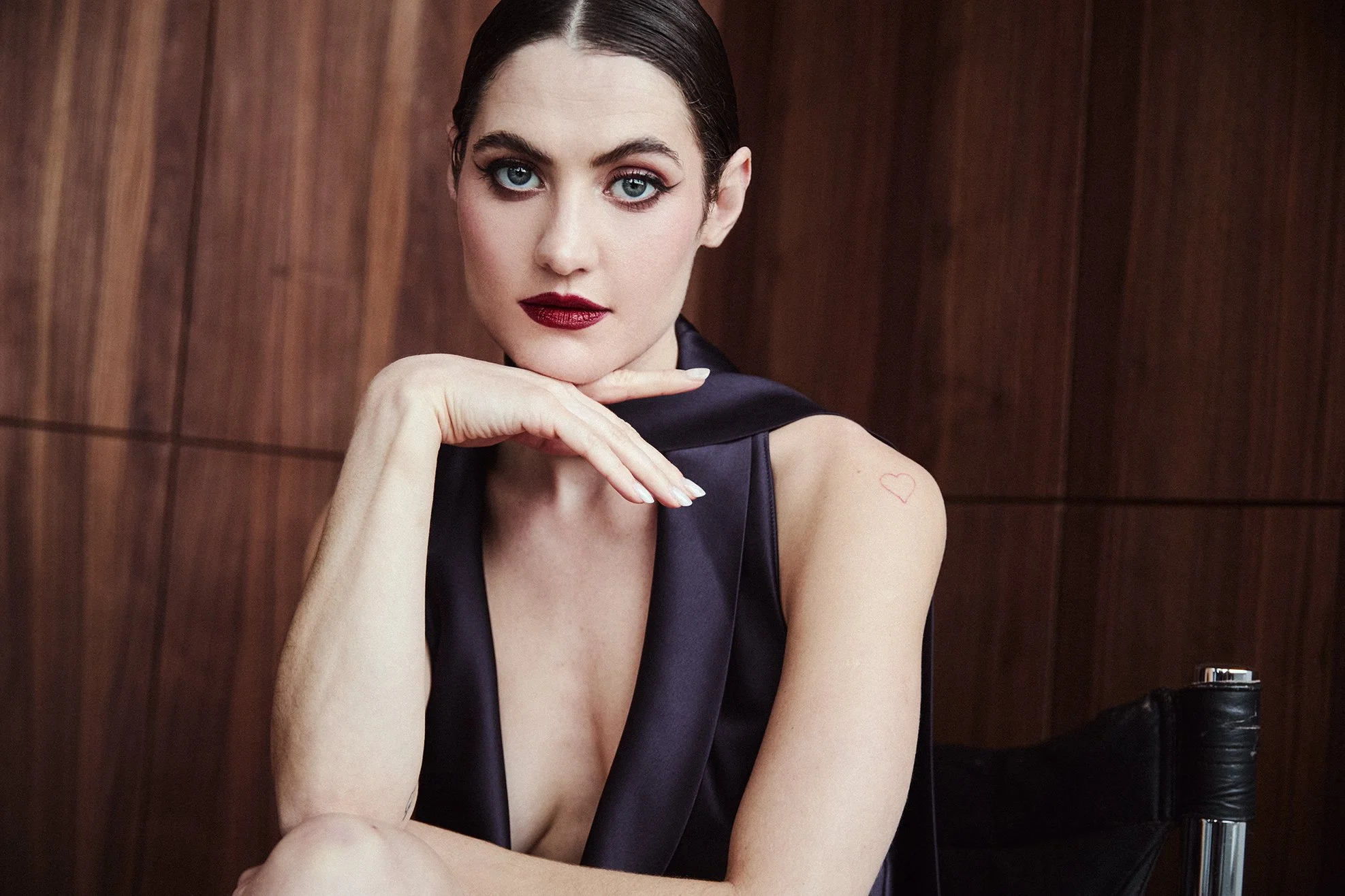
Photography - David Reiss Styling - Anna Stapleton HMU - Sian Duke
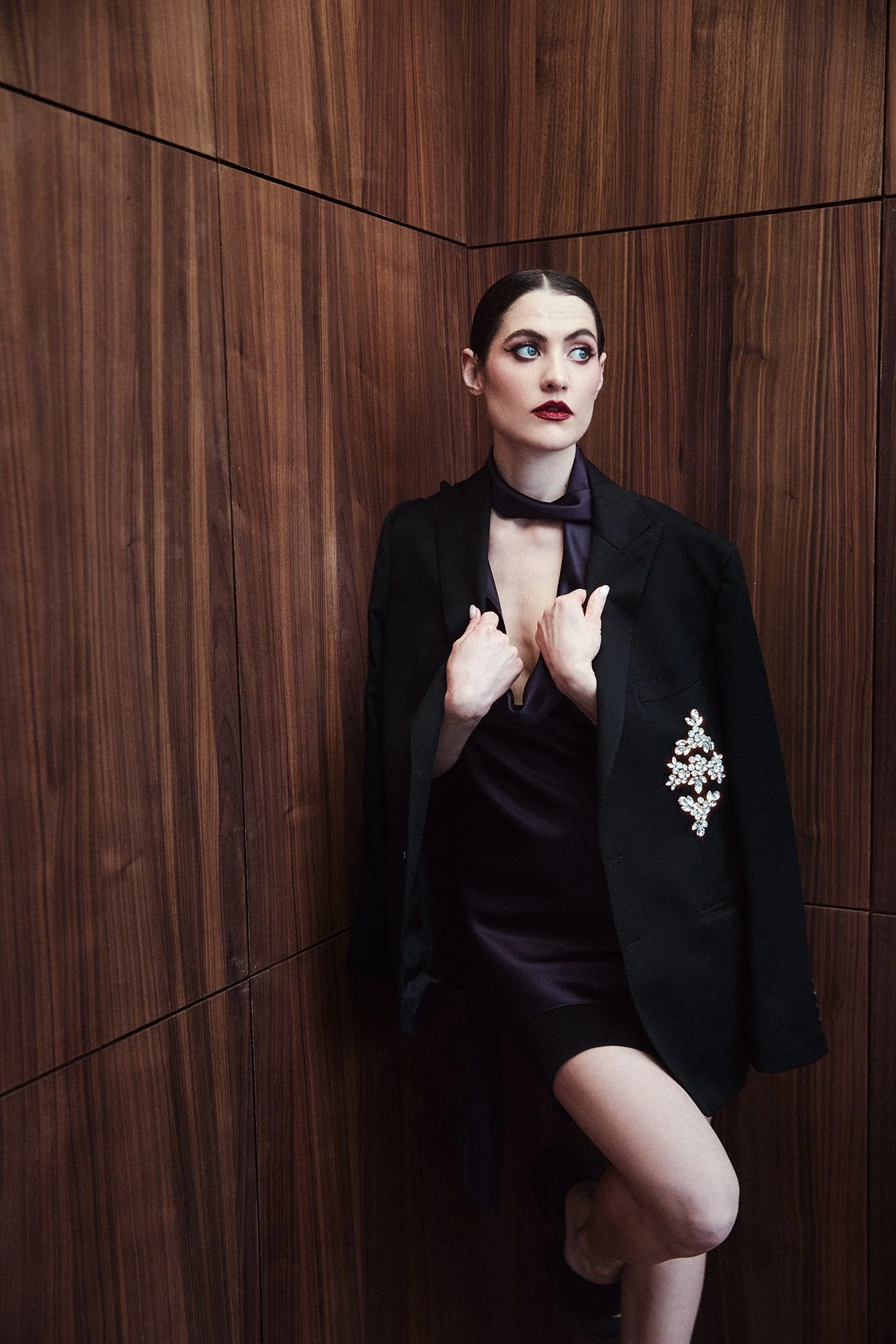
- As an actress, what interests you more: revealing a character’s strength, or revealing the fractures underneath it?
I think it depends on the character and the story. But finding a character’s strength in a challenging situation is so much more interesting to watch. Vulnerability is strength in my opinion.
- This role feels like part of a new chapter in your career. What kind of creative path are you hoping to carve for yourself from here?
It has been an amazing experience, and I feel so grateful to be a part of it. I hope to continue building a career on screen and I just hope to continue to work with creatives that inspire and challenge me and tell meaningful stories. I have worked with some amazing people who have made me a better actor.
- HUMBLE often returns to the idea that beauty can exist in complexity, imperfection, and emotional truth. What do you hope people carry with them after watching your Rachel?
I hope people can watch Rachel’s story and see her experience from a difference perspective. I want them to feel compassion for her and her pain as opposed to judging her for the decisions she has made. Don’t ask why the addiction, ask why the pain.
In Menton’s hands, Rachel Walsh resists simplification. She is neither redeemed nor reduced, but held in tension, between damage and desire, humour and hurt. It is precisely this refusal to resolve her that makes the performance linger. Not as spectacle, but as something far more difficult to look away from, a life rendered with care, contradiction, and truth.