Aesther Ekme FW26: The Architecture of the Self
For Fall Winter 2026, Aesther Ekme turns the handbag into a study of identity, examining the tension between the image presented to the world and the emotional life concealed beneath it.
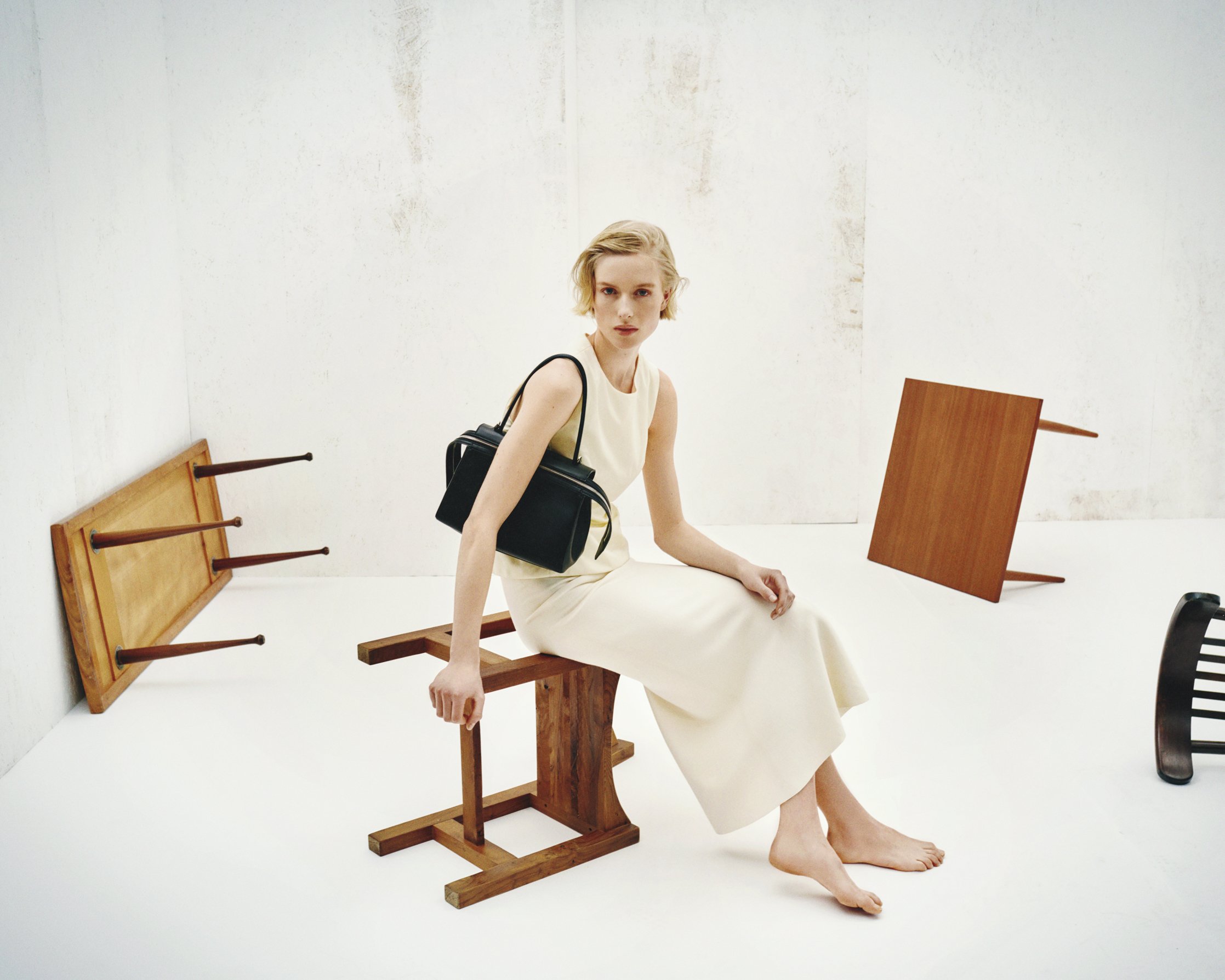
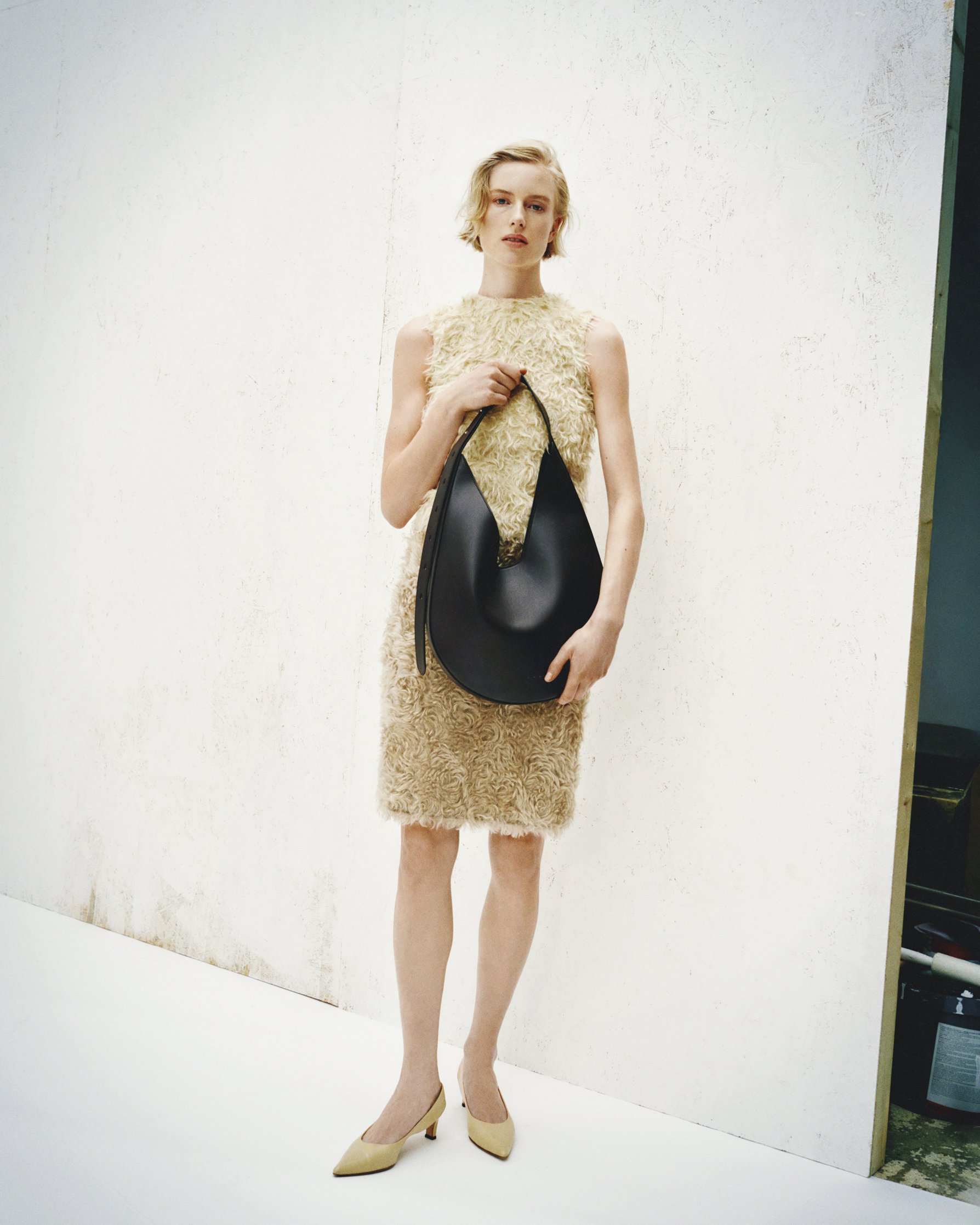
Fashion frequently asks an object to perform two roles at once. A handbag must carry the practical details of everyday life, yet it must also communicate something about the person holding it. It becomes functional and symbolic, intimate and visible, protective and revealing.
For Fall Winter 2026, Aesther Ekme places this contradiction at the centre of its collection, The Architecture of the Self. Inspired by Ingmar Bergman’s 1966 film Persona, the collection considers identity not as something fixed, but as a shifting structure shaped by performance, vulnerability and perception.
Identity as a moving structure
In Persona, the distinction between one identity and another gradually becomes unstable. Faces, voices and emotional boundaries begin to overlap. Aesther Ekme translates this psychological uncertainty into a study of form.
The collection is built around opposing qualities: hard and soft, controlled and instinctive, intellectual and erotic. Rather than resolving these tensions, the bags allow them to coexist.
Structured silhouettes sit beside softened constructions. Clean lines encounter folds, openings and areas of compression. Leather appears capable of holding a precise architectural shape, while remaining responsive to movement and touch.
This duality gives the collection its emotional weight. The bags do not simply represent a completed identity. They suggest that identity is continuously being assembled, adjusted and reconsidered.
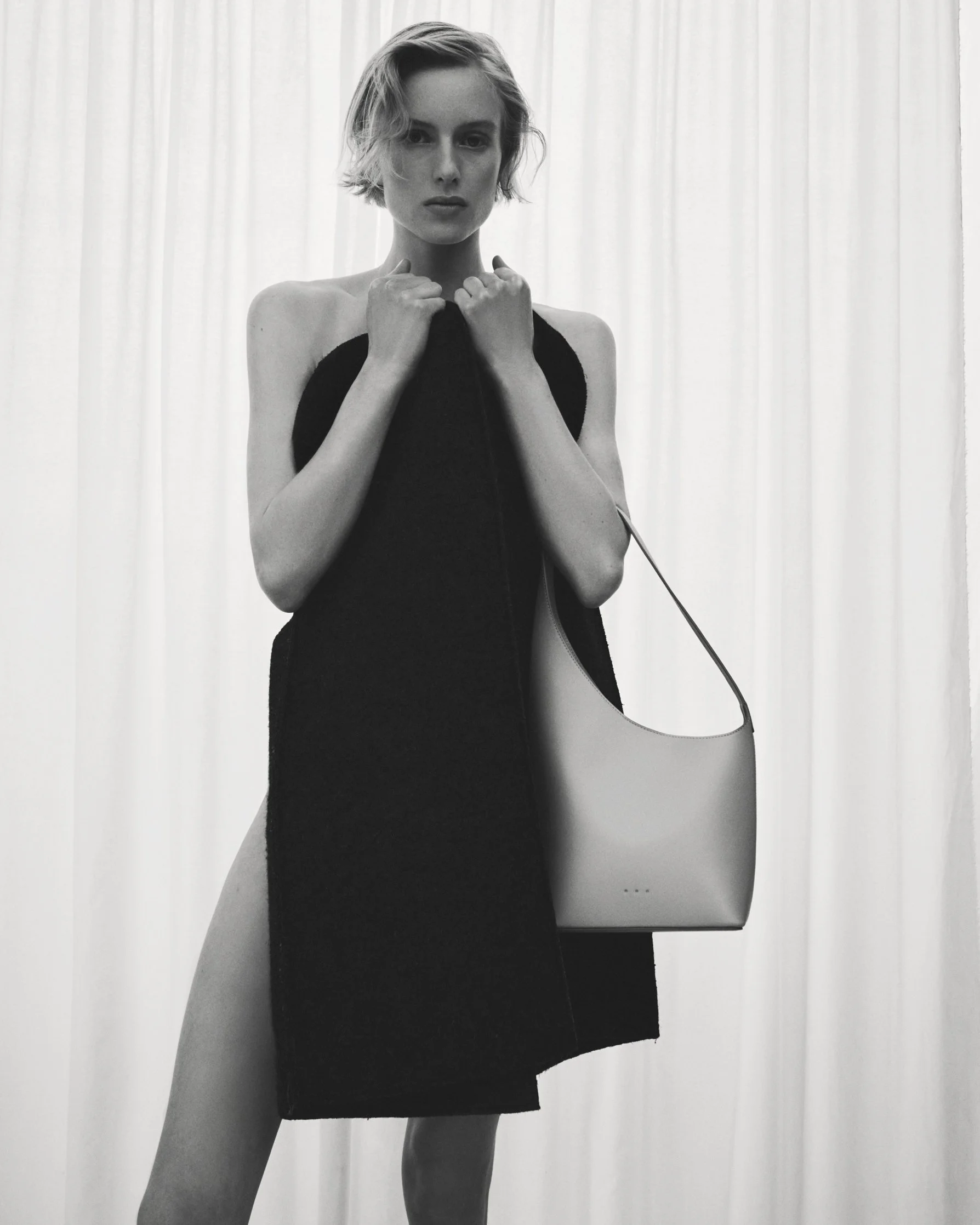
A handbag becomes an appropriate object through which to explore this idea. It exists at the boundary between the private and the public. Its exterior contributes to the wearer’s visible persona, while its interior carries the personal objects, habits and fragments of daily life that remain concealed.
When function becomes psychological
Throughout the collection, familiar functional elements acquire a more expressive role.
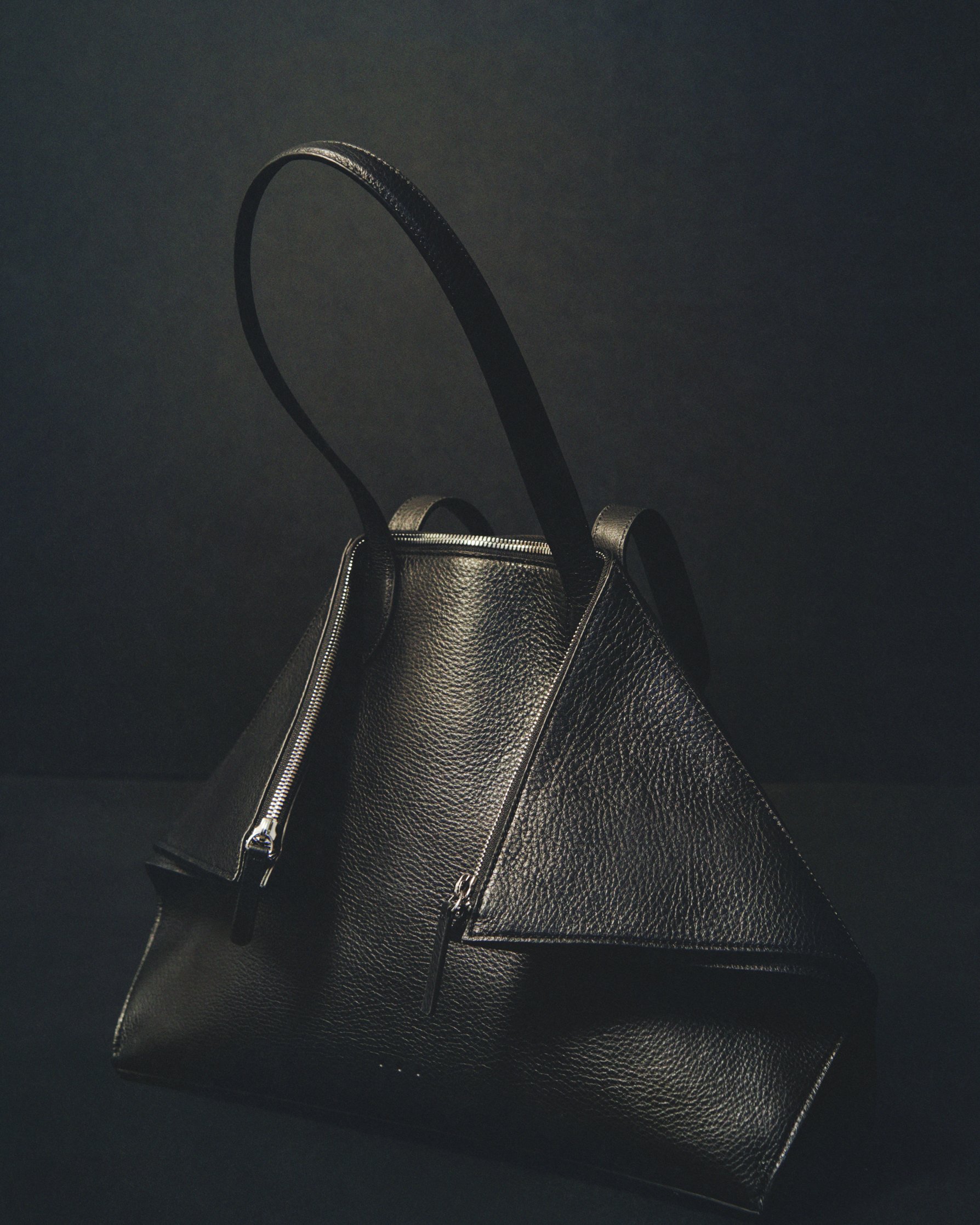
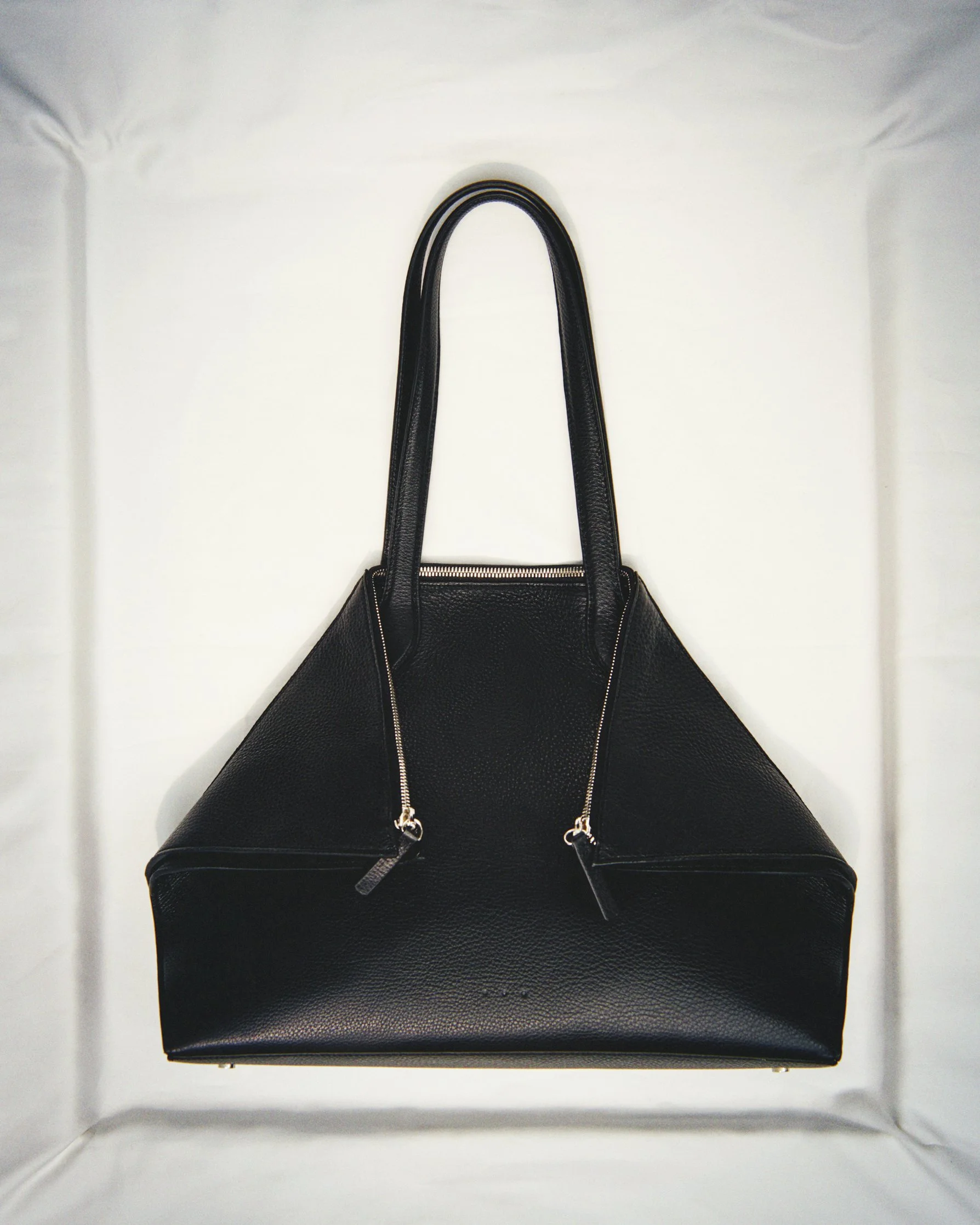
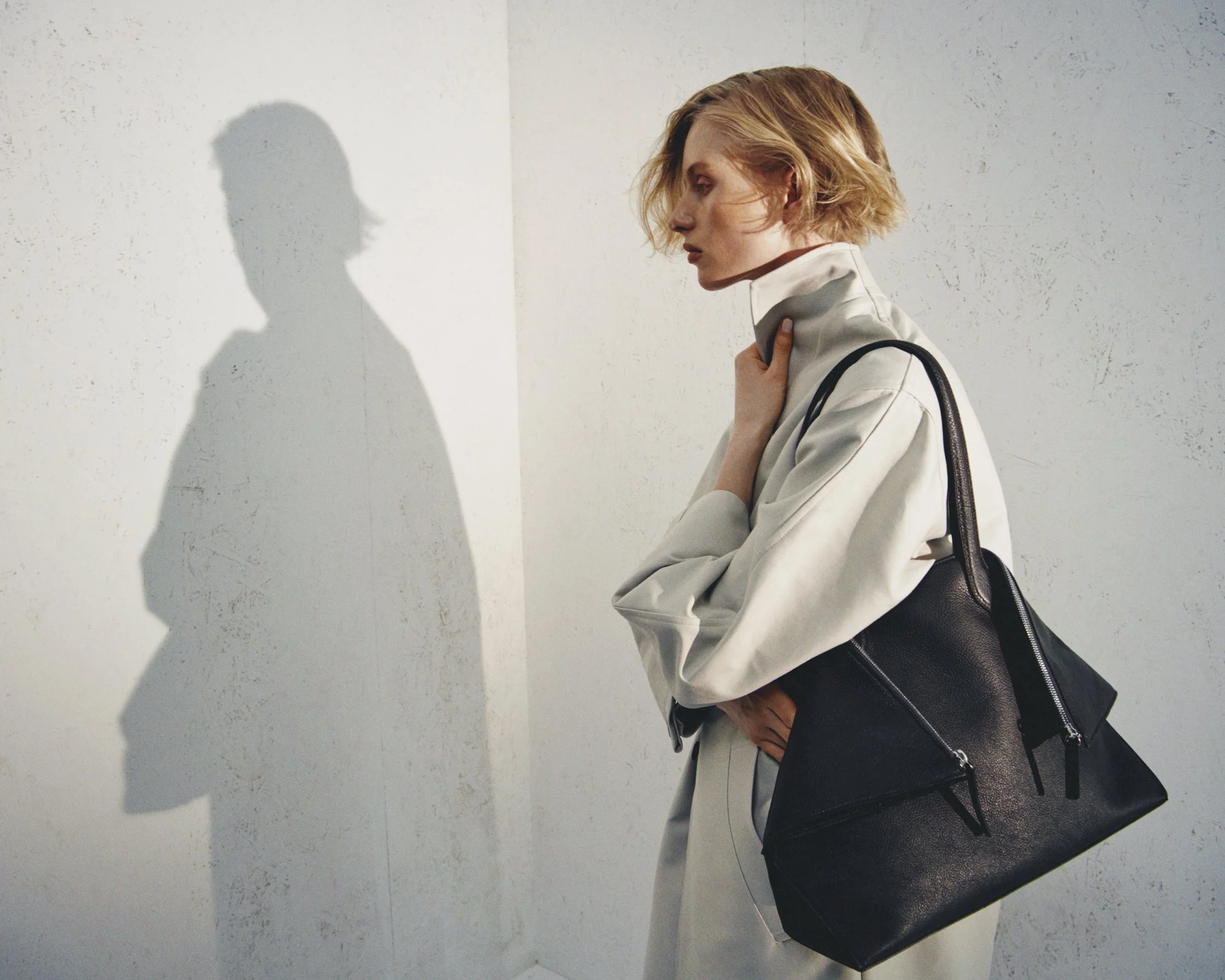
Zips, straps, handles and closures are not treated only as technical necessities. They become points of tension and release, connecting the bag to the body while regulating what is exposed and what remains protected. The act of opening, fastening, carrying or adjusting becomes part of the collection’s language.
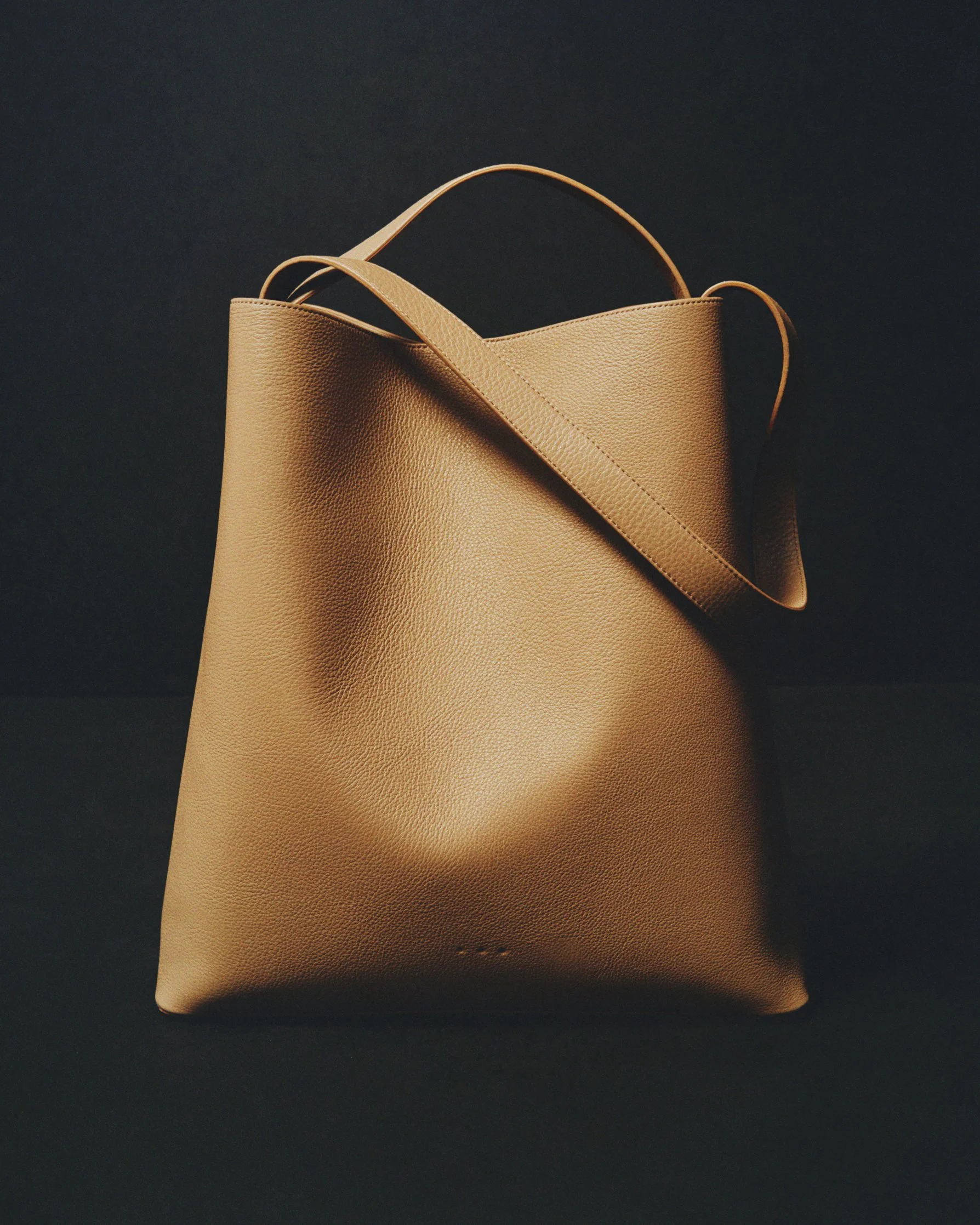
This relationship can be seen across silhouettes including the Joni, Sac, Hobo, Demi Lune, Nina clutch, Mini Sac, Cosmo Soft, Fold, Demi Lune Cloud and Market Tote. Each design approaches the body differently, from compact forms held close to the torso to larger constructions that extend the wearer’s physical outline.
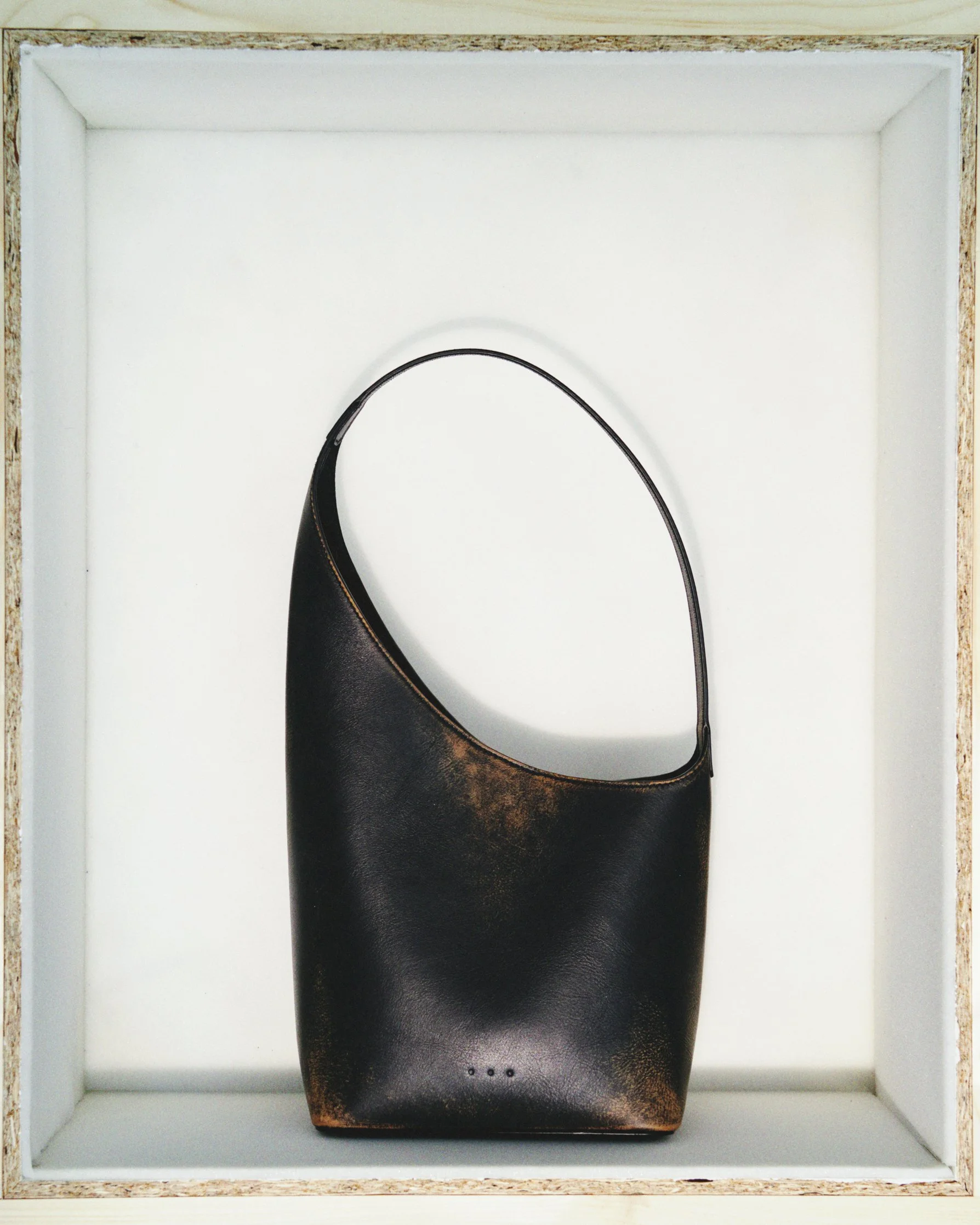
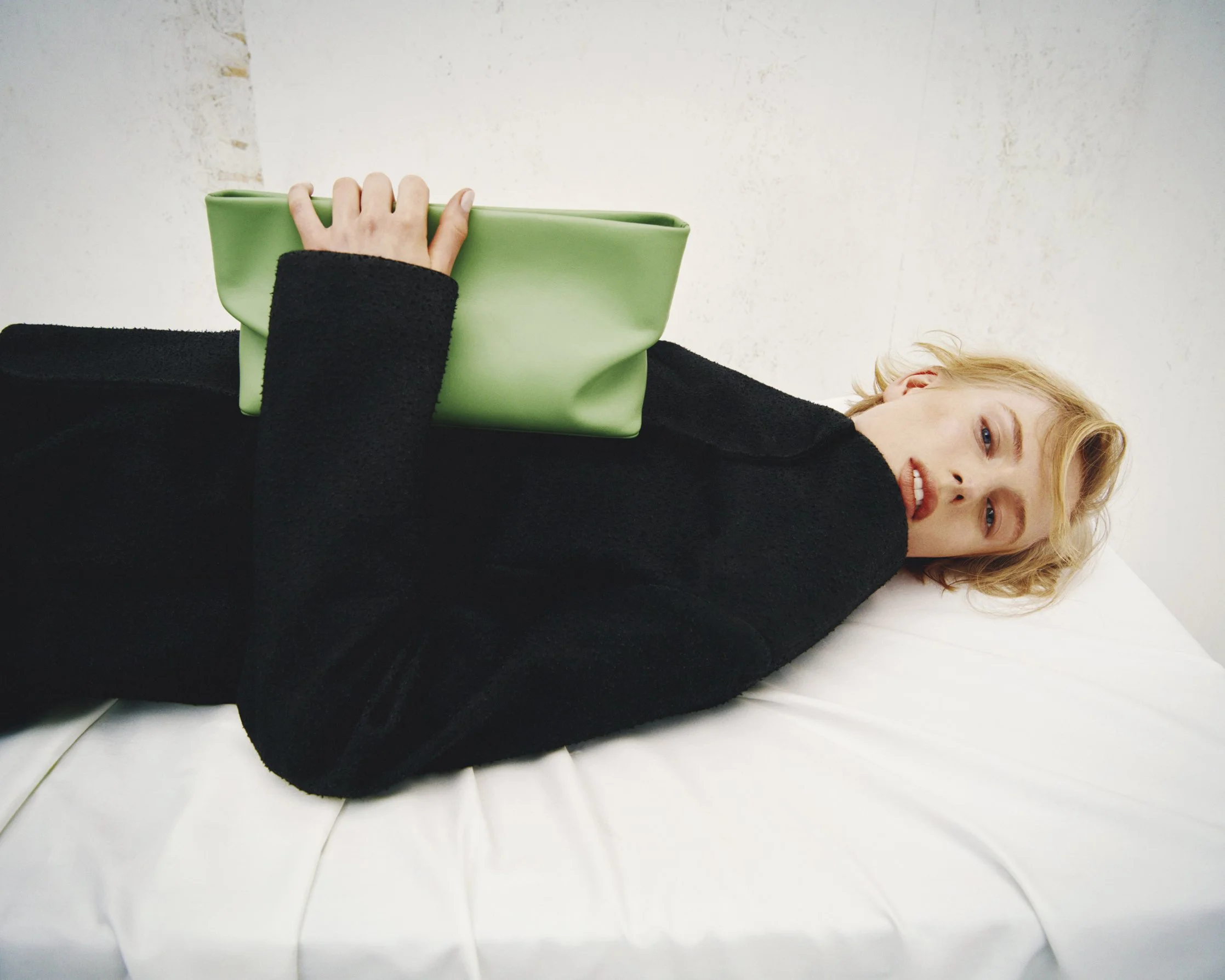
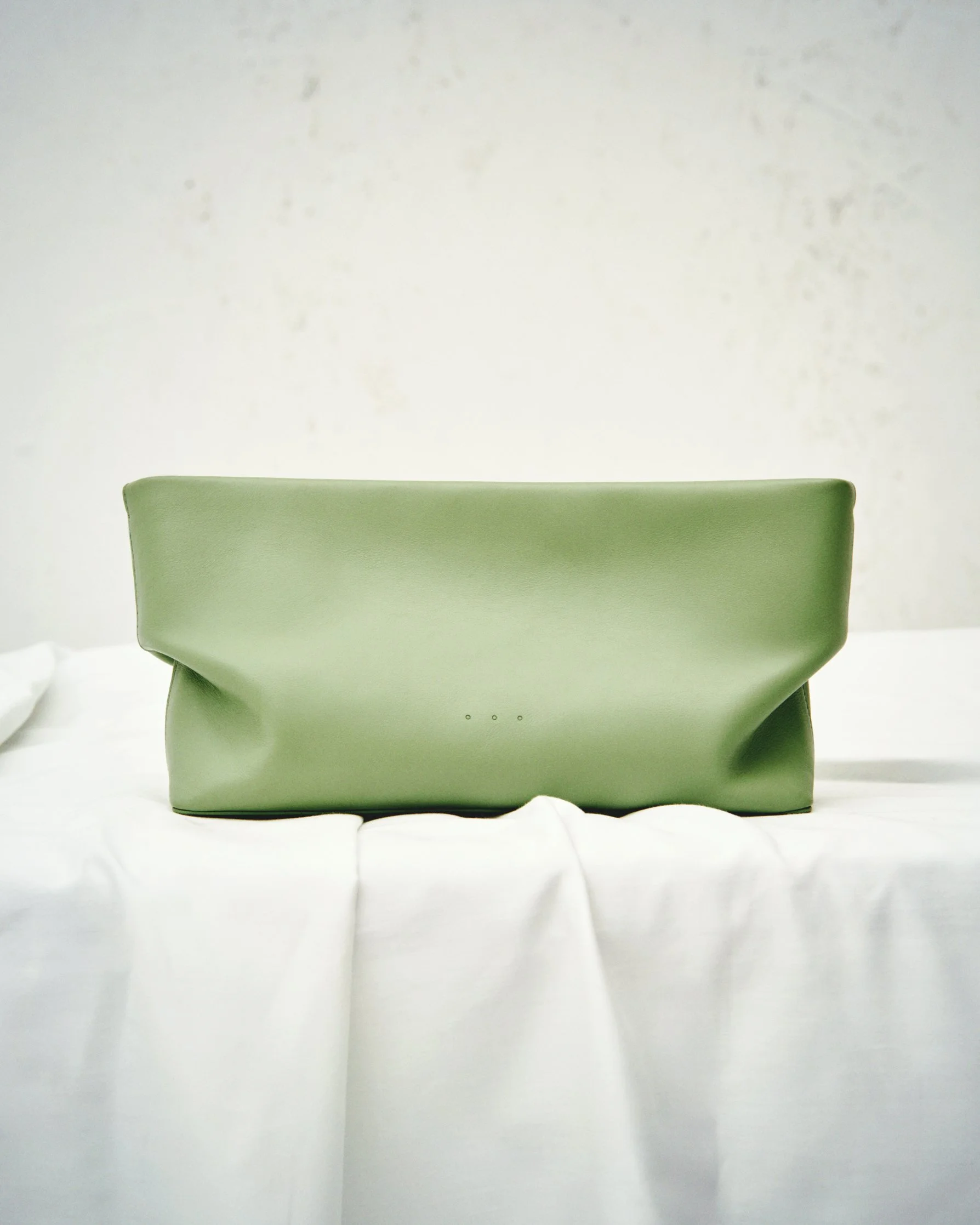
The Nina clutch communicates through compression and restraint. Its folded surface appears almost held in place, as though the leather is containing something that might otherwise expand. The Demi Lune introduces a more continuous, curved relationship between object and body, while the Fold and Market Tote use scale and construction to create a stronger external framework.
Yet the collection avoids turning these details into spectacle. Even its most distinctive shapes retain a sense of control. The design never completely overtakes the person carrying it.
The quiet object and the visible self
Aesther Ekme has consistently positioned the handbag as a companion rather than a status symbol. Founded by Stephane Park in 2016, the brand approaches leather goods through what it describes as a relational design philosophy, producing objects intended to develop a lasting emotional connection with their owners.
That philosophy becomes particularly significant within The Architecture of the Self.
At a moment when fashion is often organised around immediate visibility, recognisable branding and accelerated consumption, Aesther Ekme proposes a quieter relationship between object and wearer. Its bags do not demand to become the entire image. They support the person within it.
This restraint should not be mistaken for neutrality. The collection’s simplicity is carefully constructed. Proportion, ergonomics and material presence create character without relying on excessive decoration. Each silhouette is recognisable, but it remains open enough to enter the wearer’s existing life.
The result is a collection that understands minimalism as more than an aesthetic category. Here, reduction creates space for complexity. By removing unnecessary visual interruption, the bags allow posture, gesture, clothing and personality to remain visible.
The object becomes an extension of identity without attempting to define it.
Between protection and exposure
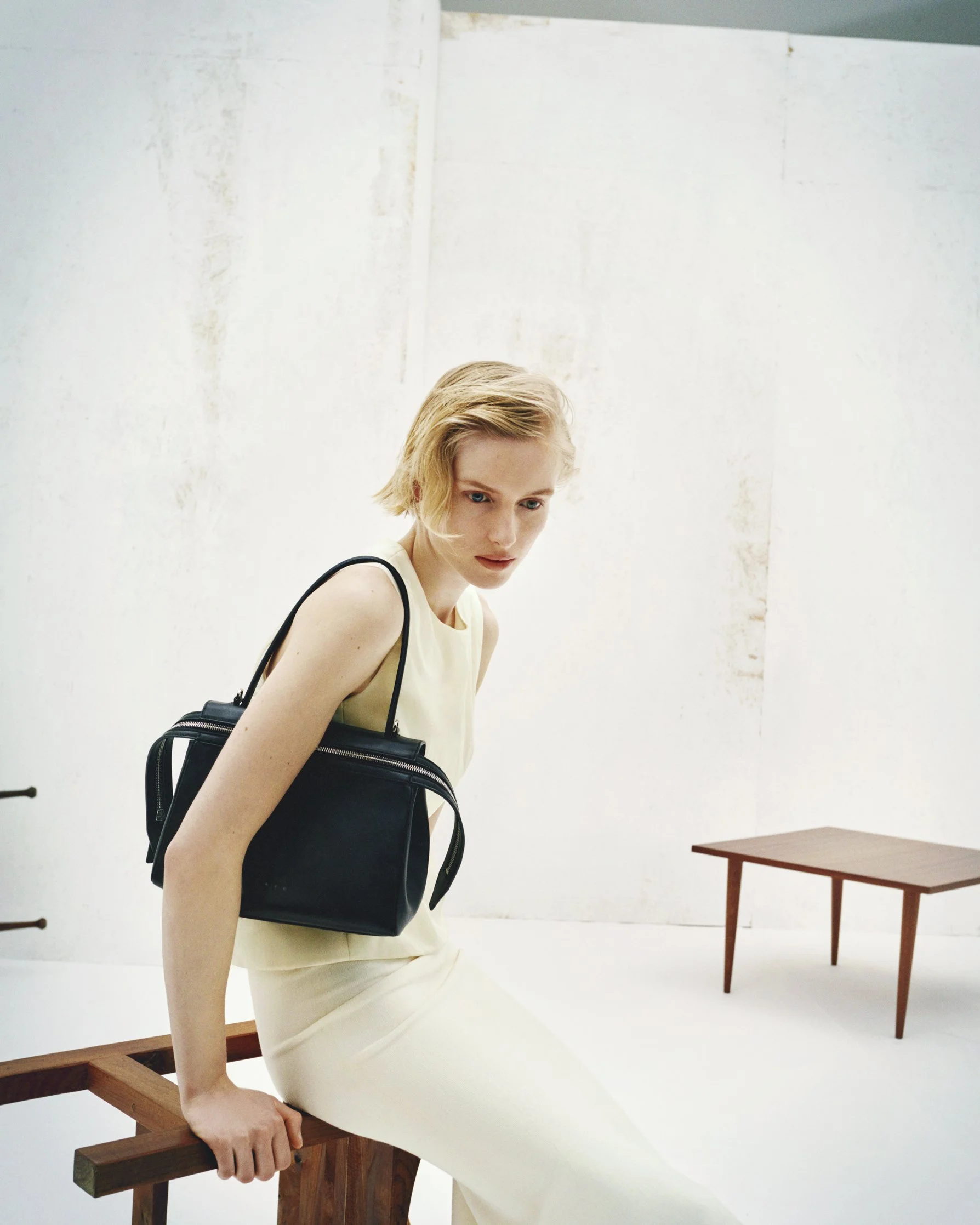
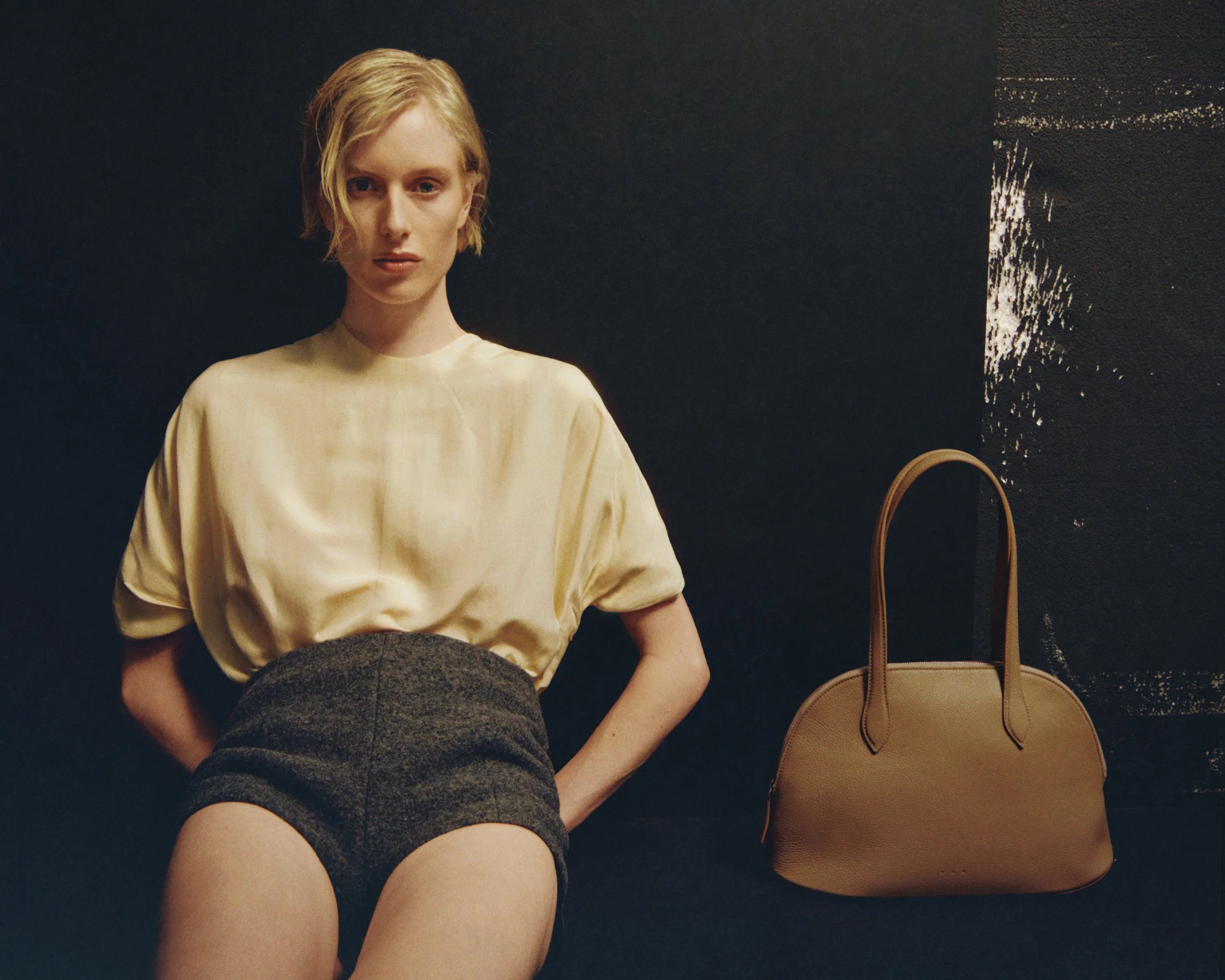
There is an inherent intimacy in carrying something close to the body. A strap placed over the shoulder, a handle held in the hand or a bag pressed beneath the arm establishes a physical relationship between person and object.
Aesther Ekme uses this relationship to explore the subtle conflict between external form and internal expansion. The bag provides structure and protection, but its contents remain personal, changeable and largely unseen.
In this sense, The Architecture of the Self is not simply concerned with how identity appears. It is concerned with what identity contains.
The collection proposes that the self is neither a completely private interior nor a perfectly constructed exterior. It exists in the movement between the two, shaped by what is revealed, withheld, carried and released.
Rather than offering a definitive portrait of the wearer, Aesther Ekme leaves room for contradiction. The bags frame the body without overwhelming it, allowing the individual, rather than the object, to remain the central narrative.
Creative Direction Stephane Park
Talent Ines Kraefft (Tomorrow Is Another Day)
Photography Victor Brun
Styling Katie Shaw
Set Design Haleimah Darwish
Hair Christian Eberhard
Make-up Anthony Preel
Casting Direction Roxanne Dia
Production WA GMBH