VIA NOMADIS: Istituto Marangoni Shanghai Reimagines the Graduate Runway
For its 2026 Graduate Fashion Show, Istituto Marangoni Shanghai turned the runway into something less fixed: a journey through fashion, memory, moving image and immersive space, asking what happens when the future of retail begins with experience rather than product.
There is something fitting about calling a graduate show VIA NOMADIS. Meaning “the nomadic path”, the title suggests movement before arrival, an idea particularly relevant to designers stepping out of education and into an industry where creative identities are increasingly expected to exist across clothes, imagery, digital environments and physical space.
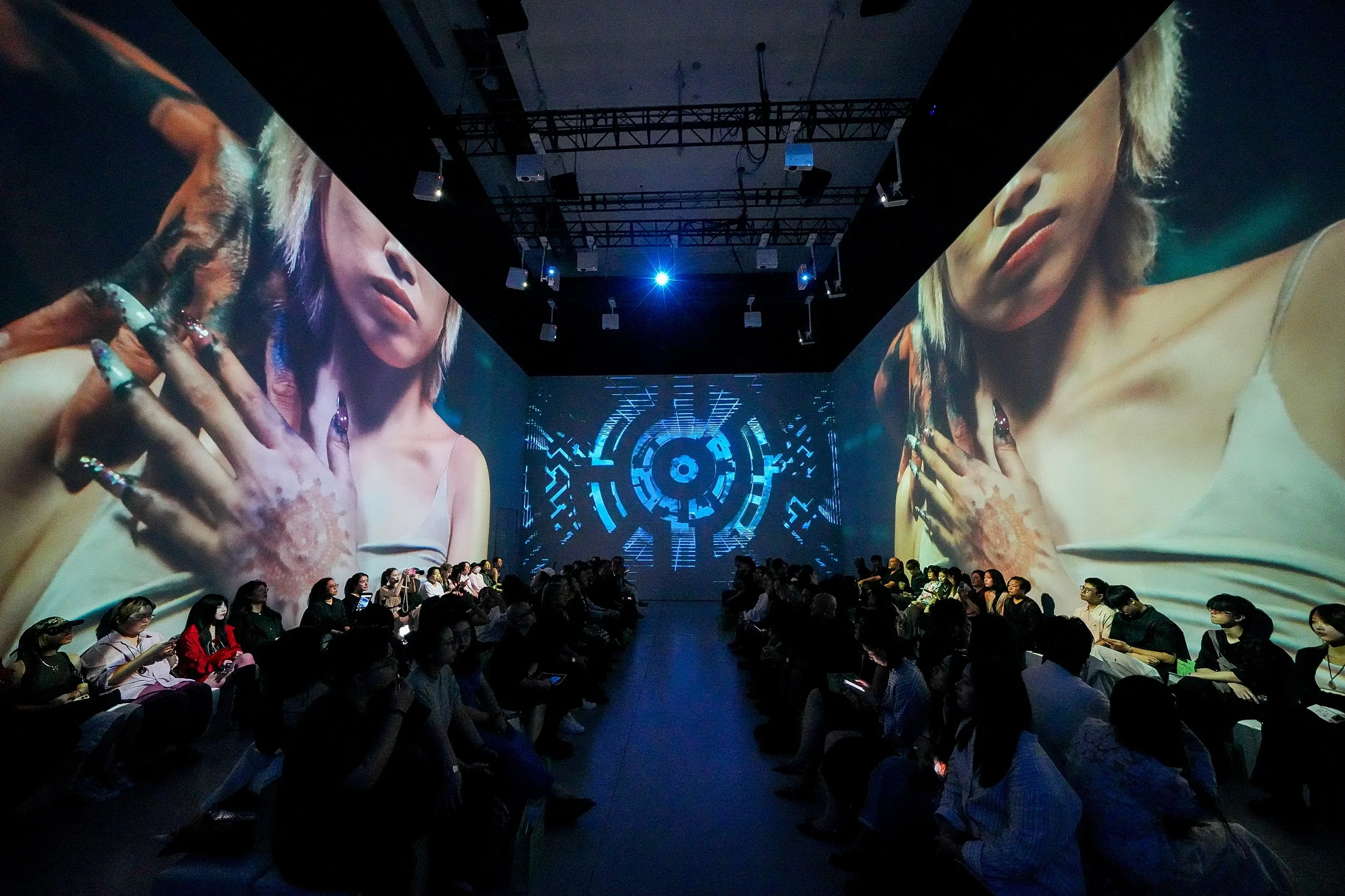
Presented in Shanghai on September 8, the 2026 Graduate Fashion Show from Istituto Marangoni Shanghai moved deliberately beyond the familiar choreography of models, audience and runway. Instead, fashion became one part of a larger environment shaped by projection, film, architecture, light and spatial storytelling.
The result was less a conventional graduate presentation than an attempt to imagine what the fashion experience itself might become.
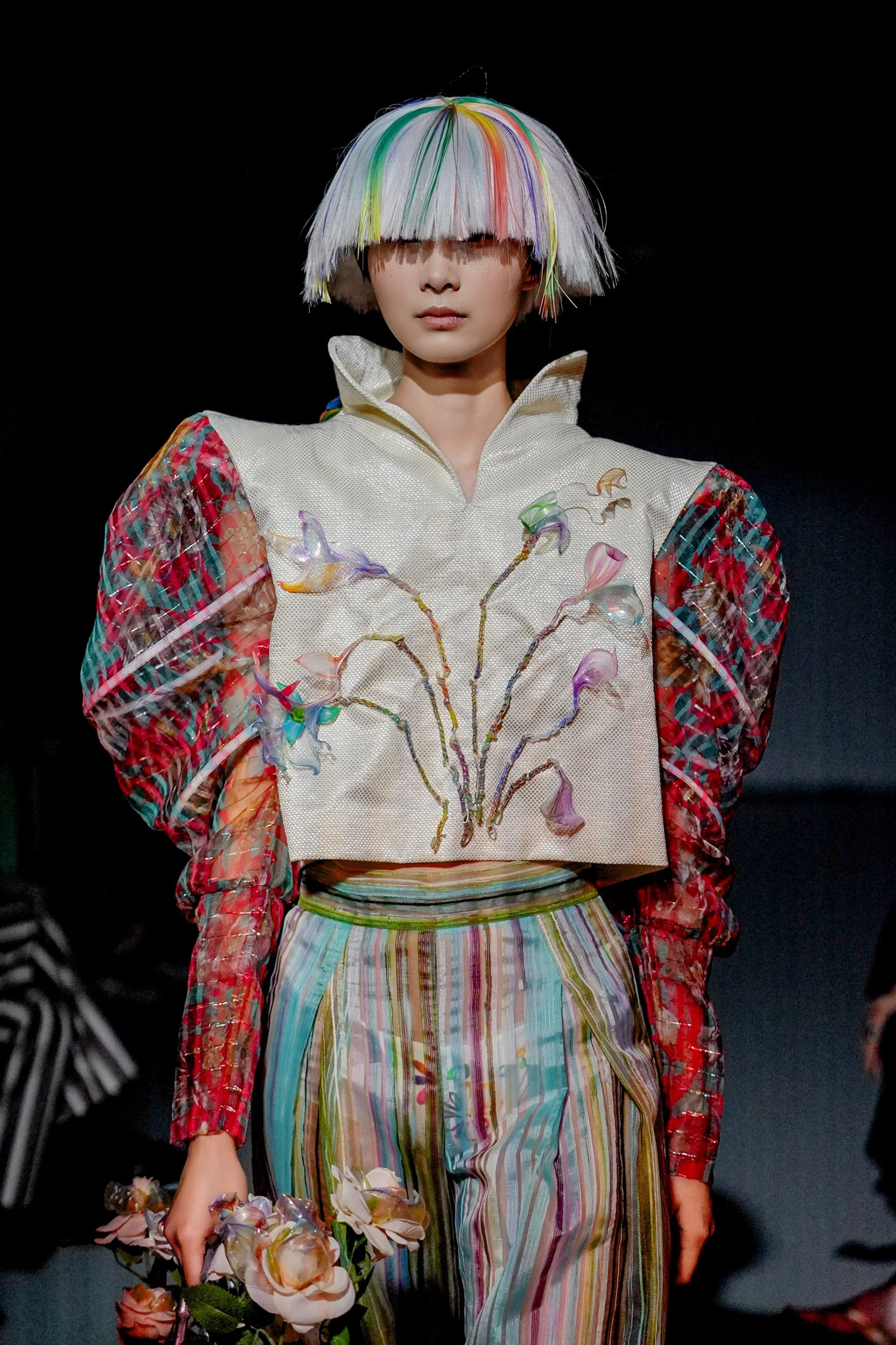
Fashion Beyond the Garment
At the centre of VIA NOMADIS is an increasingly relevant proposition: that fashion no longer ends with the object.
For this generation of graduates, a collection may begin with fabric and silhouette, but its world now extends into image-making, technology, cultural research, retail environments and the ways audiences physically encounter a brand.
The show approached this through two recurring ideas, Immersive Retail and Editorial Retail, treating presentation not as decoration around the collections but as another form of authorship.
Graduate work, moving image, installations and digital environments were brought together as interconnected parts of the same narrative. The physical runway became porous, somewhere between exhibition, fashion show and imagined future store.
It is a direction already embedded within the Shanghai school, where fashion design sits alongside Fashion Communication & Image and Fashion Business, creating an environment increasingly concerned with how fashion is contextualised as much as how it is made.
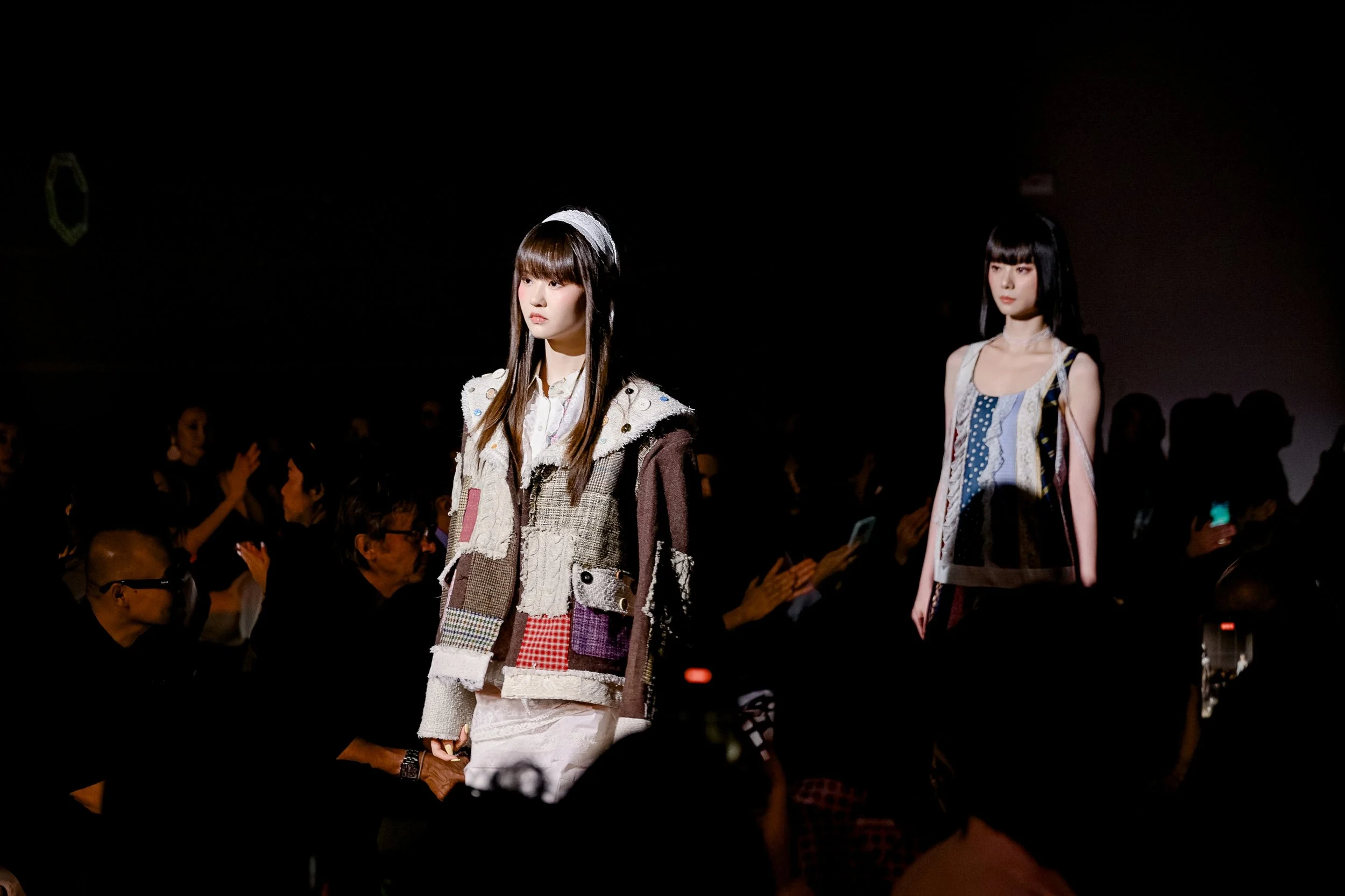
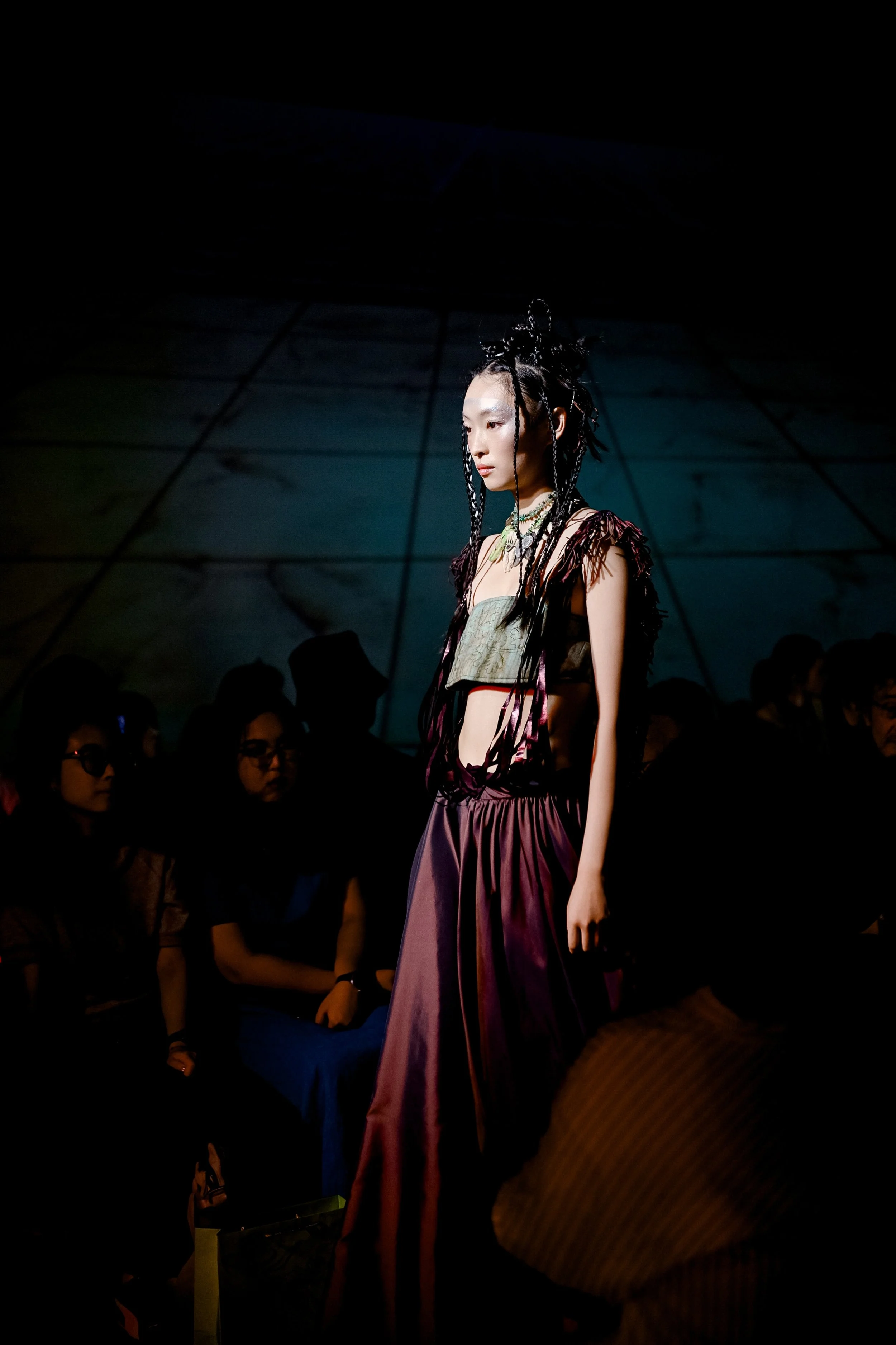
Inside VIA NOMADIS
With technical and spatial support from Temple of Light, VIA NOMADIS unfolded through three environments: the Infinity Room, Hallway and Immersive Room.
Before the runway itself began, audiences encountered the digital experience MUTATIONS. From there, the presentation moved between increasingly layered spaces.
In the Infinity Room, mirrored walls multiplied bodies and moving images into what appeared to be an endlessly extending environment. An accompanying art film, developed from research by Fashion Communication & Image students, drew on the mythology of the Minotaur and Ariadne.
Here, the labyrinth became less architectural than psychological. Memory, desire, contradiction and uncertainty formed an interior landscape, while Ariadne's thread was reimagined as a metaphor for memory, intuition, cultural transmission and the search for direction.
Clothing operated within this idea as a changing “second skin”, something capable of following the wearer through shifting identities rather than simply defining one.
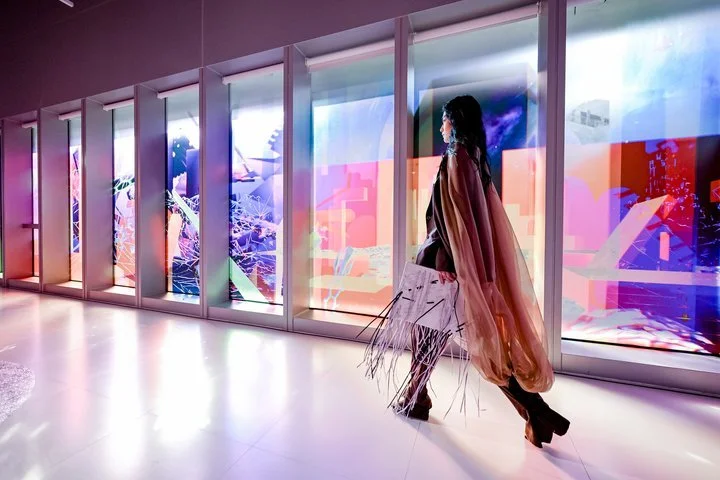
The Hallway reduced the distance again. Models moved through a glass-lined passage, placing greater focus on the graduate collections while semi-transparent imagery interacted with the surrounding exterior.
Then came the Immersive Room.
Panoramic projection across four walls and the floor transformed details extracted from the students' collections, including colour, texture and embellishment, into enlarged virtual landscapes. On the show imagery, bodies and garments sit almost inside the projections, making the digital environment feel less like a backdrop than an extension of the clothes themselves.
Temple of Light specialises in this type of immersive environment and operates projection-based spaces across Asia, including Shanghai, with its work combining large-scale projection, spatial sound and experiential installation.
Ten Designers, Ten Directions
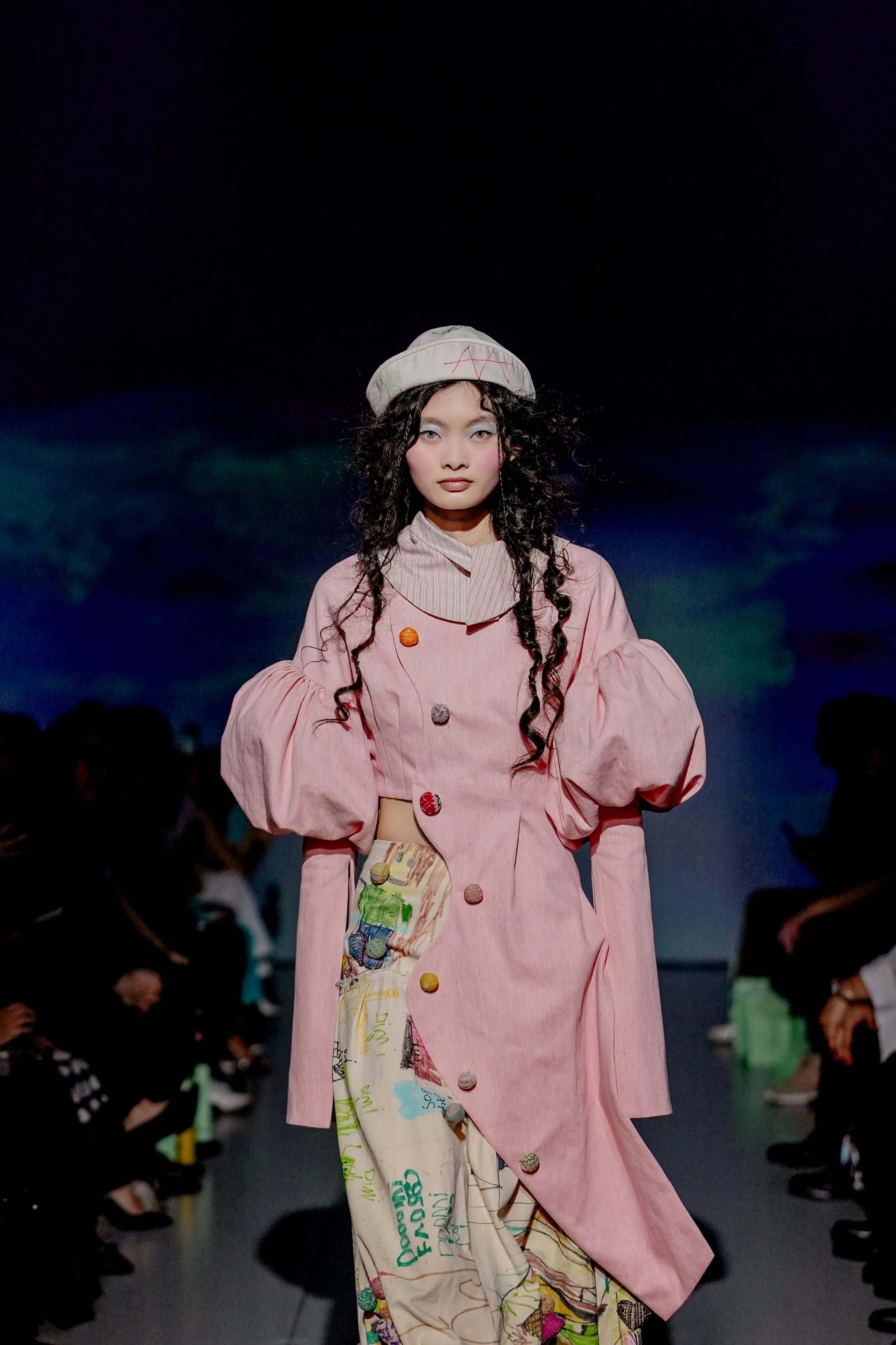
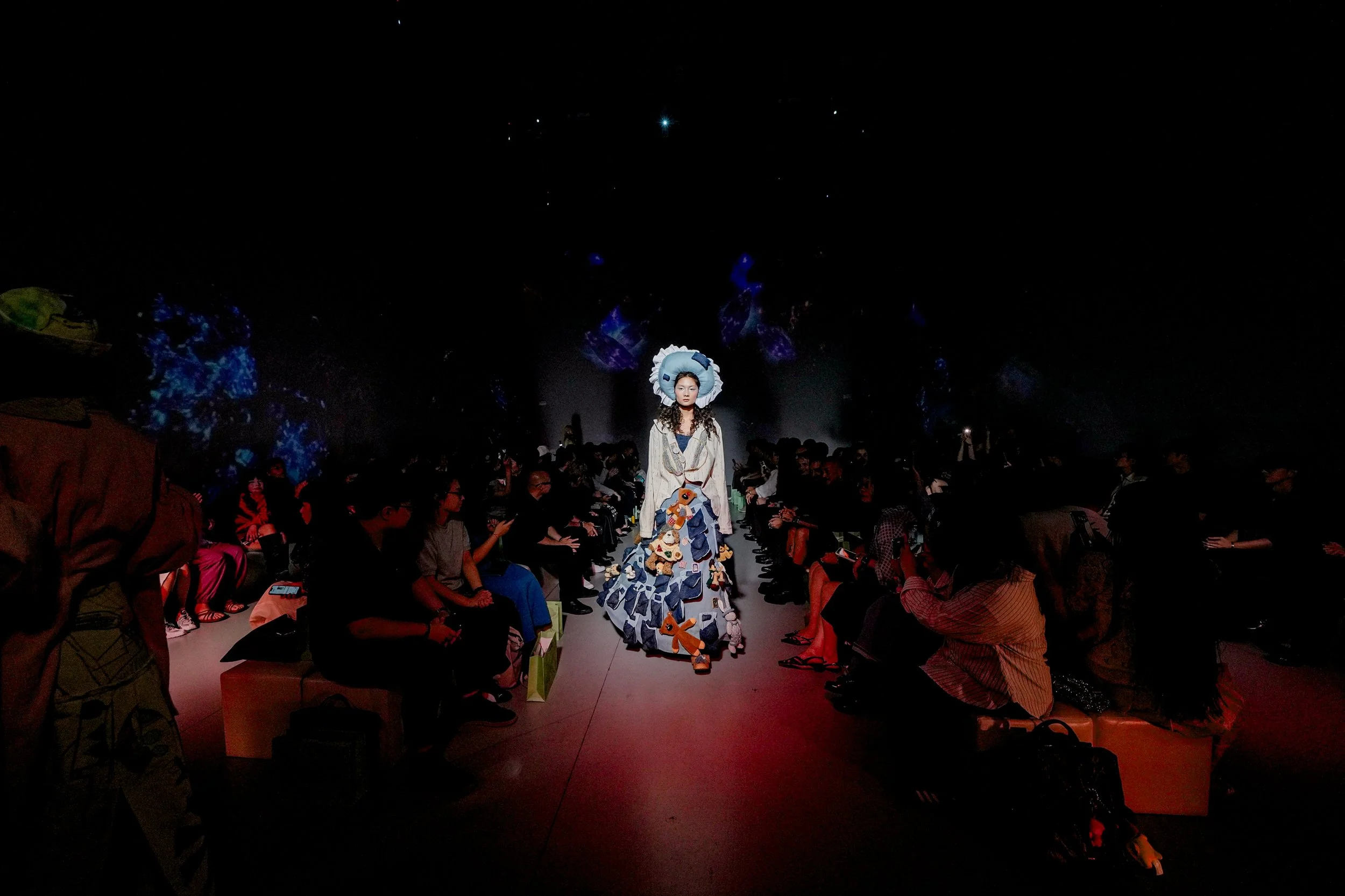
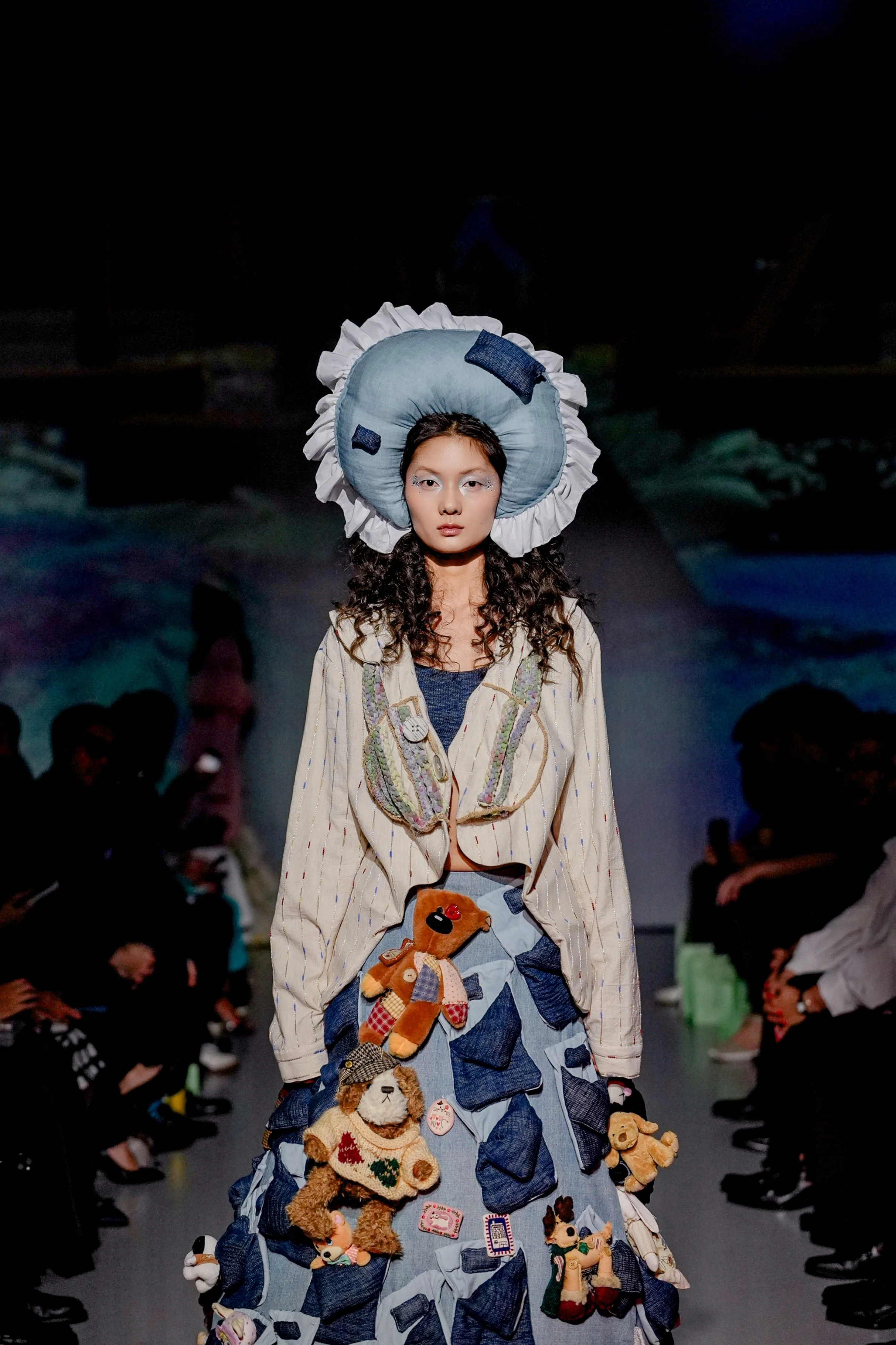
The 2026 graduate presentation brought together collections by Ao Dongwei, Chen Qianyu, Chen Xinyan, Chen Yikun, Chu Jiayu, Liu Ziqi, Natlie Sung, Qin Ruiyang, Sun Jiaxue and Wang Yanfei.
Although united by the language of movement, exploration and identity, the intention was not to create a single school aesthetic. Instead, VIA NOMADIS positioned individuality as the point. That distinction matters.
Fashion schools can easily become recognisable through a particular visual language, but the stronger argument made here is that education should give young designers enough technical and conceptual structure to ultimately move away from it.
Industry entered that process directly. Luxury textile house Scabal supported one of Qin Ruiyang's looks with fabric, while materials company SynMetabio contributed to a complete look by Liu Ziqi as well as accessories developed by Qin Ruiyang and Natlie Sung.
For emerging designers, these collaborations create an important bridge between experimentation within education and the material realities of producing fashion outside it.
Where Fashion Turns Next
The question hanging over graduate fashion today is no longer simply who will become the next successful designer. It is what a designer will actually be expected to become.
The traditional boundaries of the role are already dissolving. Fashion now moves through image-making, technology, material research, spatial design, performance, retail, film and digital culture as much as it does through the construction of garments. For a new generation entering the industry, versatility is no longer an extra skill. It is part of the language.
That shift also changes how talent is recognised. The strongest emerging voices may not be those presenting the most immediately commercial collection, but those able to build a distinct point of view and translate it across different formats, collaborators and systems.
Material innovation will become increasingly important within that conversation. So will the ability to work between craft and technology without treating one as the replacement for the other. The future of fashion is unlikely to sit entirely inside the digital or entirely inside the handmade. More interesting possibilities appear where the two begin to inform each other.
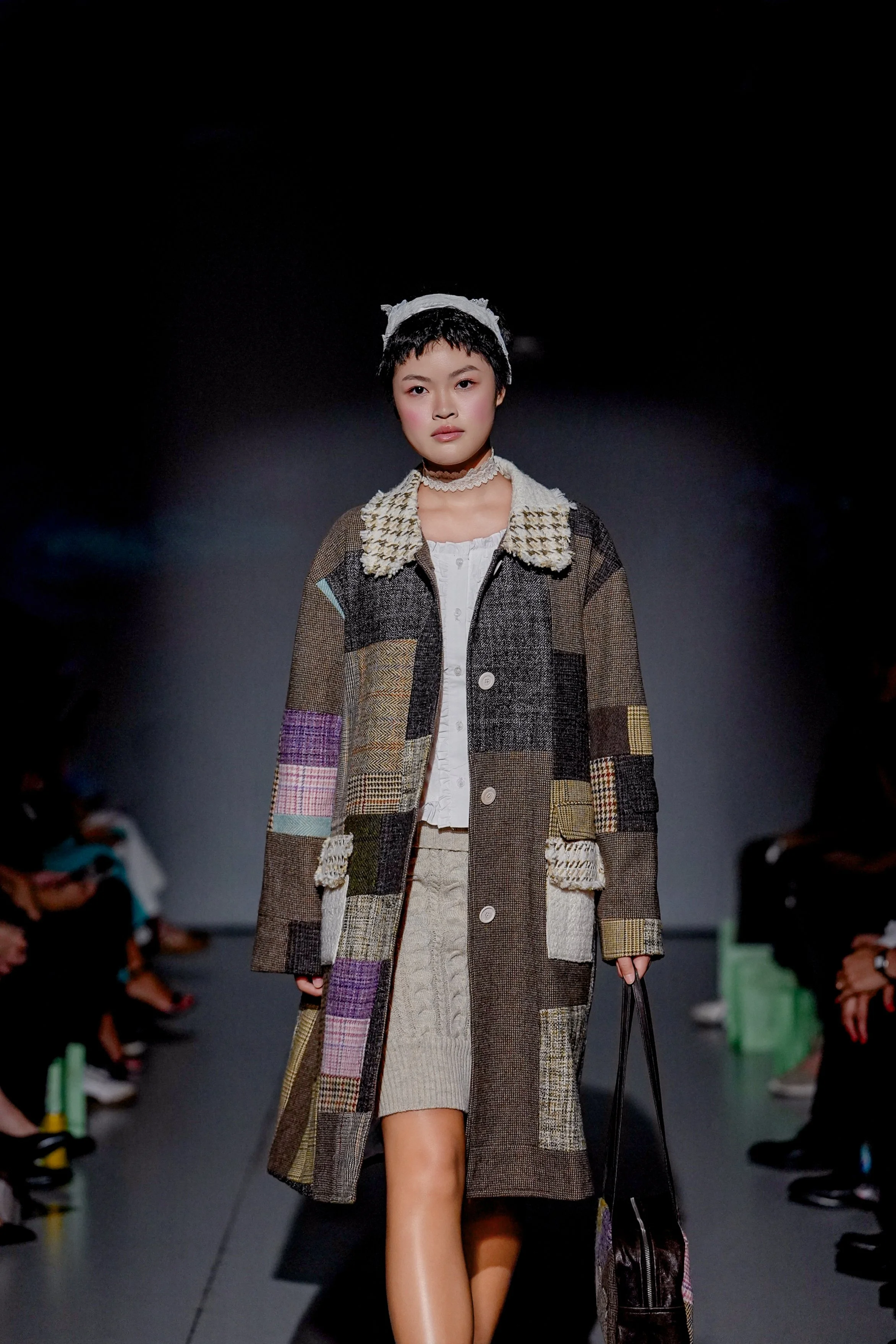
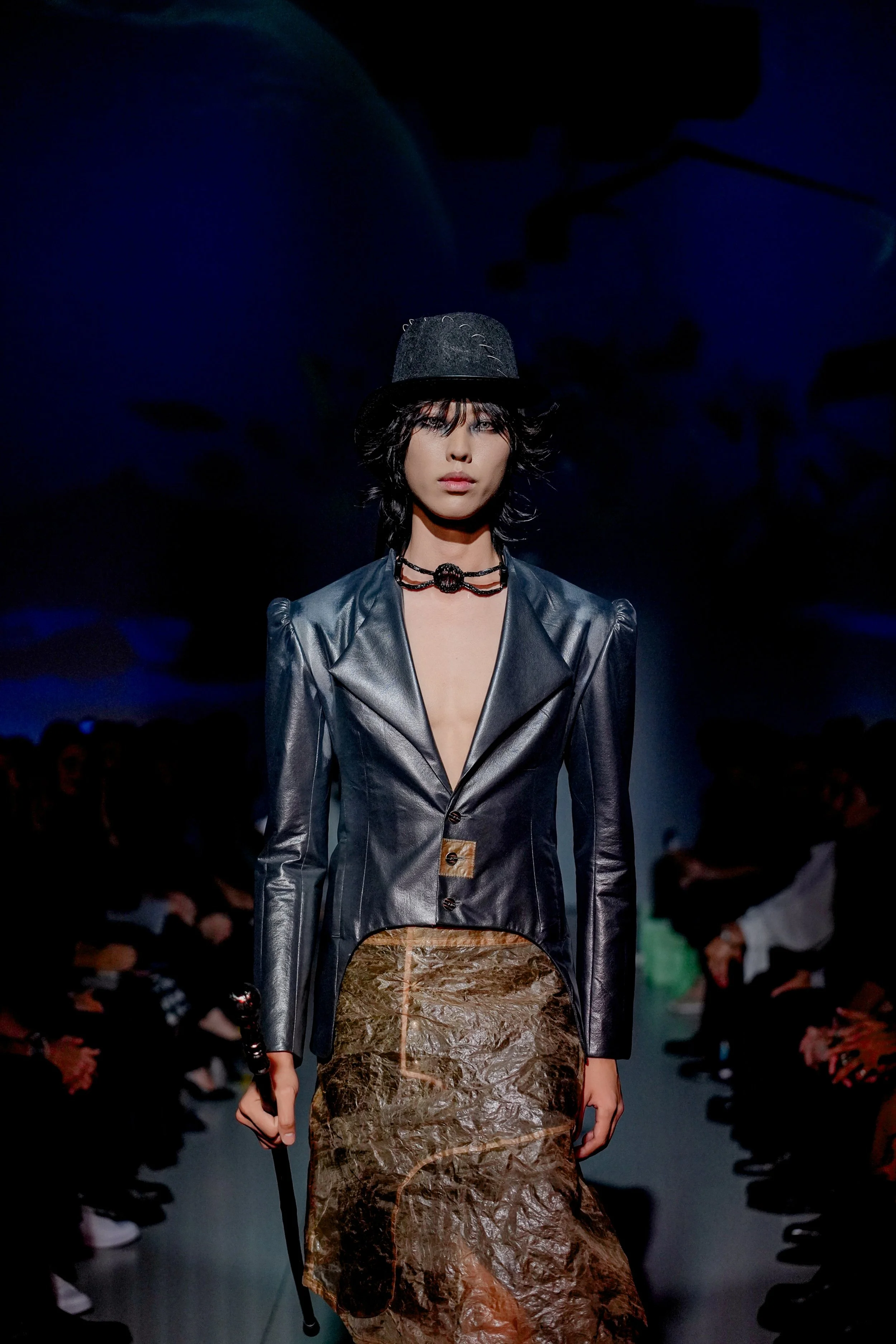
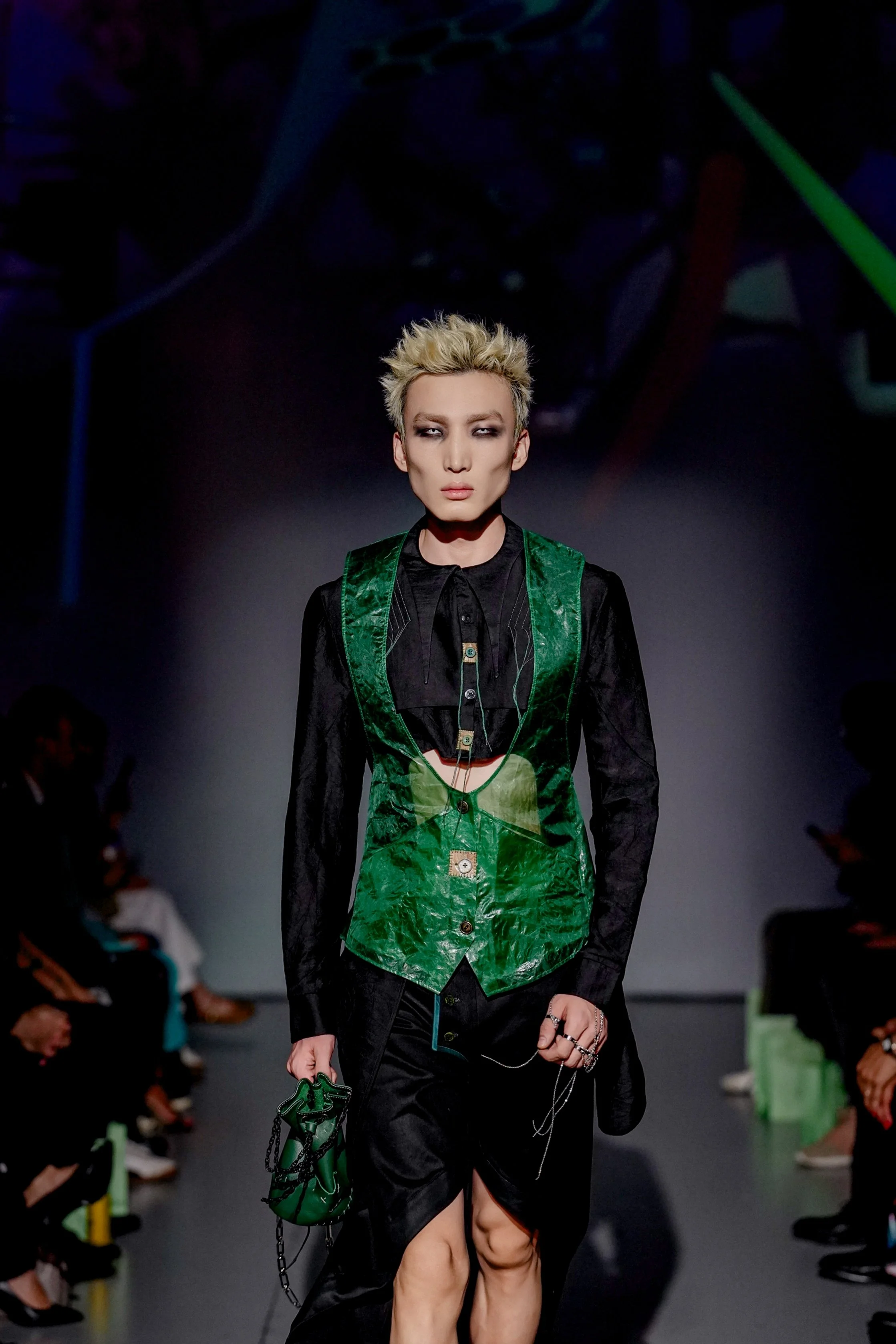
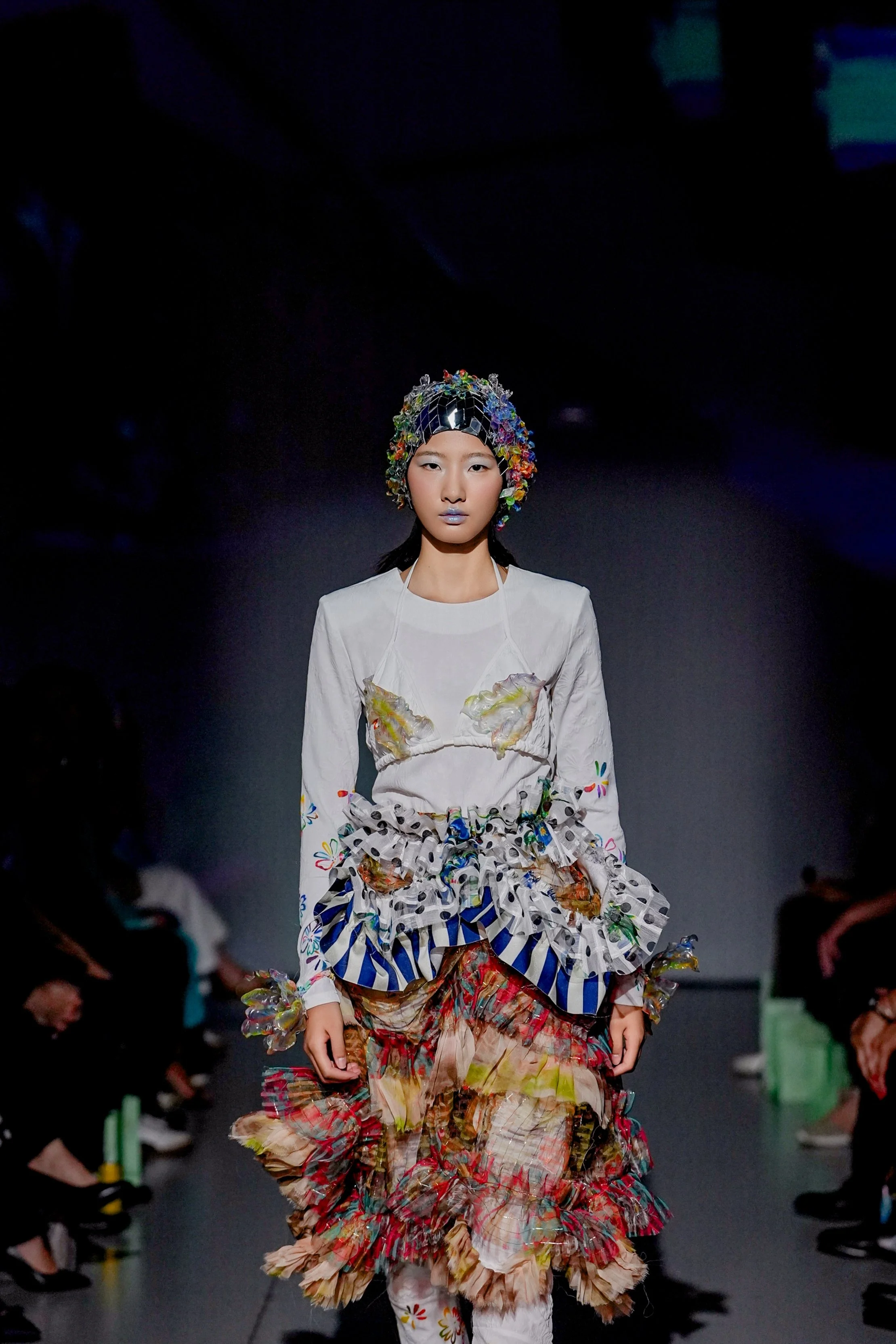
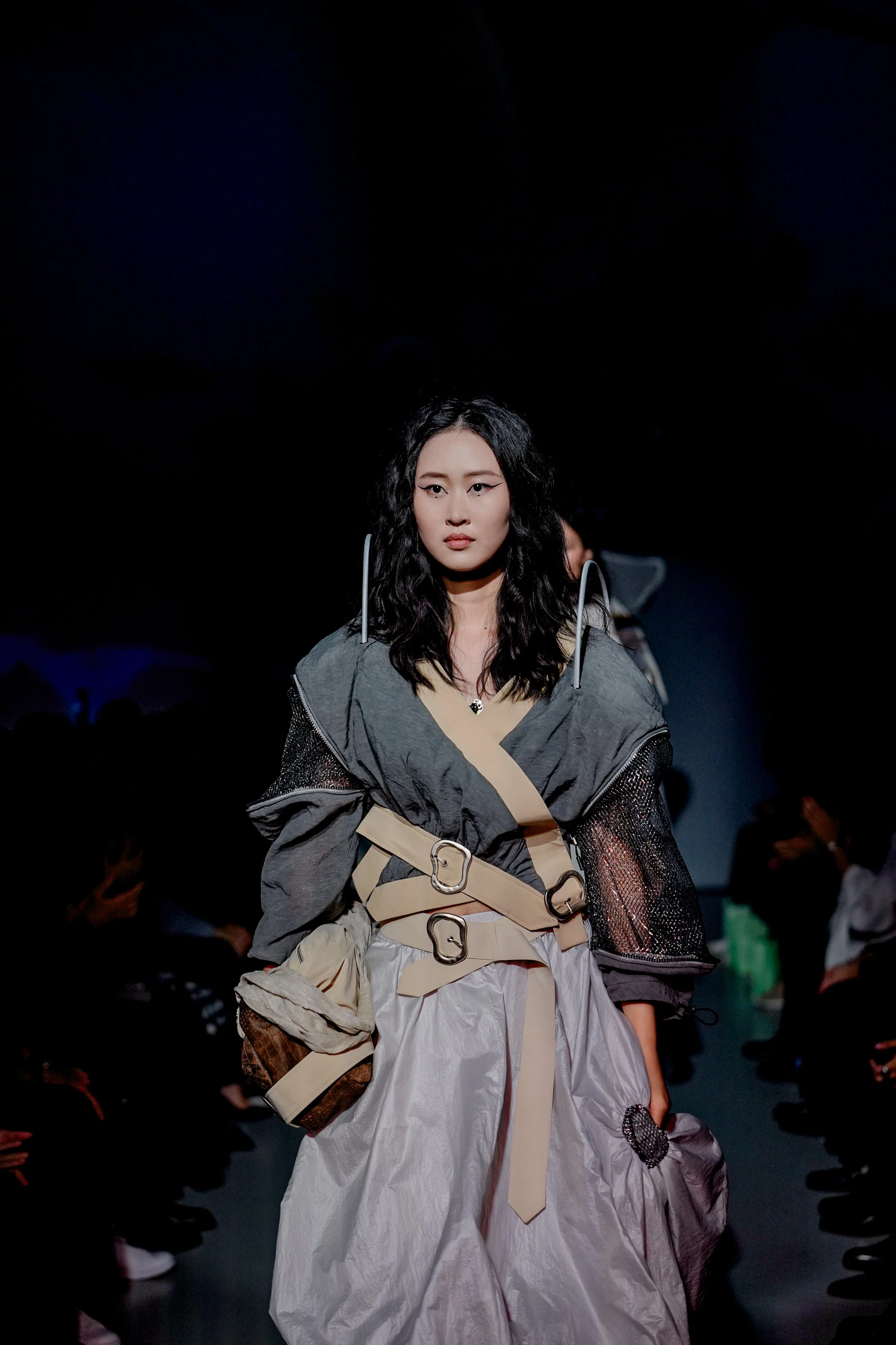
There is also a wider cultural shift taking place. Younger designers are entering fashion with different expectations around identity, ownership, sustainability and what a career should look like. Many will move between independent practice, established houses, interdisciplinary studios and projects that may not fit comfortably beneath the traditional definition of a fashion brand.
This may ultimately be where VIA NOMADIS feels most relevant.
Its language of movement does not only describe the collections. It describes the industry these designers are entering.
Fashion's next chapter may be less concerned with arriving at a fixed destination than with developing the ability to move, adapt and remain recognisable while everything around it changes.
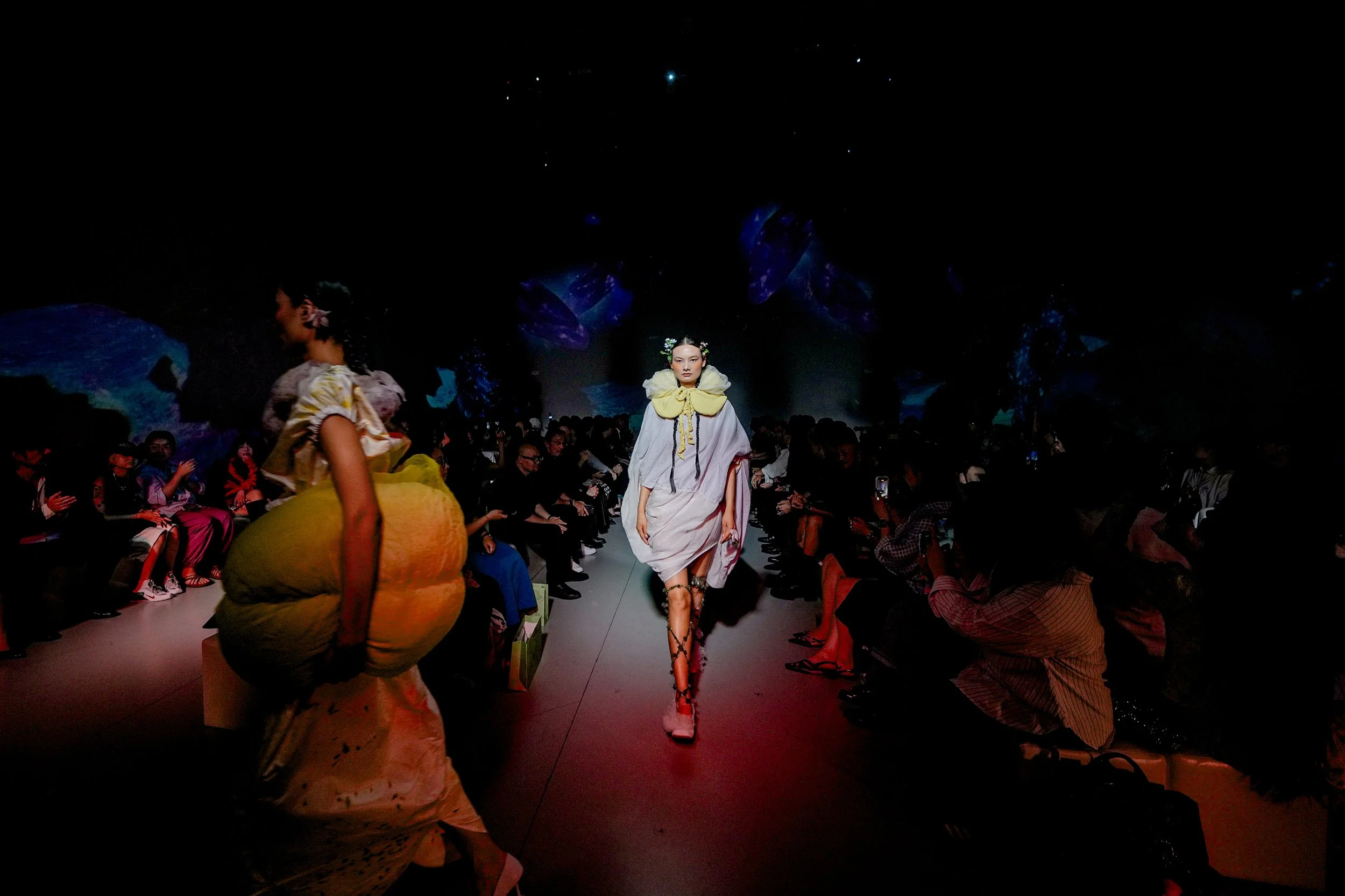
Presentation: VIA NOMADIS
Institution: Istituto Marangoni
Spatial & Digital Collaboration: Temple of Light
Industry Partners: Scabal · SynMetabio
Designers: Ao Dongwei, Chen Qianyu, Chen Xinyan, Chen Yikun, Chu Jiayu, Liu Ziqi, Natlie Sung, Qin Ruiyang, Sun Jiaxue, Wang Yanfei