Prada’s Holiday 2026 campaign, Drawing Prada: Animated by Hand, raises a compelling question about the future of creativity. When almost anything can be generated instantly, does the time, effort and human imagination behind an image become its greatest luxury?
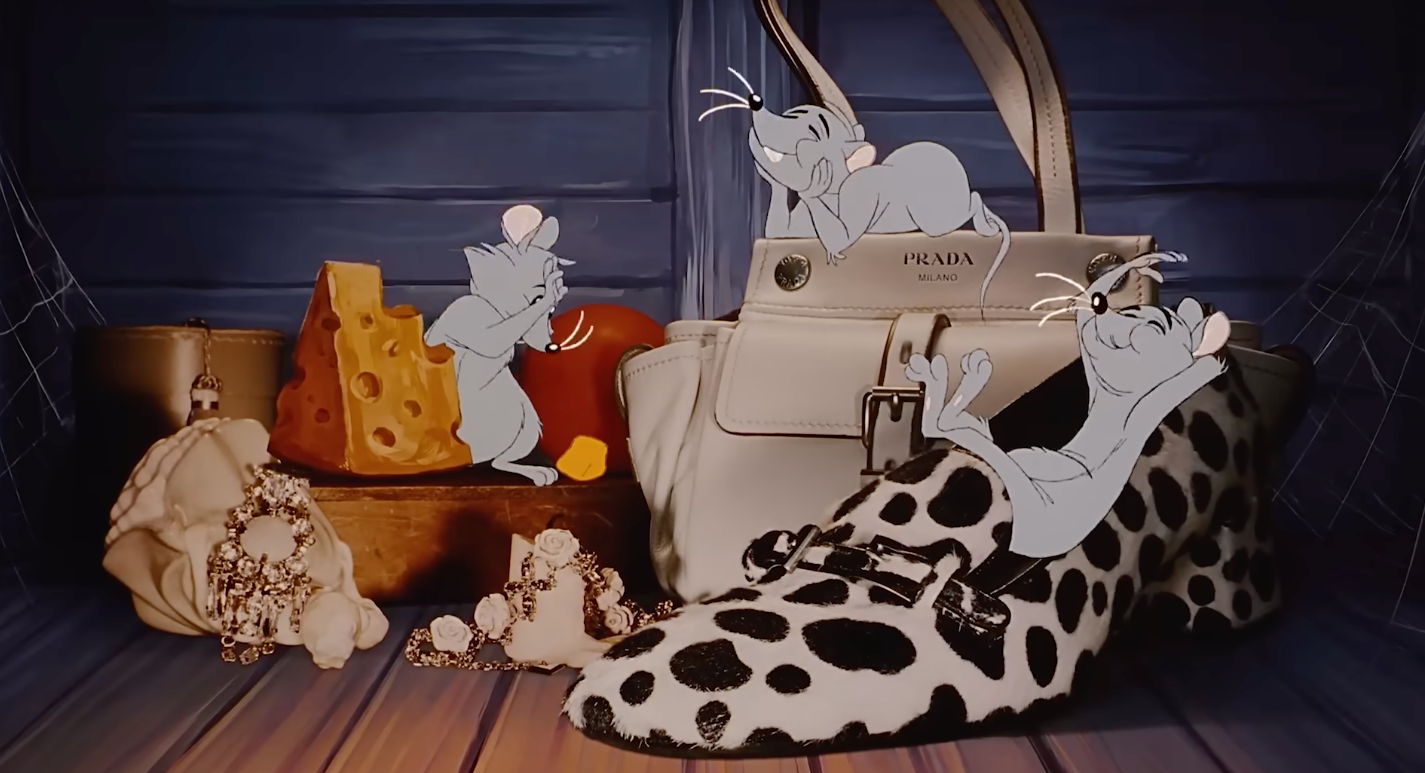
Prada Holiday 2026 campaign. Image: Prada
Images have never been easier to produce. With generative artificial intelligence, elaborate visual worlds can emerge in seconds, complete with cinematic lighting, impossible landscapes and an increasingly convincing imitation of artistic craftsmanship. Yet as the volume of content continues to grow, something else becomes more difficult to find: a genuine sense of human presence.
For its Holiday 2026 campaign, Prada has chosen an unexpectedly traditional approach. Instead of pursuing the speed and apparent perfection of AI-generated imagery, the Italian fashion house has placed hand-drawn animation at the centre of its visual storytelling. The result, Drawing Prada: Animated by Hand, feels particularly relevant to a creative industry reconsidering what originality, craftsmanship and luxury mean in an increasingly automated world.
And perhaps the most interesting aspect of the campaign is not simply what Prada has created, but why the decision to create it this way matters.
A World Drawn by Human Hands
Under the creative direction of Miuccia Prada and Raf Simons, the campaign brings together live-action photography and traditional illustration, placing actors Maya Hawke, Sadie Sink, Chen Haoyu, Luther Ford and Kelvin Harrison Jr. within whimsical, storybook winter landscapes.
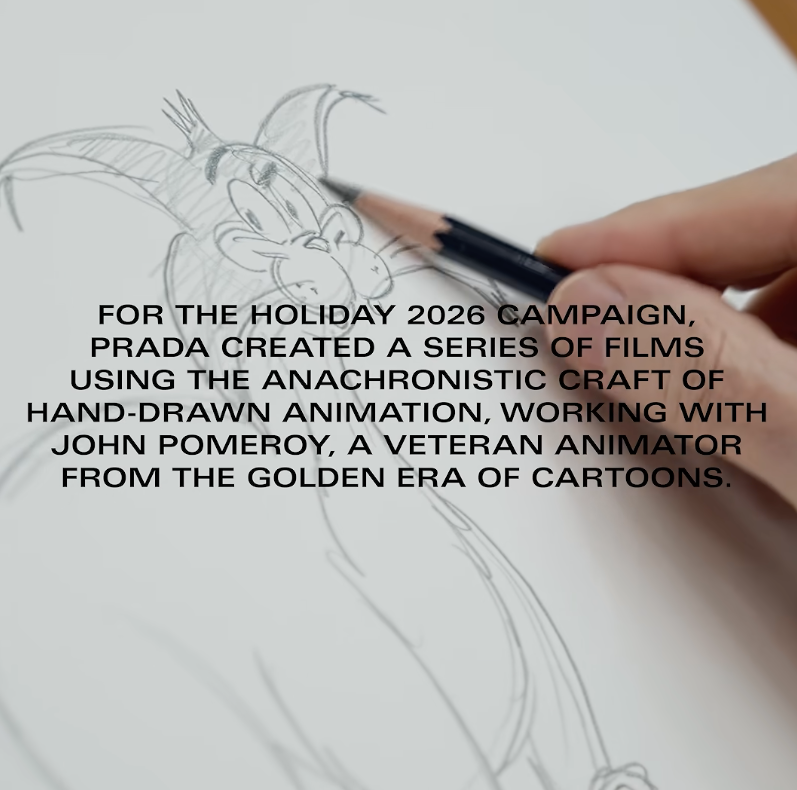
The illustrations are led by veteran animator John Pomeroy, whose career stretches across more than five decades of traditional animation, including work on The Land Before Time and Disney's Pocahontas.
Rather than constructing these worlds entirely through digital image generation, Pomeroy and his team returned to pencil, paper and the painstaking development of movement through individual drawings. Each illustrated character requires a series of creative decisions about expression, personality and motion.
Photographed and directed by Glen Luchford, the live-action sequences are composed with lighting and perspective that respond to the illustrated environments, allowing the real and imaginary to exist within the same visual language.
The finished campaign is charming, nostalgic and deliberately fantastical. Yet the accompanying behind-the-scenes film introduces another dimension. It reveals the people, techniques and accumulated knowledge that make the illusion possible.
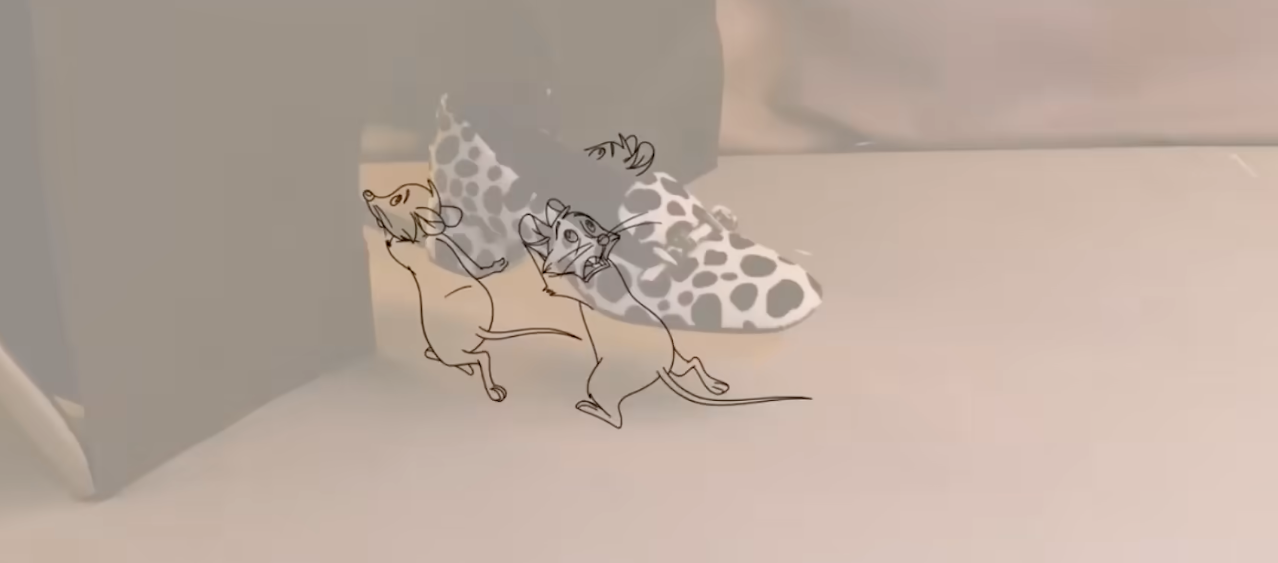
Prada Holiday 2026 campaign. Image: Prada
When Effort Becomes a Form of Luxury
Luxury has always maintained a complicated relationship with time. A beautifully constructed garment, a carefully finished leather accessory or an object made through generations of specialised knowledge carries value beyond its immediate function. Part of that value comes from the understanding that someone has devoted attention, ability and experience to its creation. Advertising traditionally communicates these qualities through the finished product. Prada's campaign extends that philosophy to the advertisement itself.
In an environment where sophisticated images can be produced with increasingly little manual intervention, the visible investment of human effort acquires a different significance. The process becomes part of the message. This does not mean that spending more time on something automatically makes it better. Nor does it suggest that new technologies are incapable of producing meaningful creative work. AI can be a powerful instrument in the hands of an artist with a distinctive vision.
But there is a difference between generating an aesthetically convincing result and developing a piece of work through a particular artistic practice, informed by years of experience, experimentation and individual judgement. Prada makes that distinction visible.
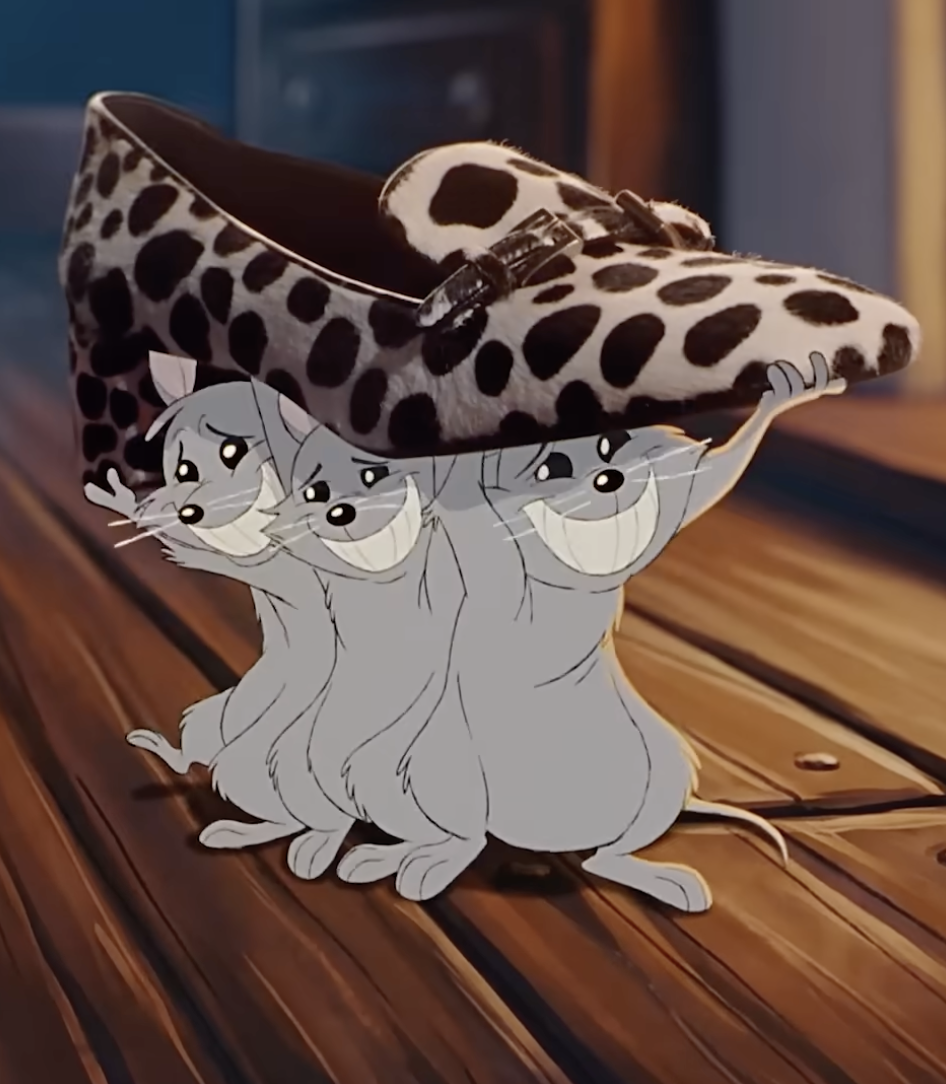
The Problem With Infinite Content
The wider advertising industry is moving rapidly in the opposite direction.
According to the Interactive Advertising Bureau's 2026 research, nearly two-thirds of surveyed digital video advertising buyers already use generative AI to produce creative content. The commercial advantages are clear: faster production, reduced costs and the ability to create variations at a scale previously unimaginable.
Yet efficiency introduces a cultural question. When almost anyone can produce an extraordinary-looking image, what makes that image extraordinary? Visual sophistication alone can no longer guarantee distinction. The familiar language of luxury advertising, with its polished surfaces, dramatic compositions and seemingly impossible environments, is becoming easier to reproduce.
The challenge for creative brands is therefore changing. Producing beautiful content is no longer enough. They must communicate why their imagery deserves attention and what separates it from the endless stream of visual material competing for the same audience. There is an important distinction between an image that merely looks expensive and one that carries evidence of an artistic idea.
This is where Prada's decision becomes especially interesting. By revealing the artistic process rather than hiding it, the house offers viewers something beyond an appealing visual outcome: a sense of authorship.
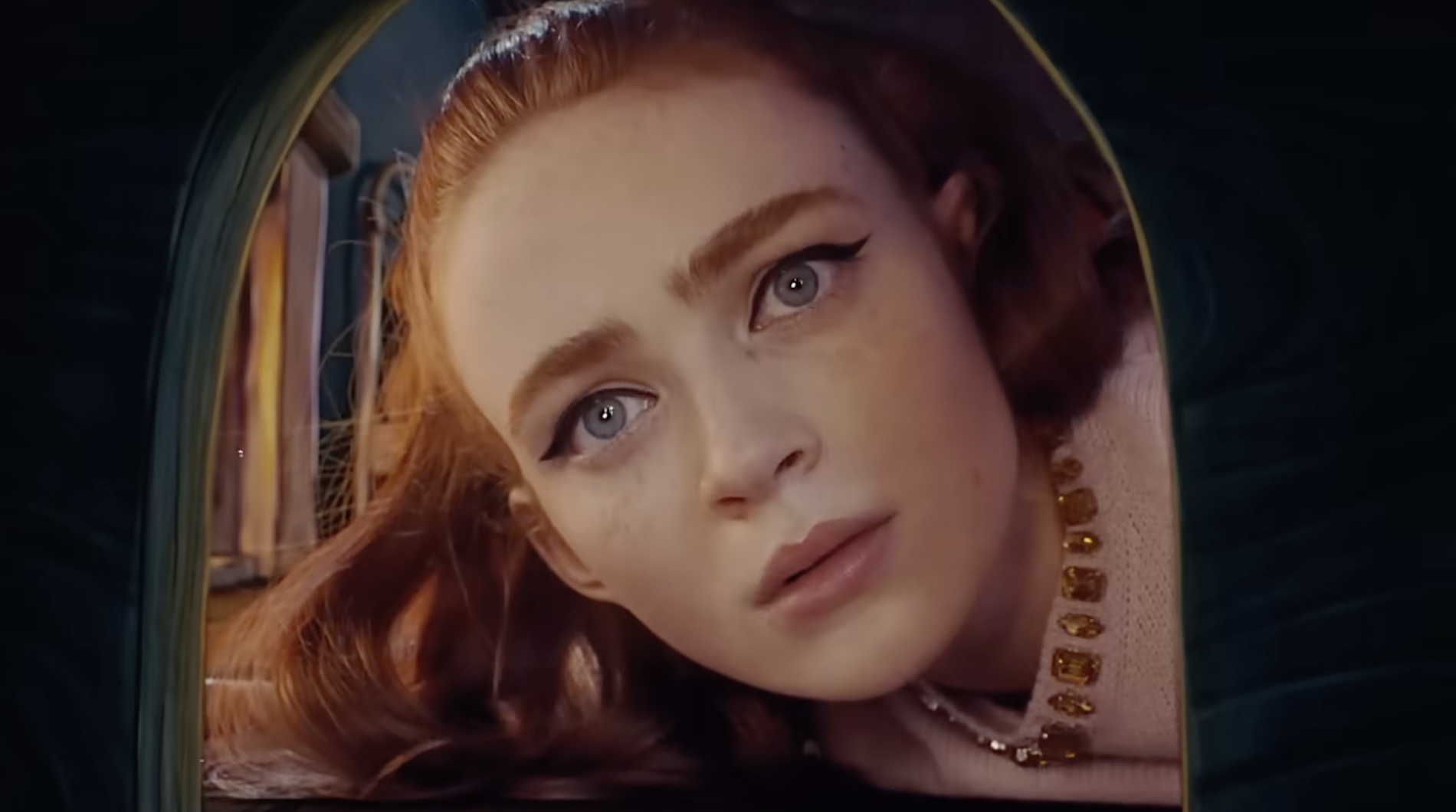
Prada Holiday 2026 campaign. Image: Prada
Human Creativity Is Not the Opposite of Technology
It would be tempting to describe Drawing Prada as an outright rejection of artificial intelligence. But that interpretation would overlook Prada's own willingness to explore emerging creative technologies. Earlier in 2026, the house's collaboration with artist Jordan Wolfson generated discussion around AI and digital imagery. Prada subsequently clarified that AI had been used in post-production rather than as the original creative premise.
The contrast makes the Holiday campaign more interesting, not less. The meaningful distinction is not necessarily between analogue and digital methods. It is between technology used in service of a considered creative vision and technology used simply because it makes production easier. The future of creativity is unlikely to depend on abandoning AI altogether. Instead, it may depend on knowing when to use it, when not to, and what remains worth creating through the human hand.
For luxury brands in particular, that choice matters. Their cultural identity depends not only on what they make, but on the values demonstrated through how they make it.
What Will We Value Next?
Perhaps the most powerful element of Prada's campaign is its willingness to make the creative journey visible. The pencil marks, the individual drawings, the artists at work and the gradual transformation of an idea into movement offer something that the finished image alone cannot fully communicate. They give the audience a relationship with the creation itself.
As artificial intelligence becomes more sophisticated, the boundary between human-made and machine-generated imagery may become increasingly difficult to recognise simply by looking. In that environment, authorship, transparency and the story behind the work may become important indicators of creative value. And there is a broader lesson here, extending beyond fashion to photography, illustration, filmmaking and editorial publishing. The objective should not be to compete with machines over how quickly content can be produced. It should be to create work that has something worth saying, with a distinctive perspective and the integrity to support it.
Prada's hand-drawn campaign does not offer a complete answer to the future of AI in creative industries. But it raises a necessary question about what we choose to preserve as technology transforms the ways we work.
Because the value of a human-made image is not simply that it took longer to create. It is that somebody cared enough to make it that way.
Campaign: Drawing Prada: Animated by Hand | Holiday 2026
Creative Directors: Miuccia Prada and Raf Simons
Photography and Direction: Glen Luchford
Animation Direction: John Pomeroy
Campaign Creative Direction: Ferdinando Verderi
Featuring: Sadie Sink, Maya Hawke, Chen Haoyu, Luther Ford, Kelvin Harrison Jr.
Film stills and imagery courtesy of Prada.