2026 TAIWAN FASHION DESIGN AWARD: SIX DESIGNERS SHAPING THE FUTURE OF FASHION
Double-click to edit...
From experimental craftsmanship to personal narratives and sculptural construction, the 40th edition of the Taiwan Fashion Design Award introduces a new generation of designers challenging the boundaries of contemporary fashion.
Fashion's future is rarely defined by a single aesthetic. It emerges through the individual perspectives of designers willing to question established conventions, experiment with materials and reconsider the relationship between clothing, identity and culture.
For its landmark 40th edition, the 2026 Taiwan Fashion Design Award (TFDA) brought together 530 emerging designers from 25 countries and regions, culminating in a final presentation of 12 collections during Taipei Fashion Week.
Announced on 14 October at Heritage Square, Kong Zong Cultural Base in Taipei, this year's awards recognised creativity across conceptual development, craftsmanship, fabric innovation and commercial potential. The collections presented a diverse picture of contemporary fashion, from sculptural silhouettes and experimental material treatments to personal narratives and explorations of the relationship between body and garment.
LEO WHITEHOUSE | AUSTRALIA
Third Prize: Best Market Potential
Collection: Crash | US$3,000
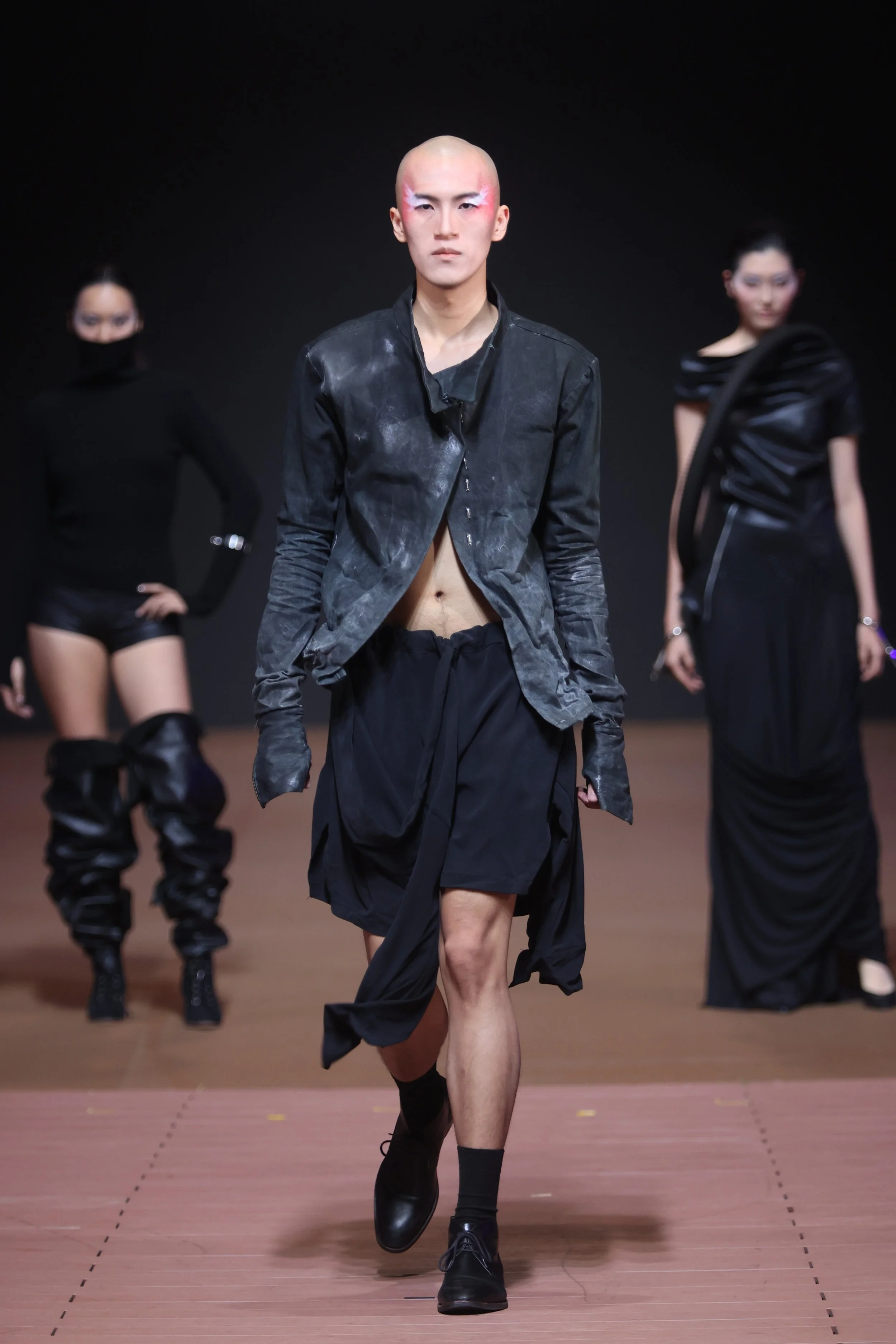
Fashion has always been fascinated by speed, technology and the relationship between humans and machines. For Australian designer Leo Whitehouse, those ideas become the starting point for Crash, a collection recognised for its commercial potential at the 2026 Taiwan Fashion Design Award.
Drawing inspiration from automotive culture, protective clothing and the aesthetics of mechanical impact, Whitehouse explores the contradictions between functionality and distortion.
In a previously published interview with to Be Magazine, the designer discussed his fascination with the acceleration of contemporary life and the influence of David Cronenberg's film adaptation of J.G. Ballard's Crash. His collection incorporates references to motorcycle armour, flight jackets and garments altered to suggest physical impact.
What makes the project particularly interesting is its relationship with everyday dressing. Rather than abandoning functionality, Whitehouse reinterprets familiar garments through exaggerated proportions, altered surfaces and unconventional construction.
The award for Best Market Potential acknowledges a critical challenge for emerging designers: creating work that retains its conceptual identity while establishing a place within the commercial fashion landscape.
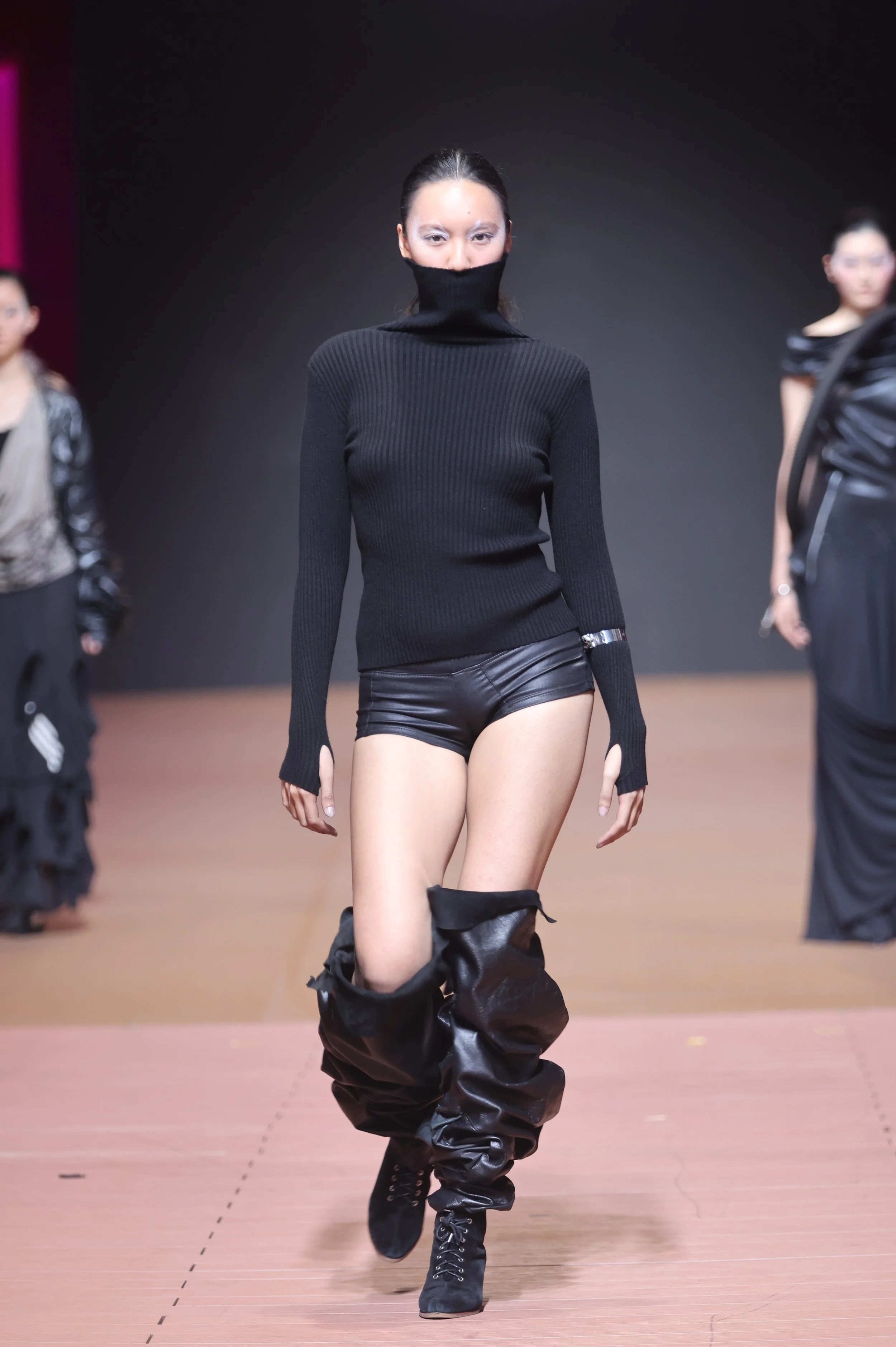
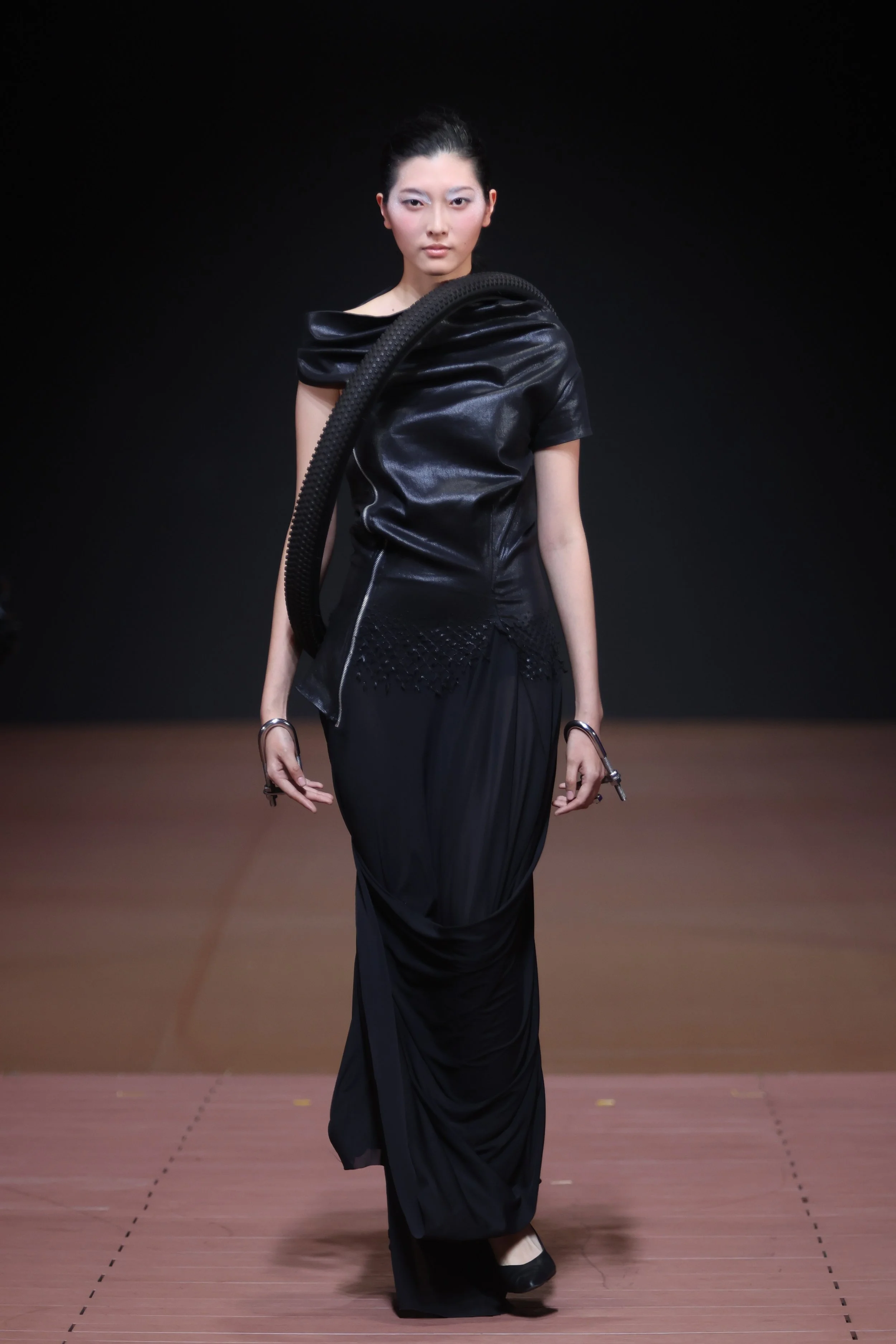
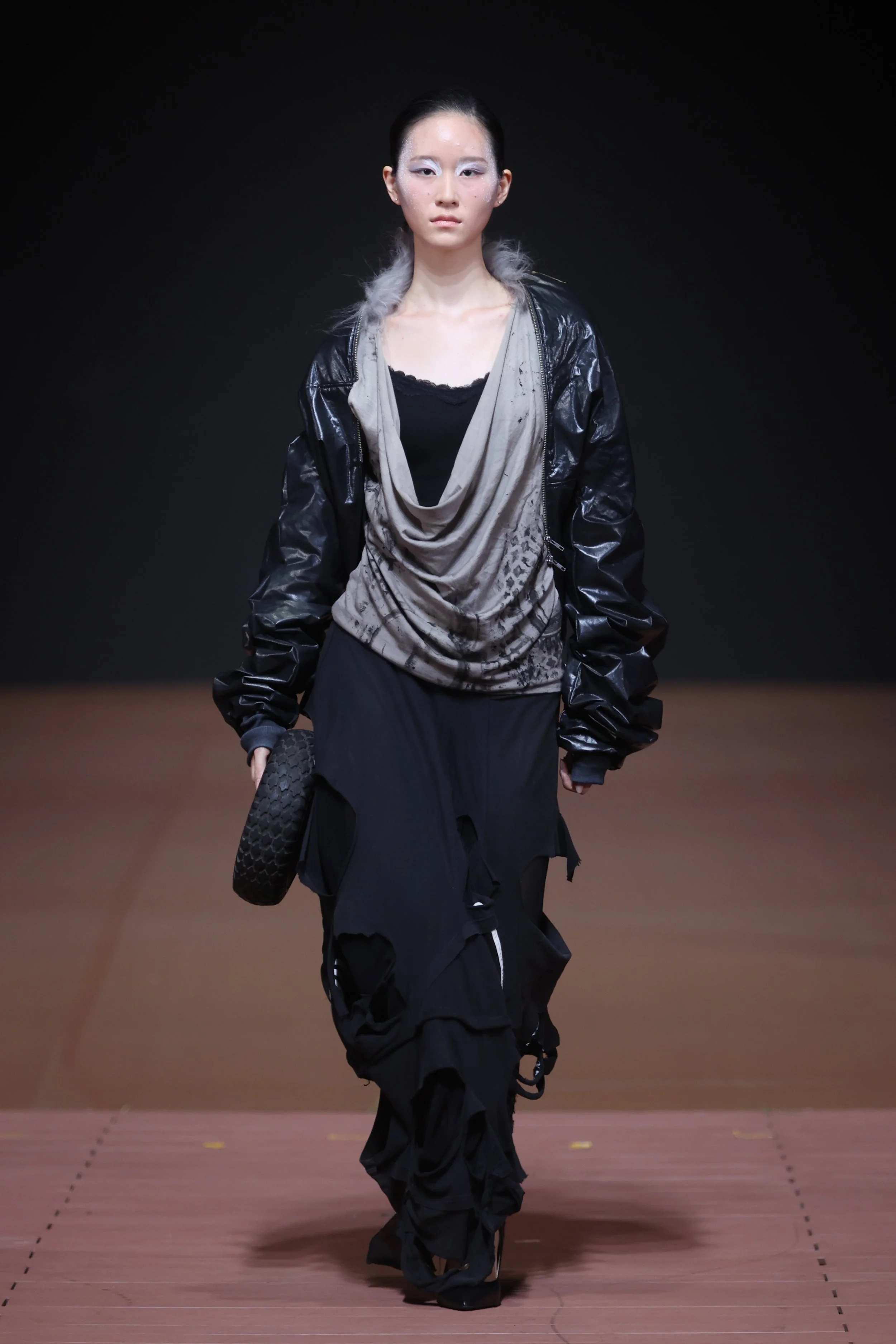
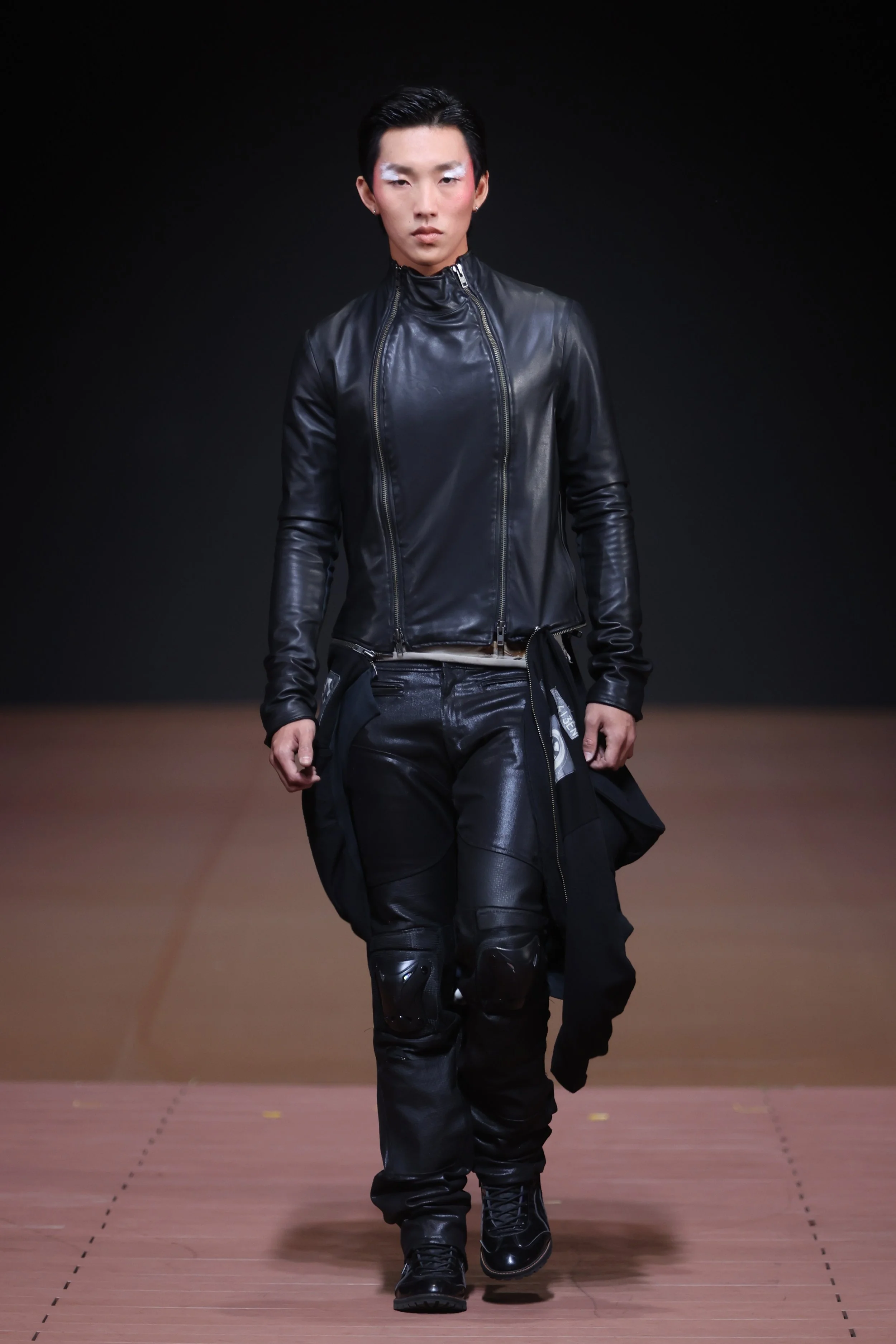
Collection: Crash
Award: Best Market Potential, Third Prize
Designer Interview ↗
Official TFDA Profile ↗
JAEHEE KWON | SOUTH KOREA
Third Prize: Best Pattern Making
Collection:
Schuroop (It's rainy, but…) | US$3,000
Some of the most compelling fashion narratives begin with an ordinary gesture.
For South Korean designer Jaehee Kwon, Schuroop (It's rainy, but…) originates from a childhood memory of sudden rainfall in rural Yeongwol, when her father instinctively moved to protect her.
The collection translates this moment of care into a study of clothing as shelter.
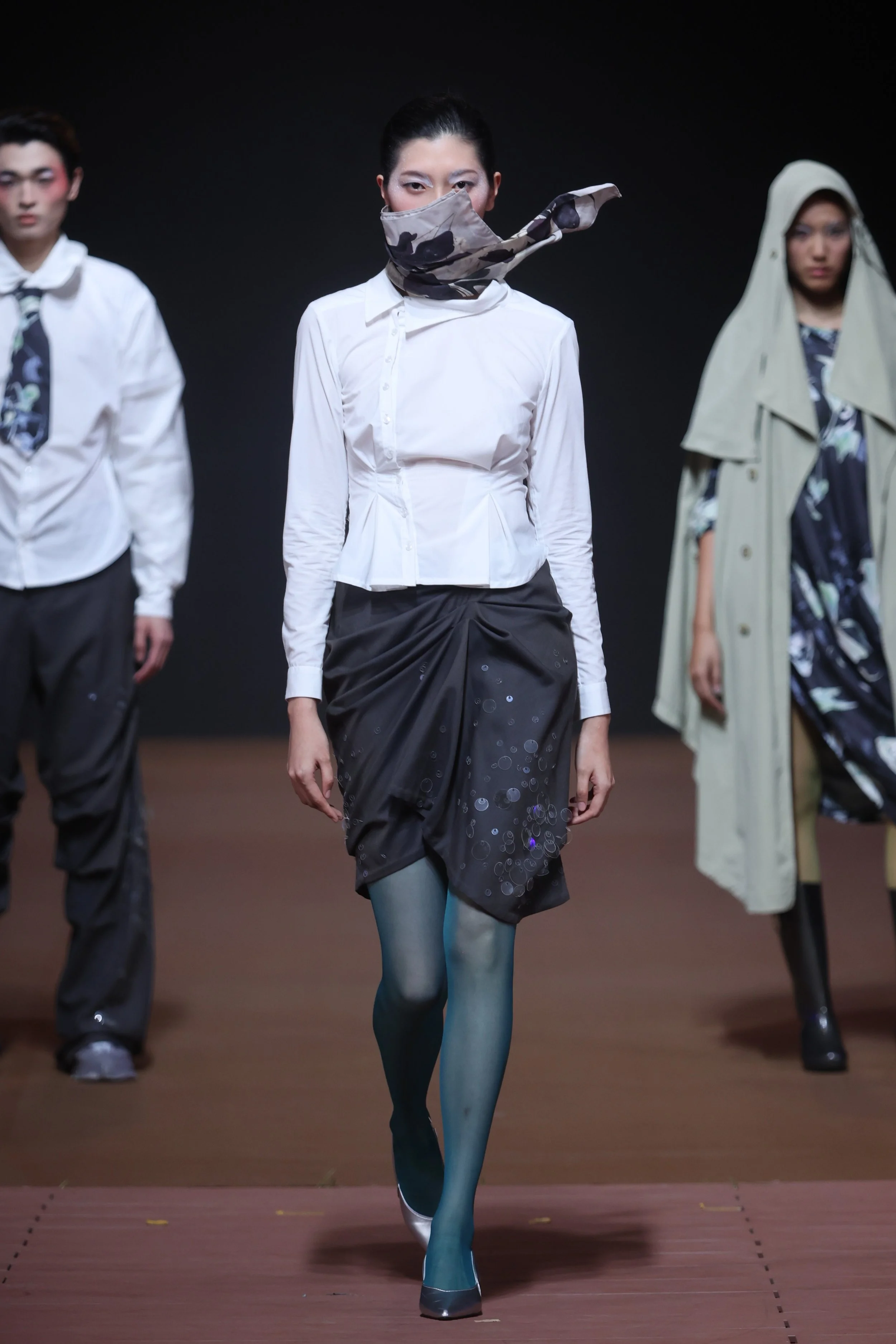
Wide, enveloping silhouettes reference the body's instinctive response to unexpected rain, while transparent fabrics and reflective surfaces evoke the atmosphere of a passing storm.
Kwon's approach connects emotional memory with technical construction. Rather than treating pattern making as an invisible process, she uses it to explore how garments can surround, protect and respond to the body.
A graduate of Burg Giebichenstein University of Art and Design in Germany, Kwon works across material experimentation and sculptural construction, investigating the relationship between clothing, memory and space.
Her recognition for Best Pattern Making demonstrates how technical precision can become a vehicle for personal storytelling.
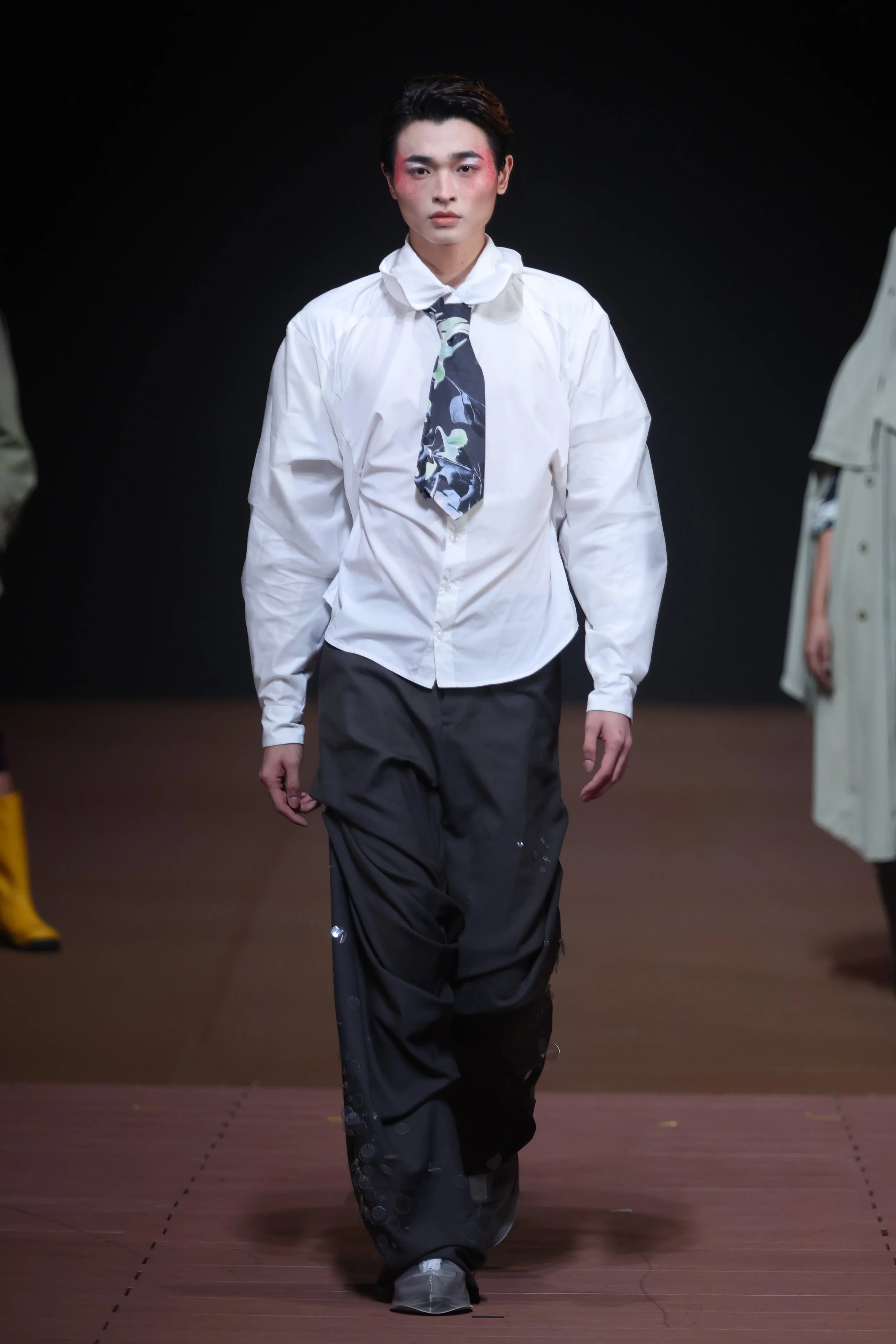
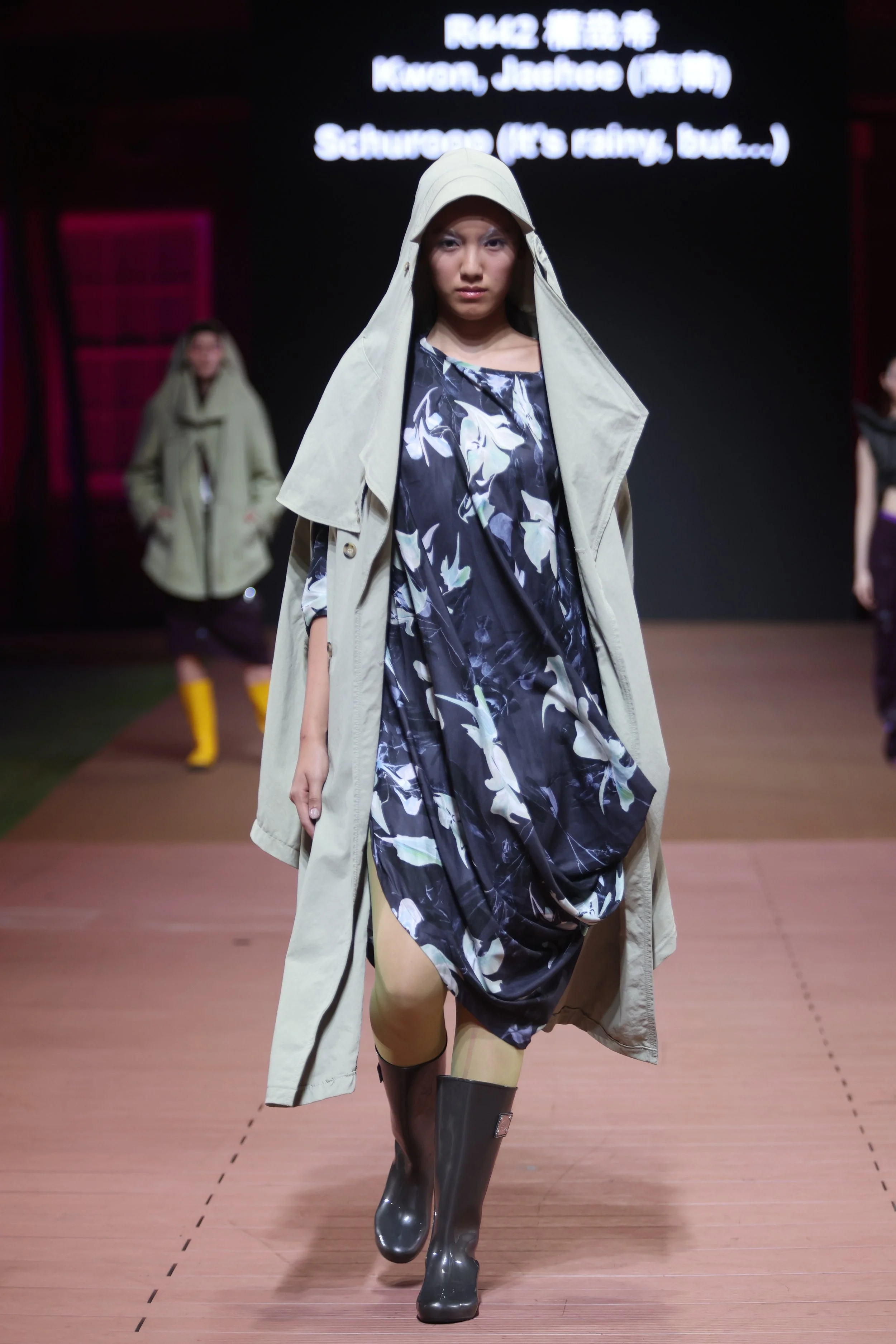
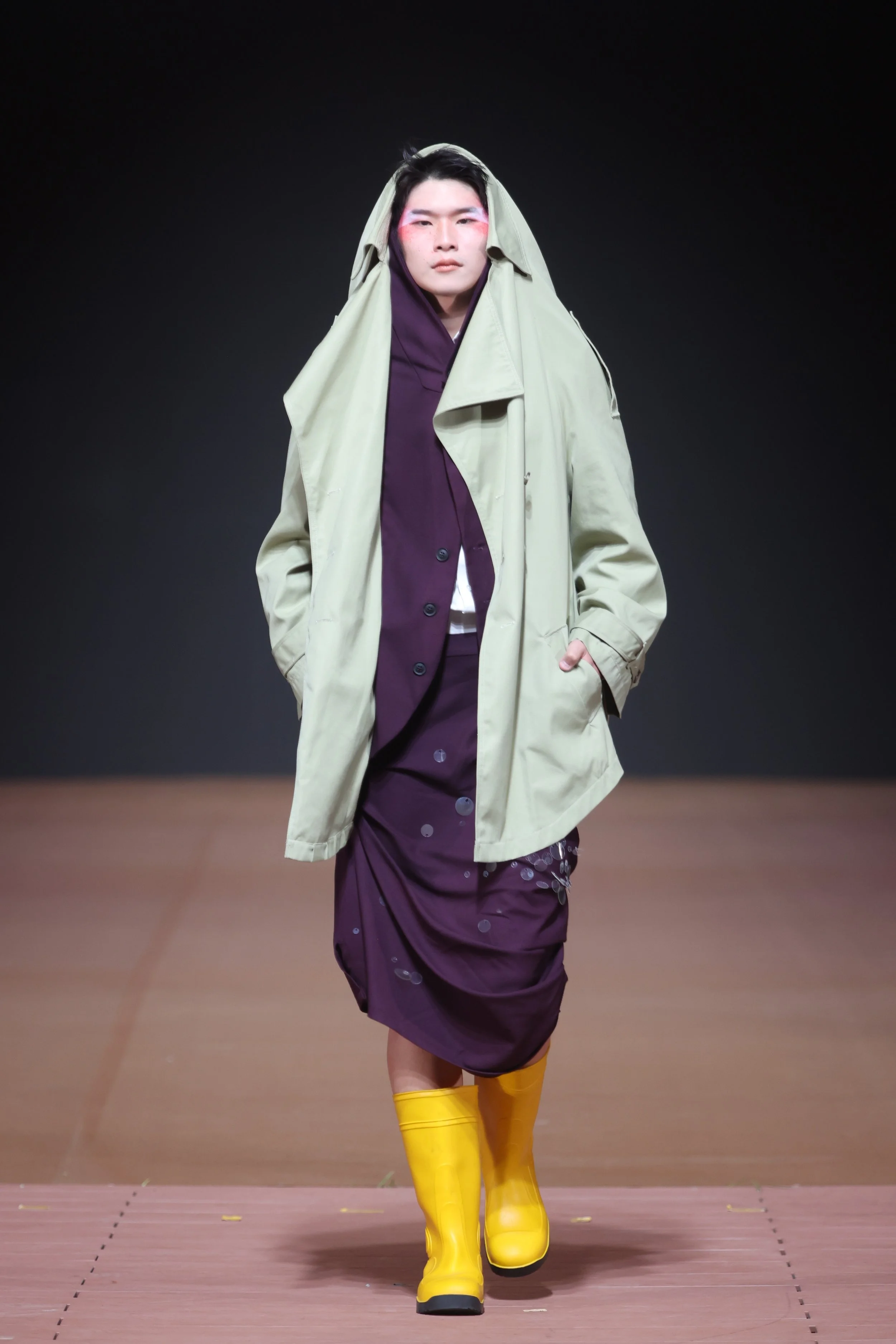
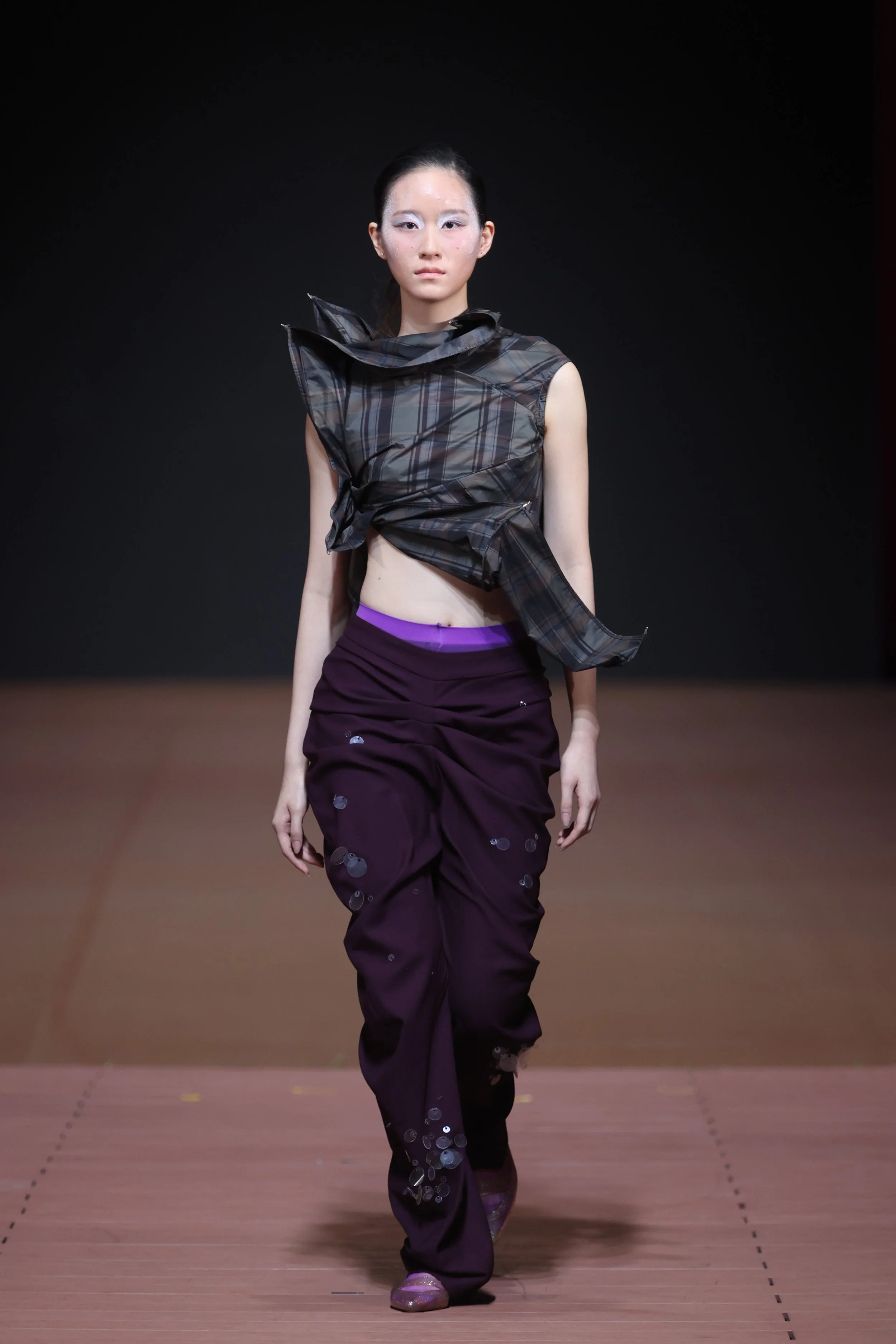
Collection: Schuroop (It's rainy, but…)
Award: Best Pattern Making, Third Prize
Designer Profile / Social Links ↗
Official TFDA Profile ↗
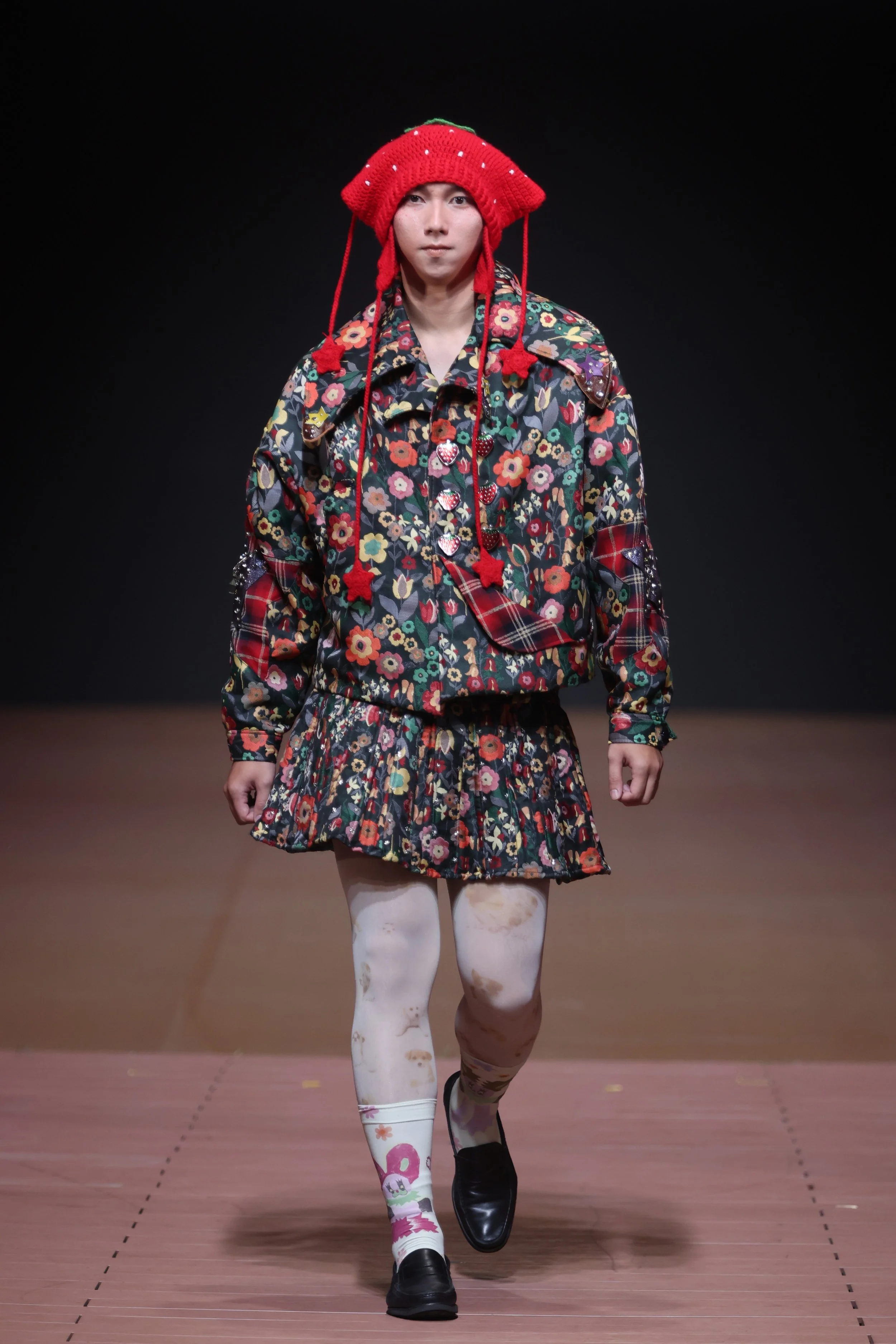
KAO WAN-CI
Third Prize: Best Use of Fabrics
Collection: The Child I Refuse to Abandon | US$3,000
There is something immediately compelling about a collection that begins with a title as emotionally charged as The Child I Refuse to Abandon.
Designer Kao Wan-Ci received the Best Use of Fabrics award, recognising material application as a central element of the collection's creative achievement.
The title suggests an intimate territory, raising questions about childhood, emotional attachment and the relationship between identity and memory.
Without a detailed statement from the designer, the collection's precise narrative remains open to interpretation. Nevertheless, its recognition places the expressive possibilities of fabric at the forefront.
Material is never simply a practical consideration. Its weight, texture, movement and relationship with the body can communicate as much as silhouette or colour.
Kao's award highlights the importance of understanding textiles as an active part of fashion design, capable of shaping both the physical and emotional character of a garment.
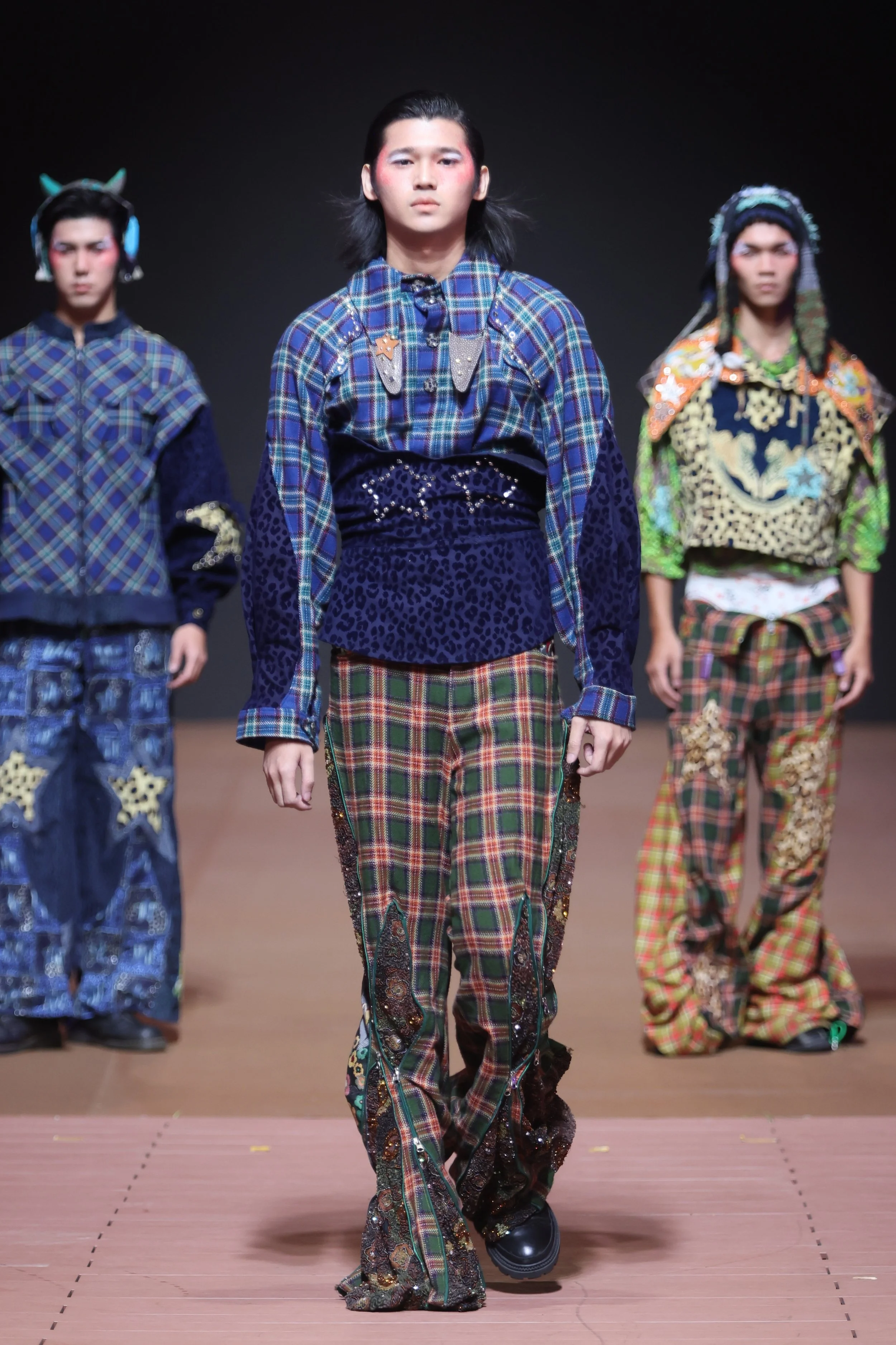
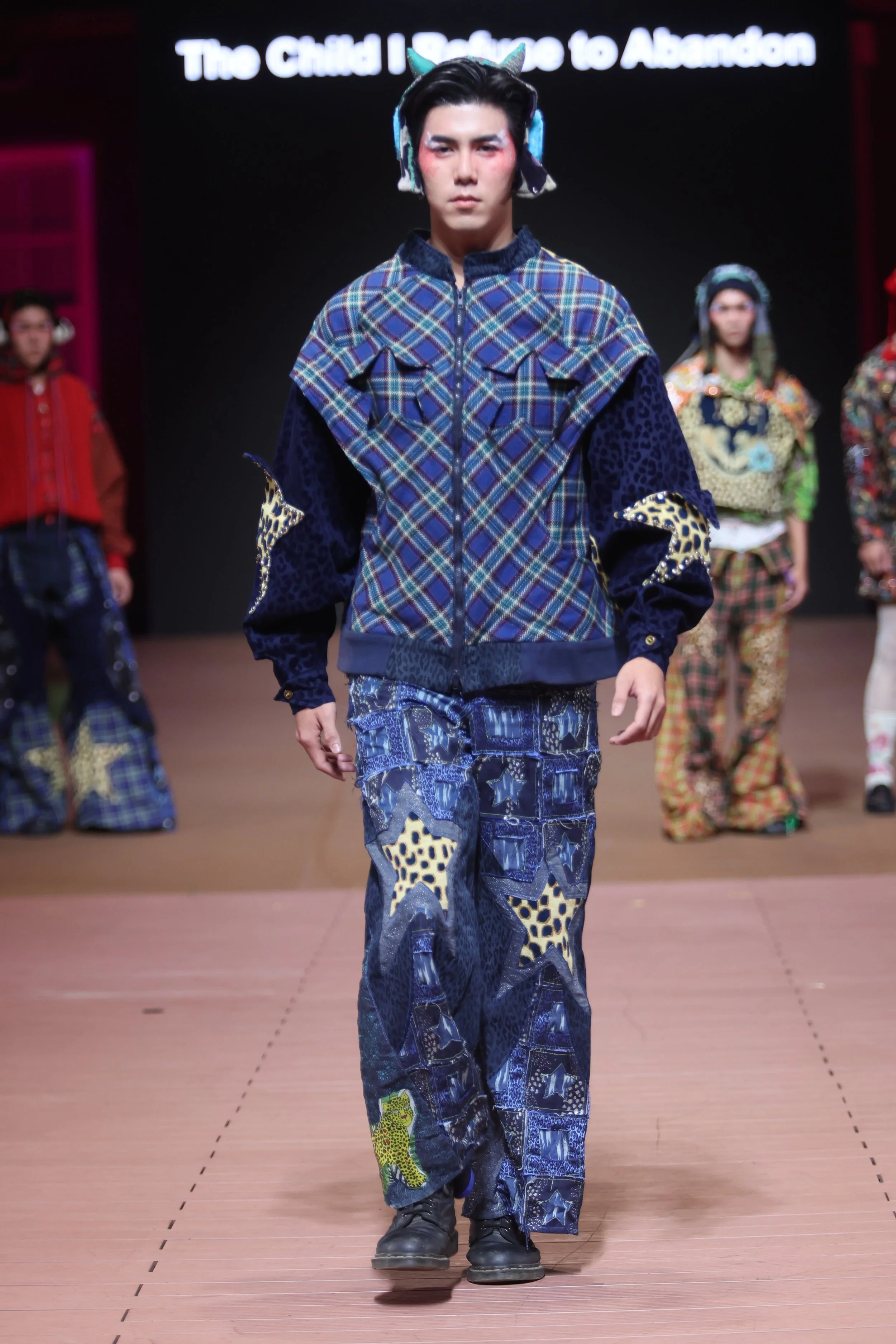
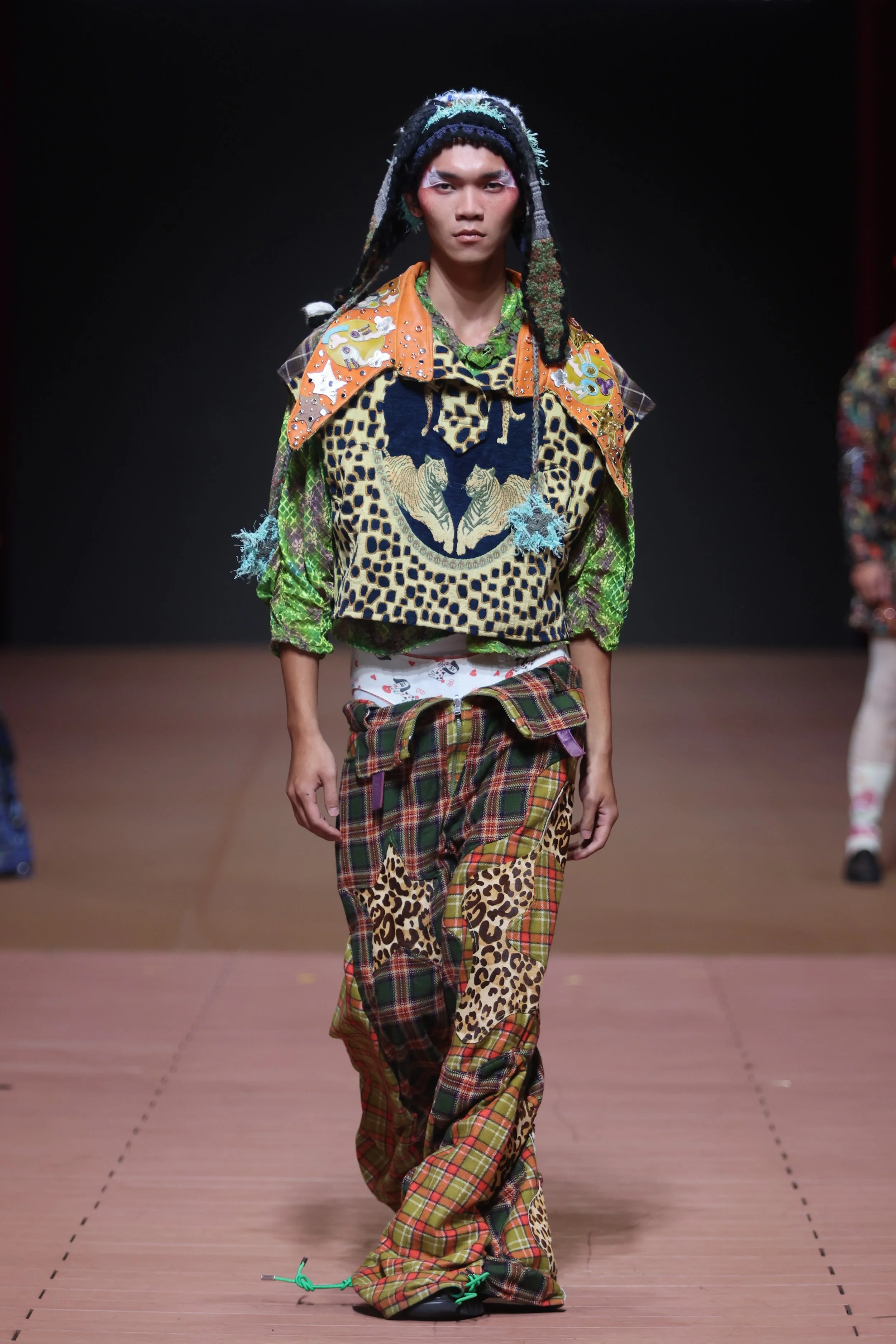
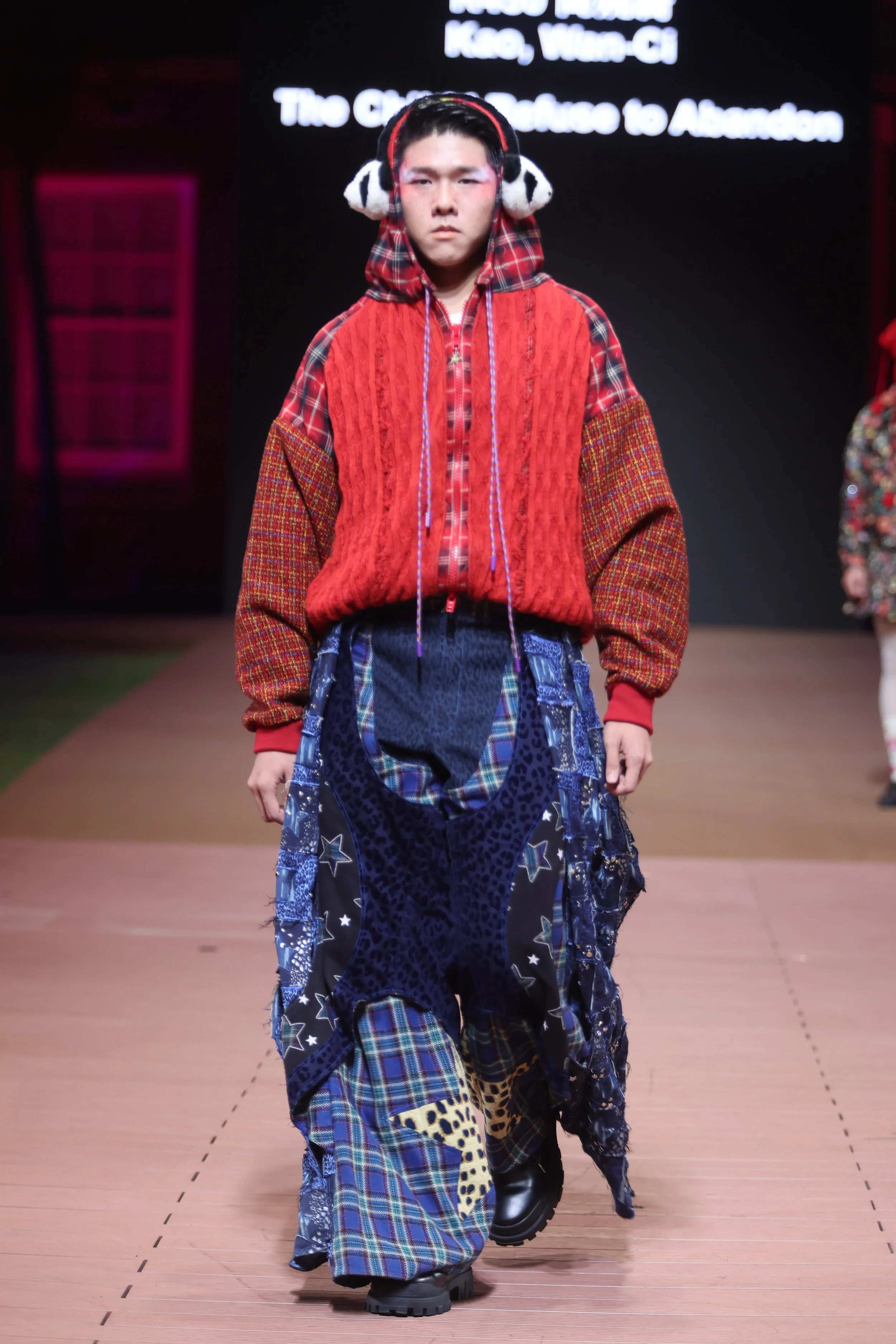
Collection: The Child I Refuse to Abandon
Award: Best Use of Fabrics, Third Prize
Official TFDA Profile ↗
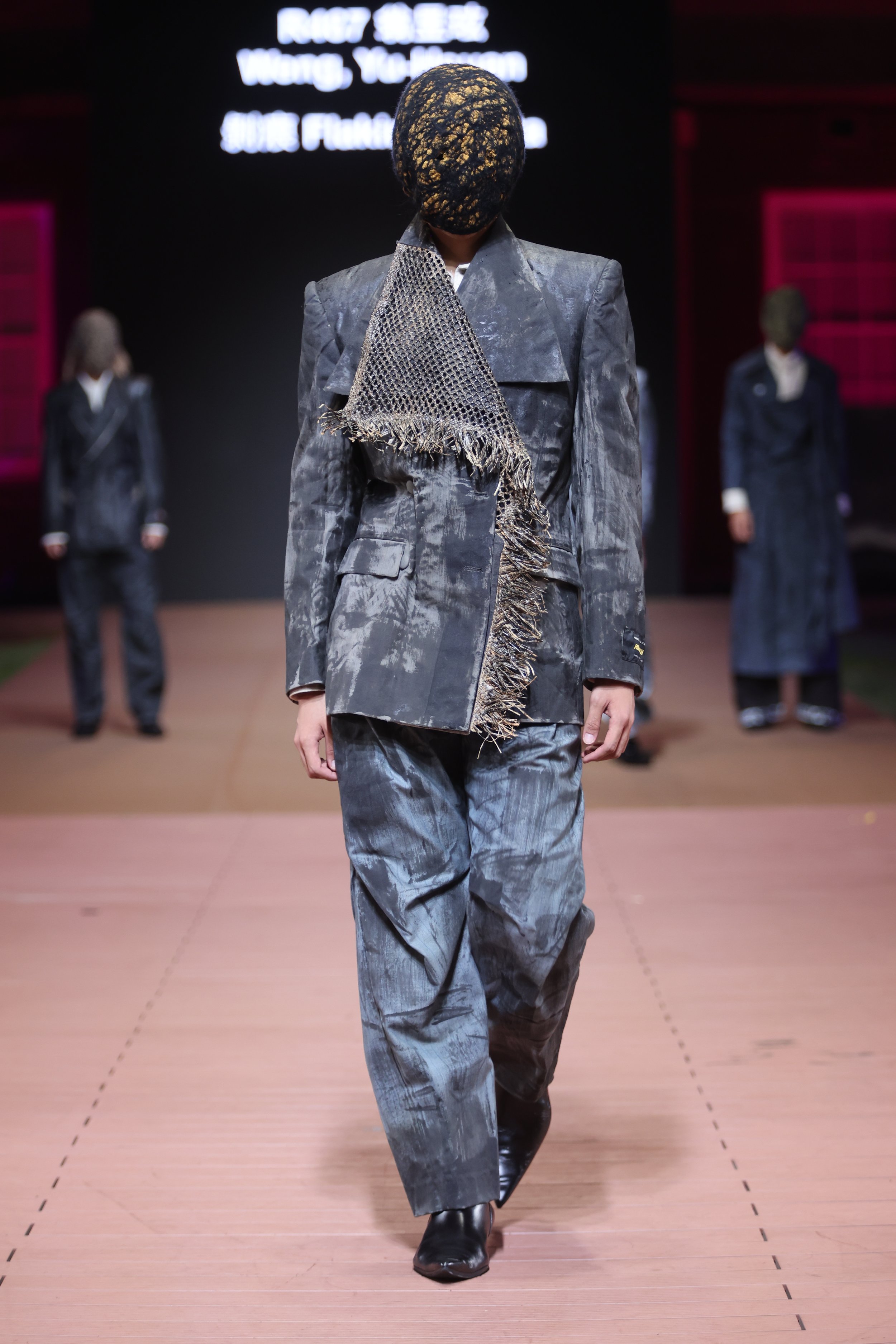
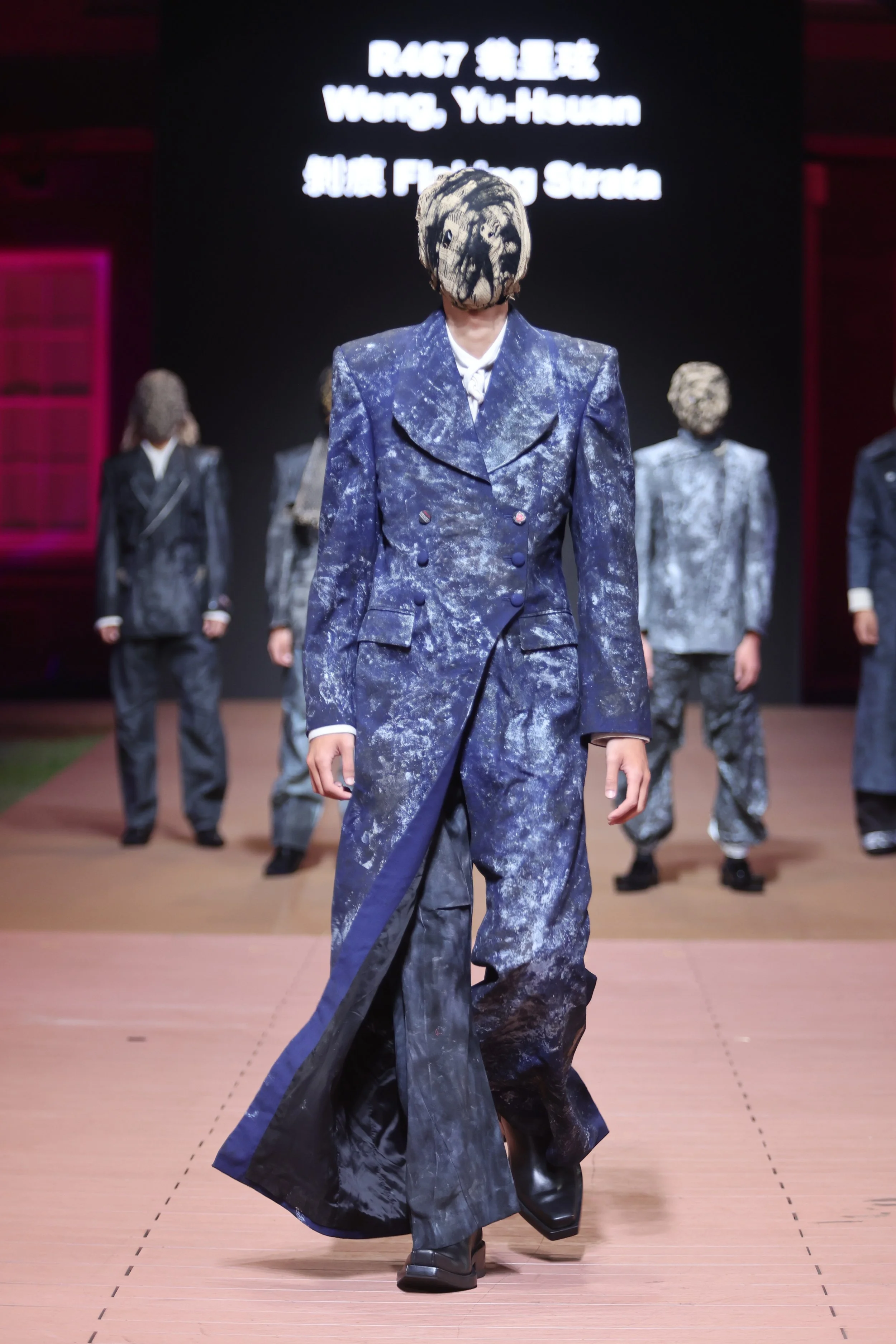
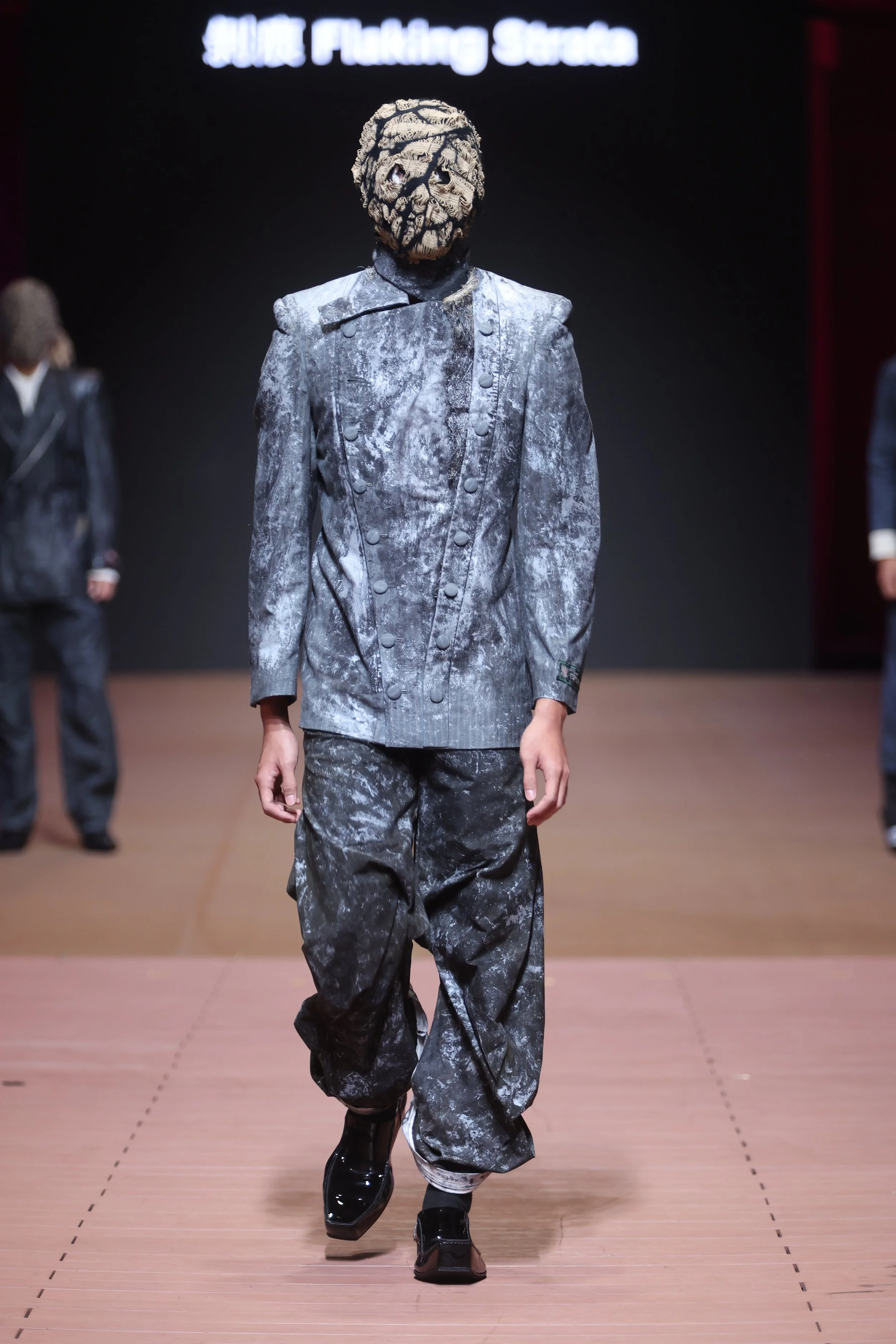
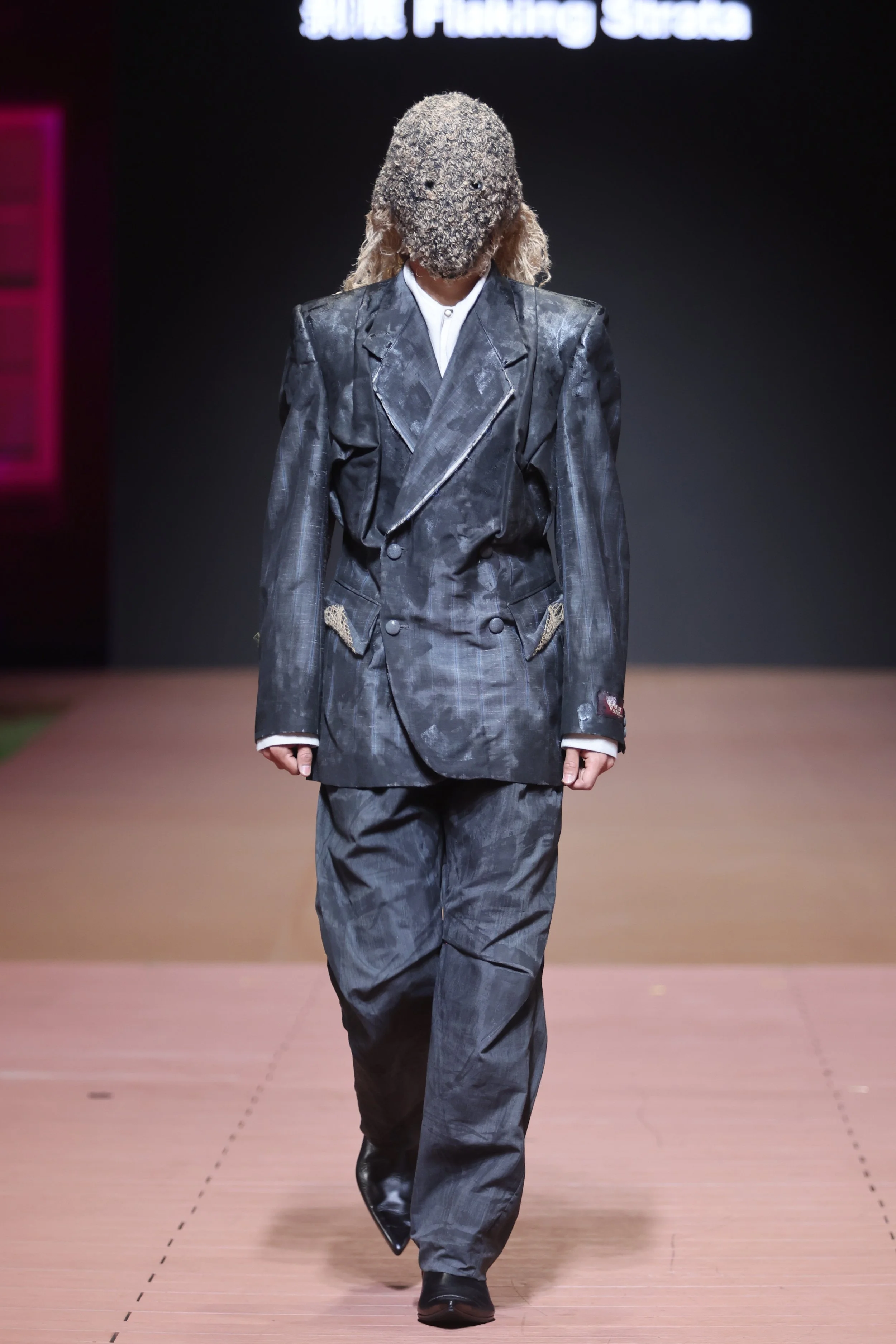
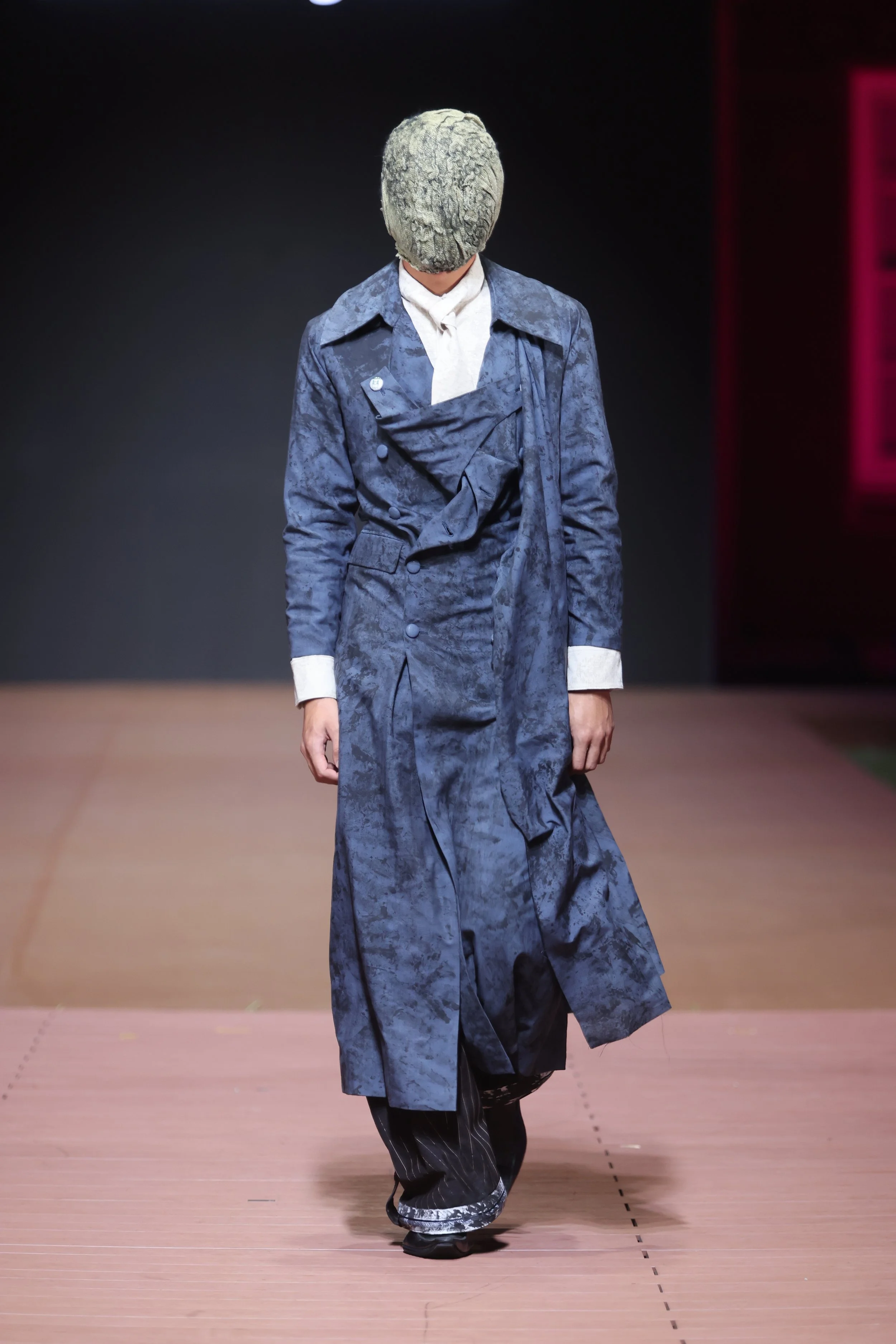
WENG YU-HSUAN
Second Prize
Collection: Flaking Strata | US$5,000
Layers, erosion and transformation provide an intriguing conceptual vocabulary for contemporary fashion.
With Flaking Strata, Weng Yu-Hsuan received one of two Second Prizes at the 2026 Taiwan Fashion Design Award.
The collection's title evokes geological formations and surfaces altered through time. It invites consideration of clothing as something constructed through layers, where texture and material manipulation become integral to the overall expression.
Fashion and geology share an unexpected visual relationship. Both involve accumulation, pressure, surface and the gradual transformation of form.
While the accompanying press material does not establish the designer's specific references, the title offers an evocative framework for interpreting the collection.
Weng's recognition reflects the competition's emphasis on the relationship between creative concept, fabrication and technical execution.
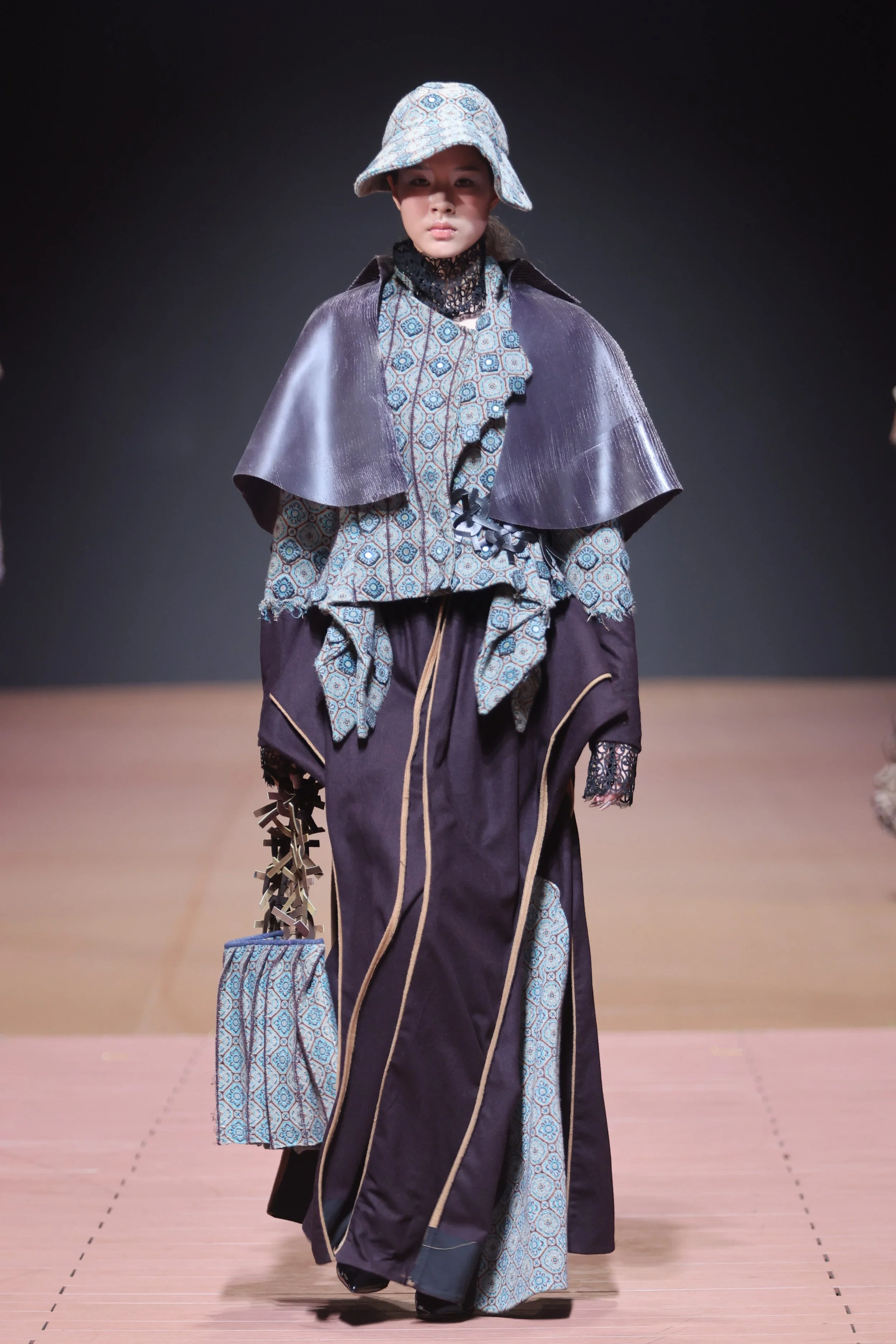
CHEN LI-YUE
Second Prize
Collection: To Grandma | US$5,000
Clothing is often one of the most intimate forms of cultural memory.
Passed between generations, preserved within families or associated with particular moments, garments can carry emotional significance that extends far beyond their physical construction.
With To Grandma, Chen Li-Yue introduces a collection whose title immediately suggests a personal relationship.
Awarded one of the competition's two Second Prizes, Chen's work invites reflection on the connection between fashion, remembrance and intergenerational identity.
The precise narrative behind the collection has not been detailed in the supplied material, but its title creates a compelling starting point for considering the emotional histories that clothing can preserve.
At a time when fashion increasingly moves between technological innovation and cultural introspection, projects centred on personal experience offer an important counterpoint to the industry's accelerated pace.
Chen's recognition places this emerging designer among the names to follow from Taipei's latest generation of creative talent.
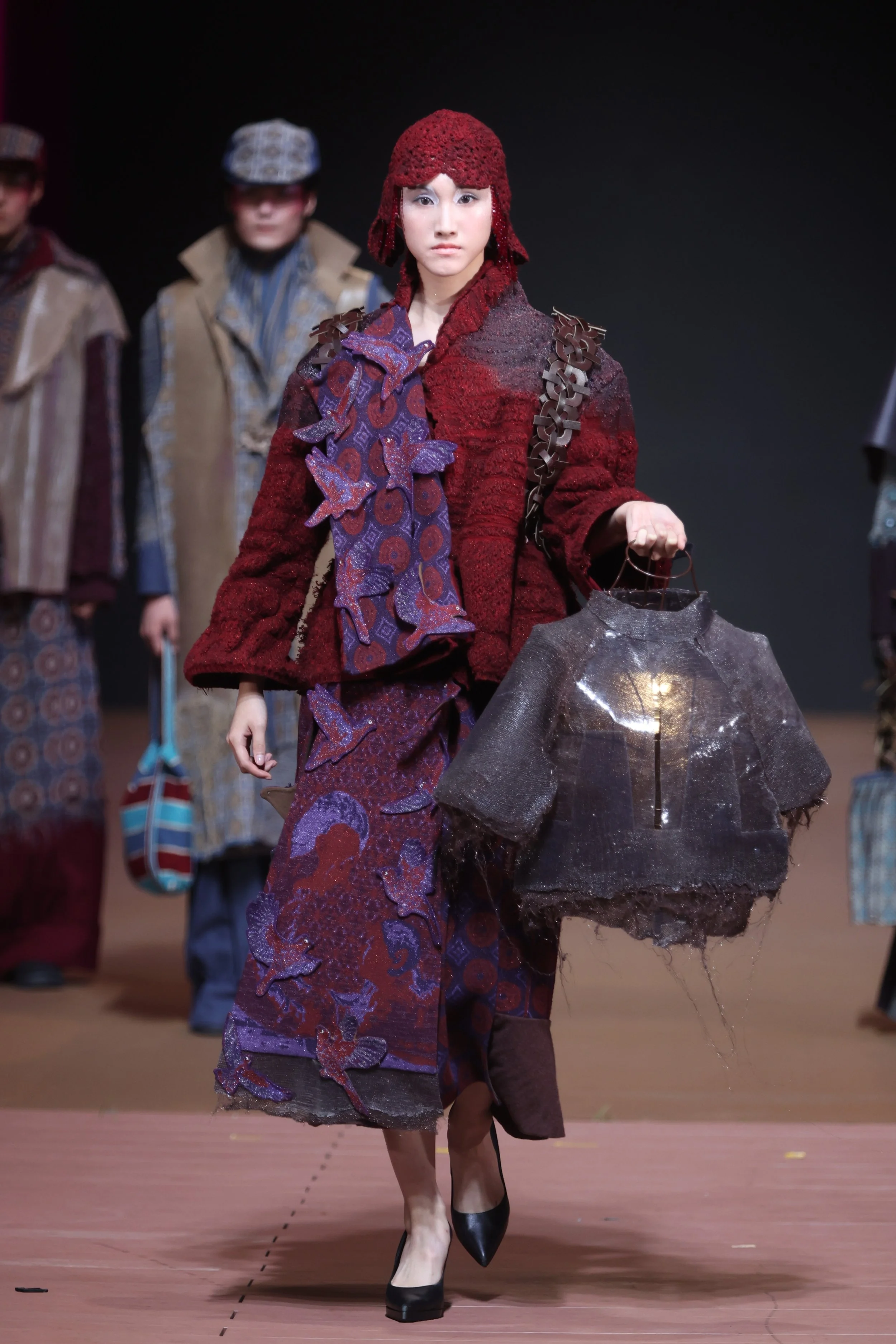
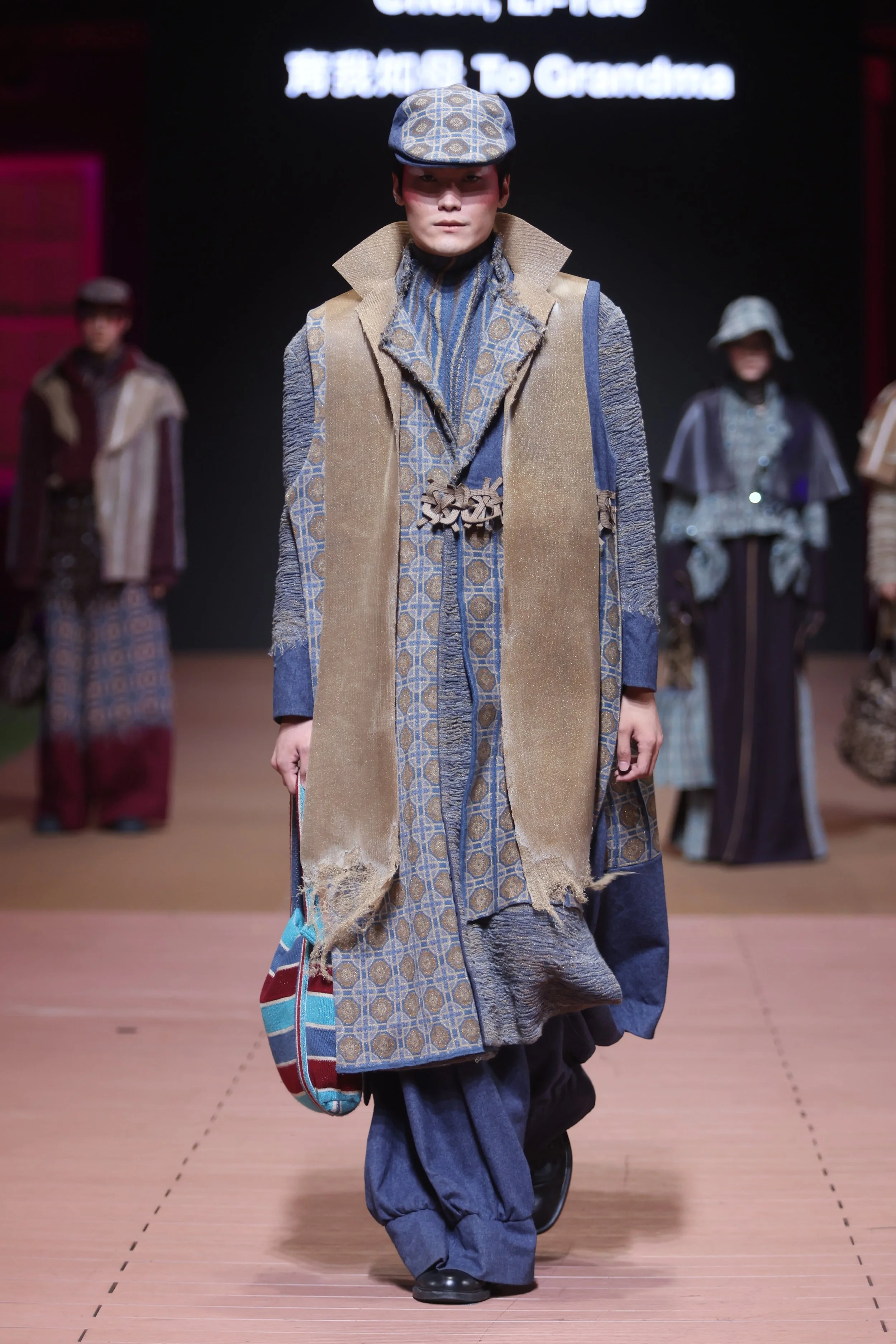
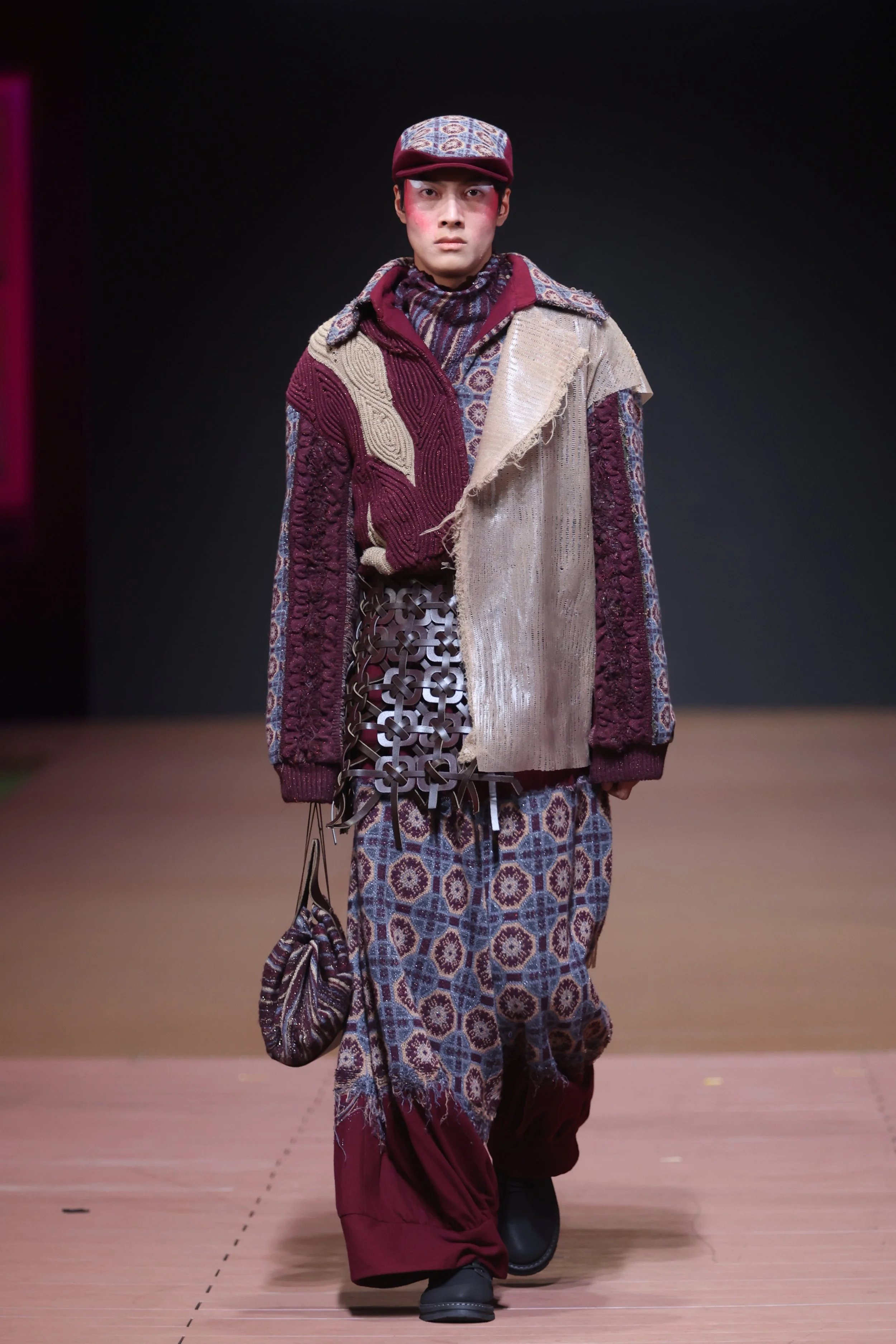
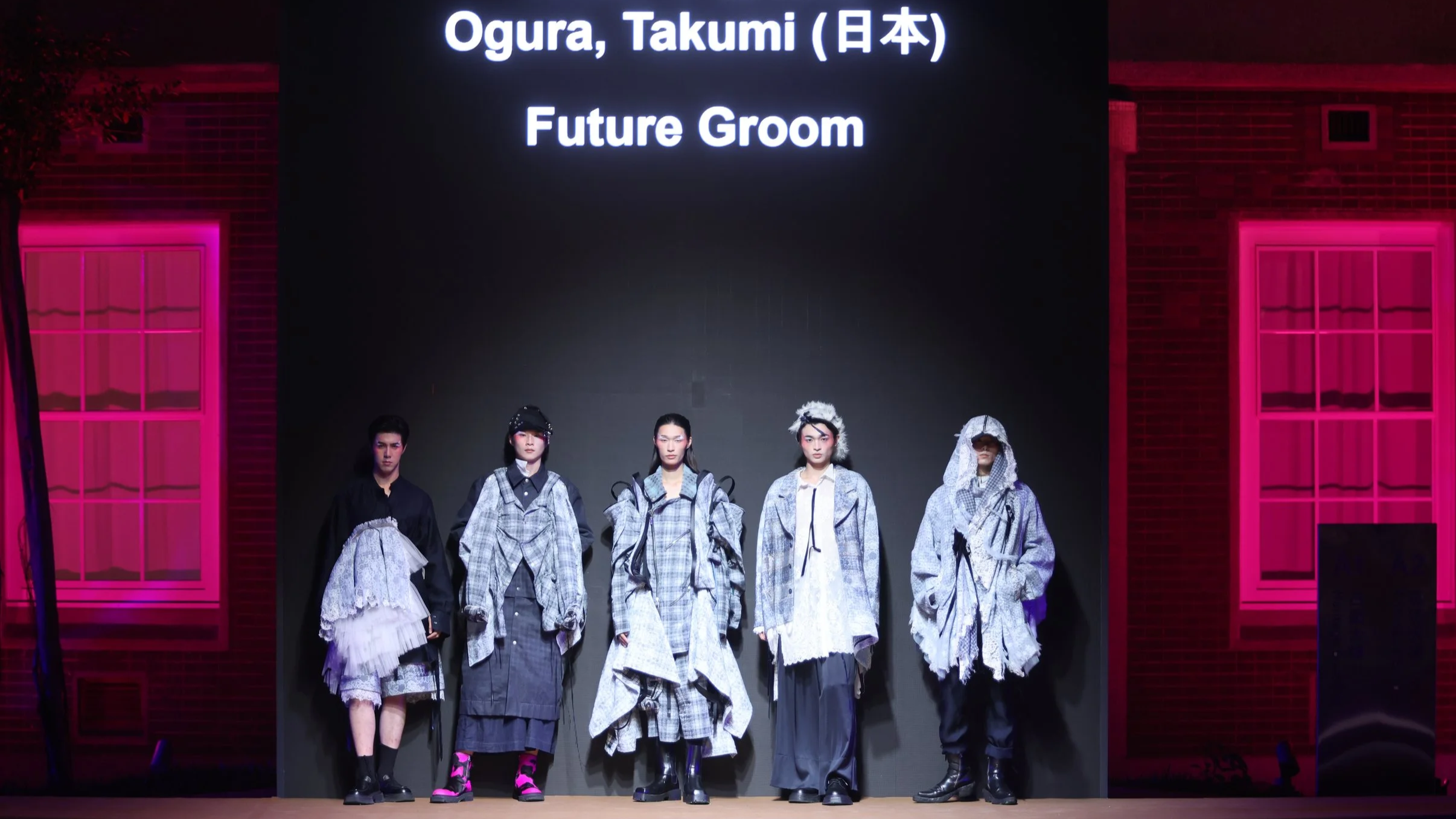
TAKUMI OGURA | JAPAN
First Prize Winner
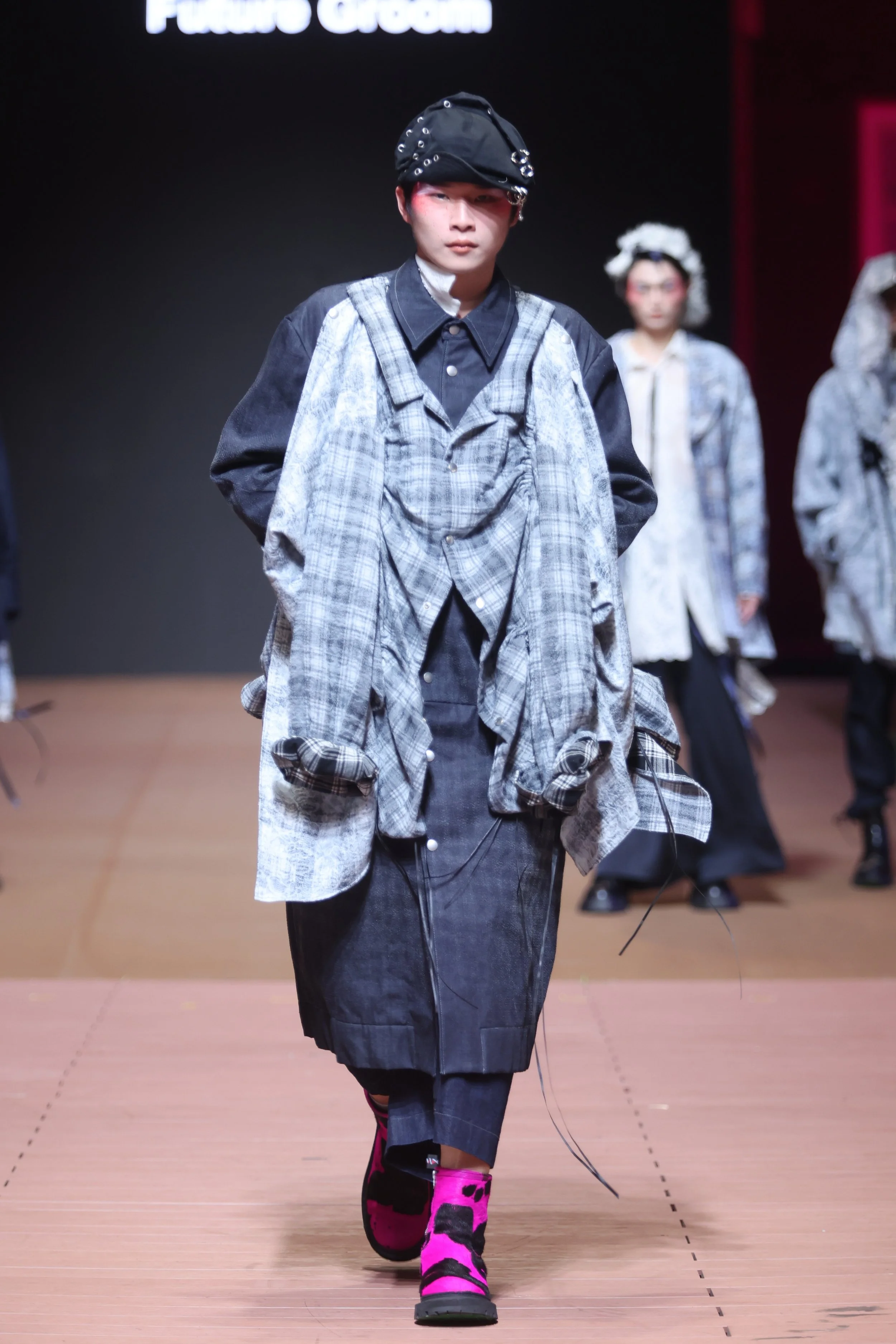
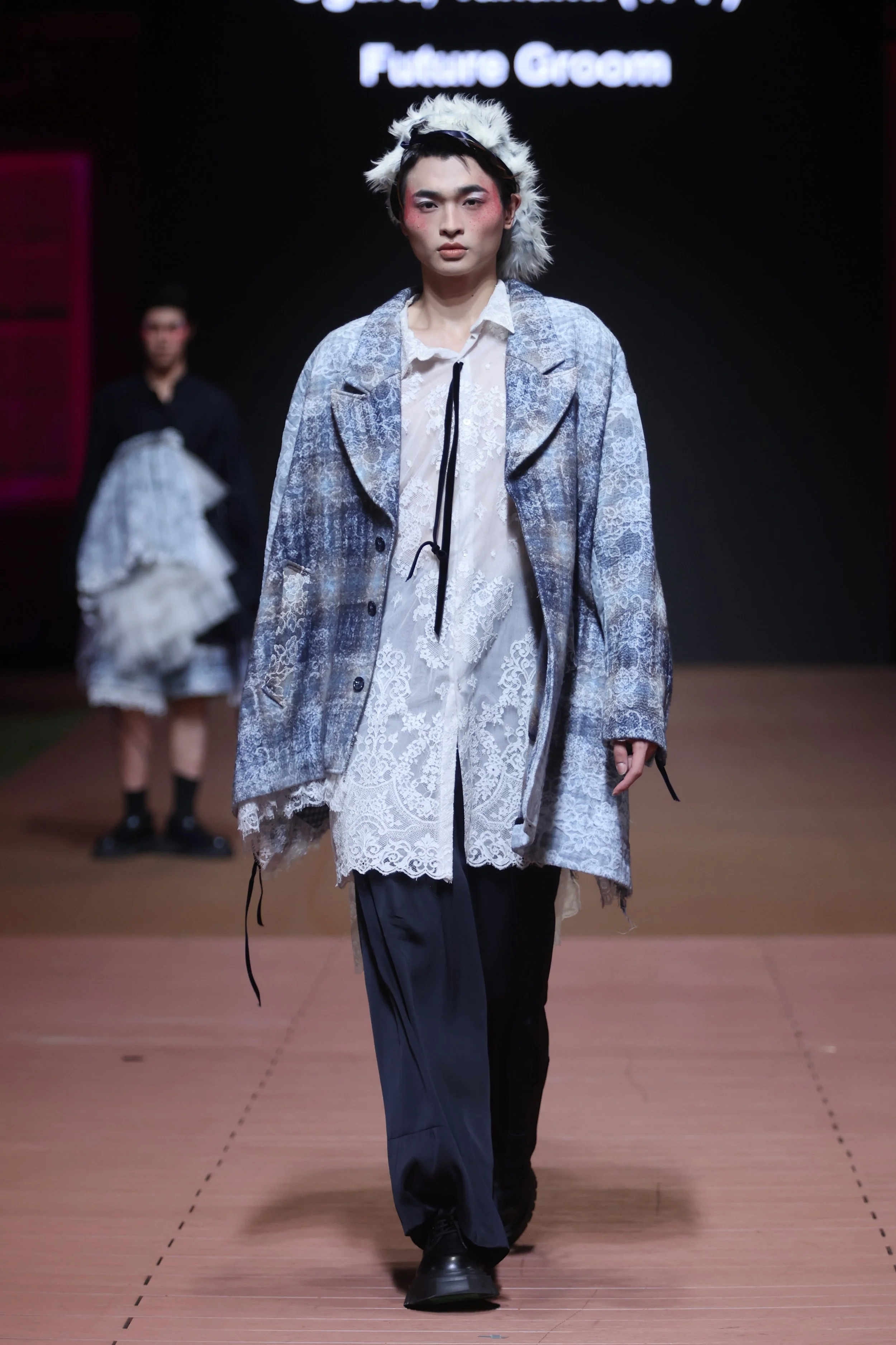
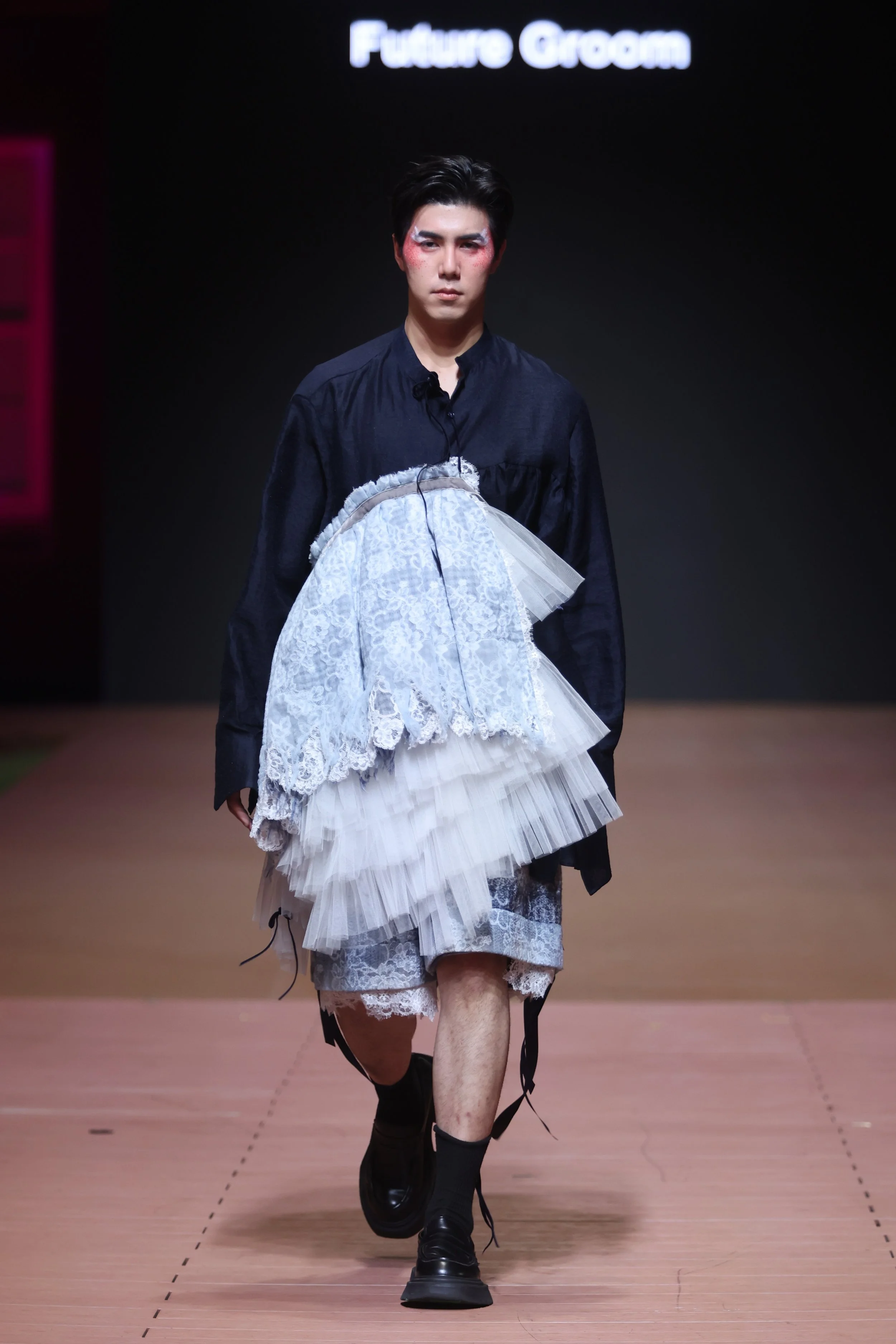
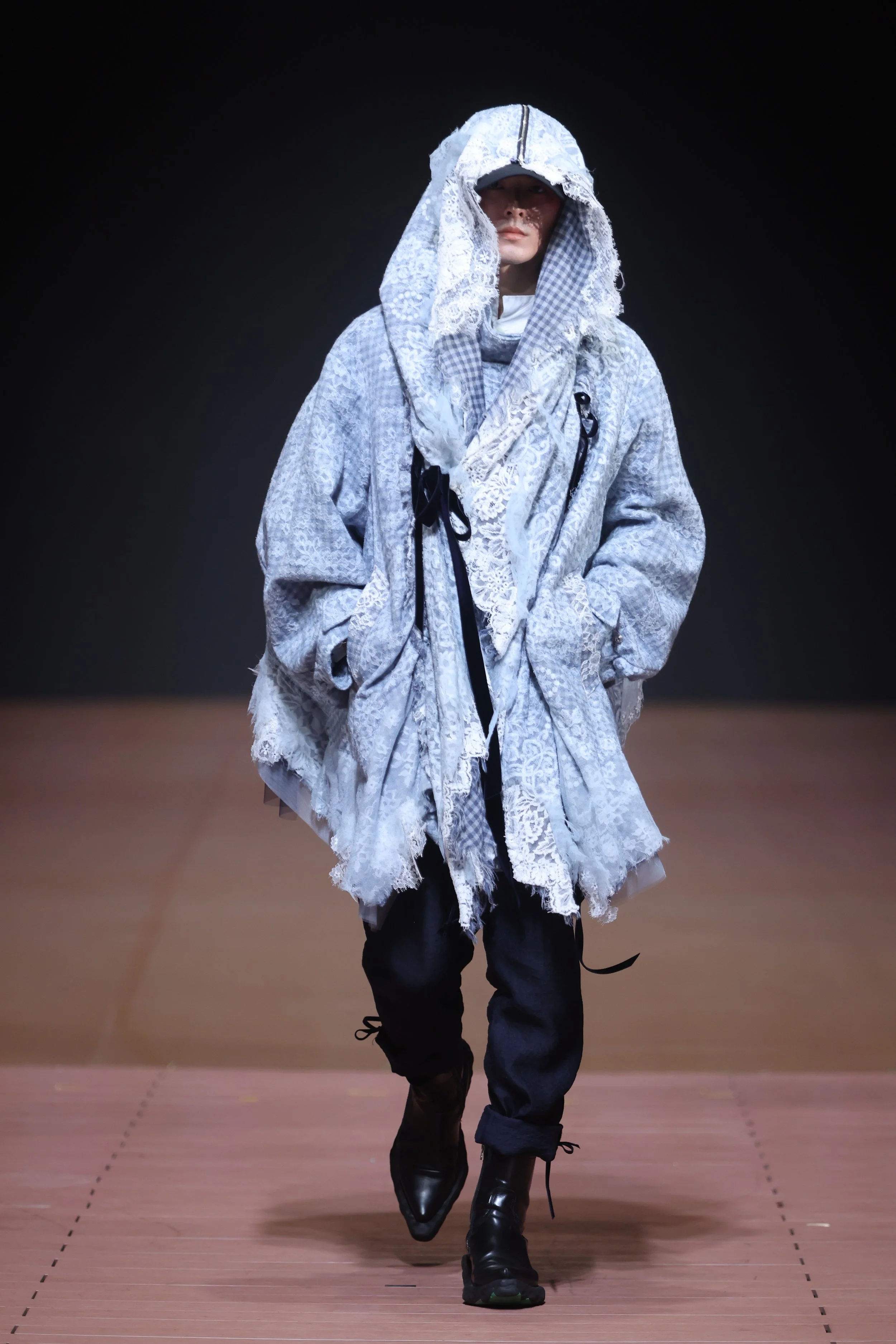
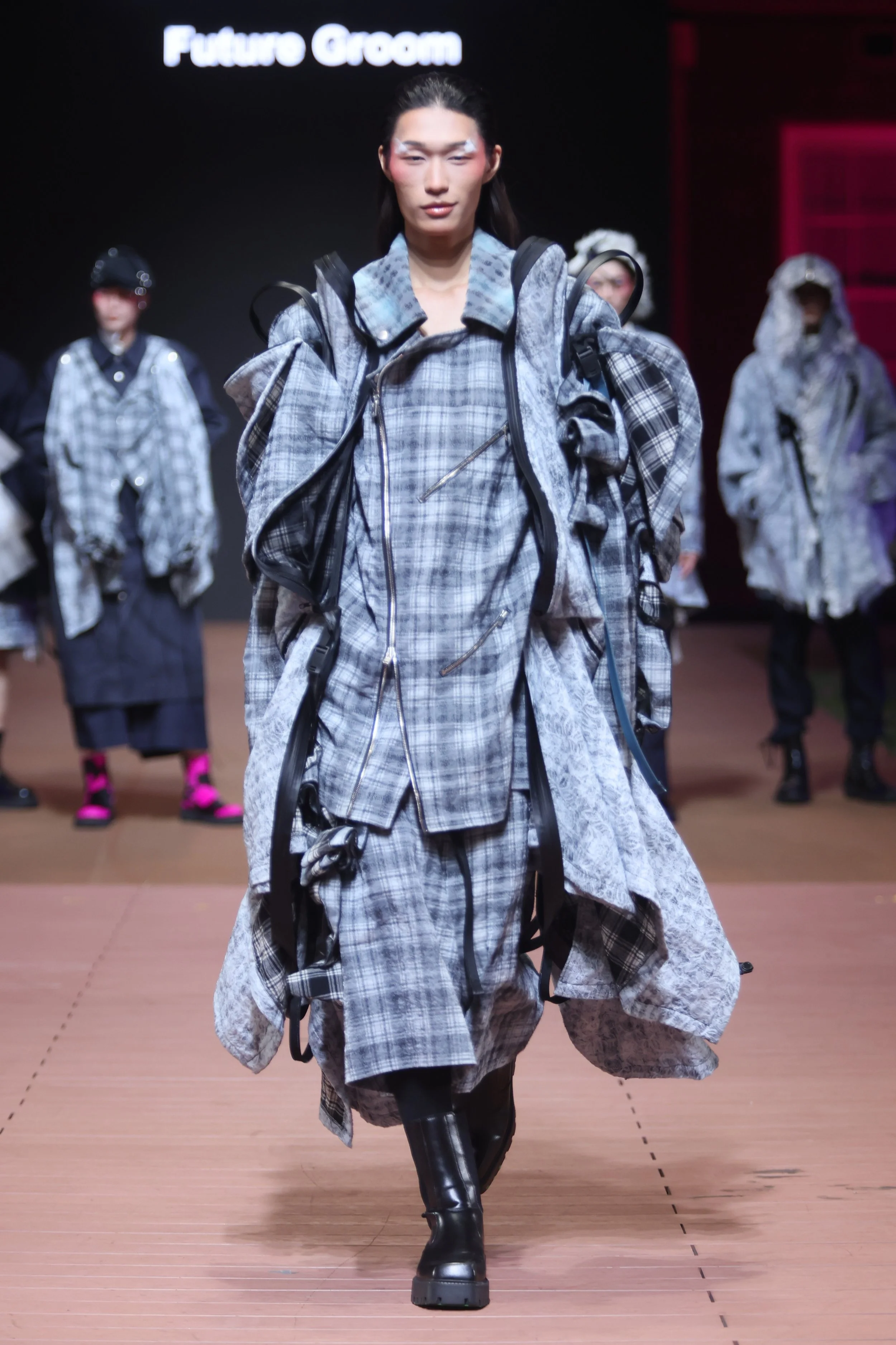
Collection: Future Groom | US$10,000
What might formal dressing look like when the traditions that shaped it are no longer fixed?
Japanese designer Takumi Ogura received First Prize at the 2026 Taiwan Fashion Design Award for Future Groom, securing the competition's highest distinction and a US$10,000 award.
The collection's title presents an intriguing proposition.
The groom, traditionally associated with ceremonial dressing and established codes of masculine presentation, becomes a figure through which fashion can reconsider convention.
The suggestion of a future groom opens questions about how contemporary designers might reinterpret the rituals, expectations and sartorial language surrounding identity.
Although the official announcement does not detail Ogura's complete creative narrative, the collection was selected by an international jury assessing design concept, material application, pattern construction, execution and commercial potential.
Its success is particularly significant within an edition that attracted 530 emerging designers from 25 countries and regions.
Ogura's recognition represents more than an individual achievement. It reflects the increasing international visibility of young designers developing distinct creative identities beyond established fashion capitals.
As the First Prize recipient of TFDA's landmark 40th edition, Ogura concludes our selection of emerging talent shaping the next chapter of contemporary fashion.