
Double-click to edit...
For decades, Kazakhstan has been introduced to the world through familiar symbols: endless steppes, nomadic heritage, traditional ornaments, and centuries-old customs. These images are beautiful and deeply meaningful, yet they reveal only one side of the country.
Today, another Kazakhstan is quietly emerging one that speaks through creativity, experimentation, and fashion. Fashion has become far more than clothing. It has evolved into a language that communicates identity, ambition, emotion, and culture without saying a single word. Every collection, every runway, every photograph tells a story about who we are and who we aspire to become. The question is no longer whether Kazakhstan can participate in the global fashion conversation.
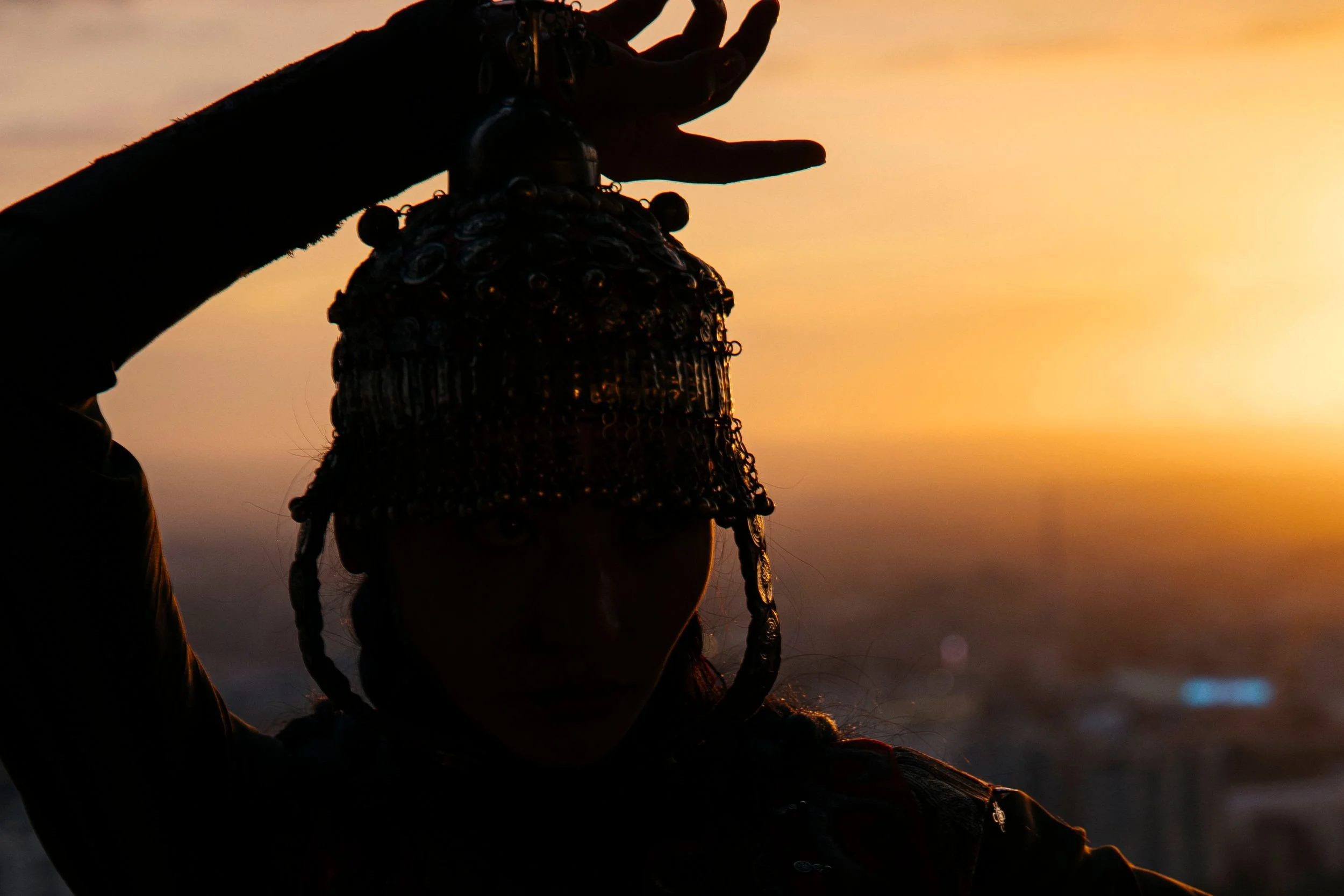
Photographer: Vera Okladnikova verunya.photo
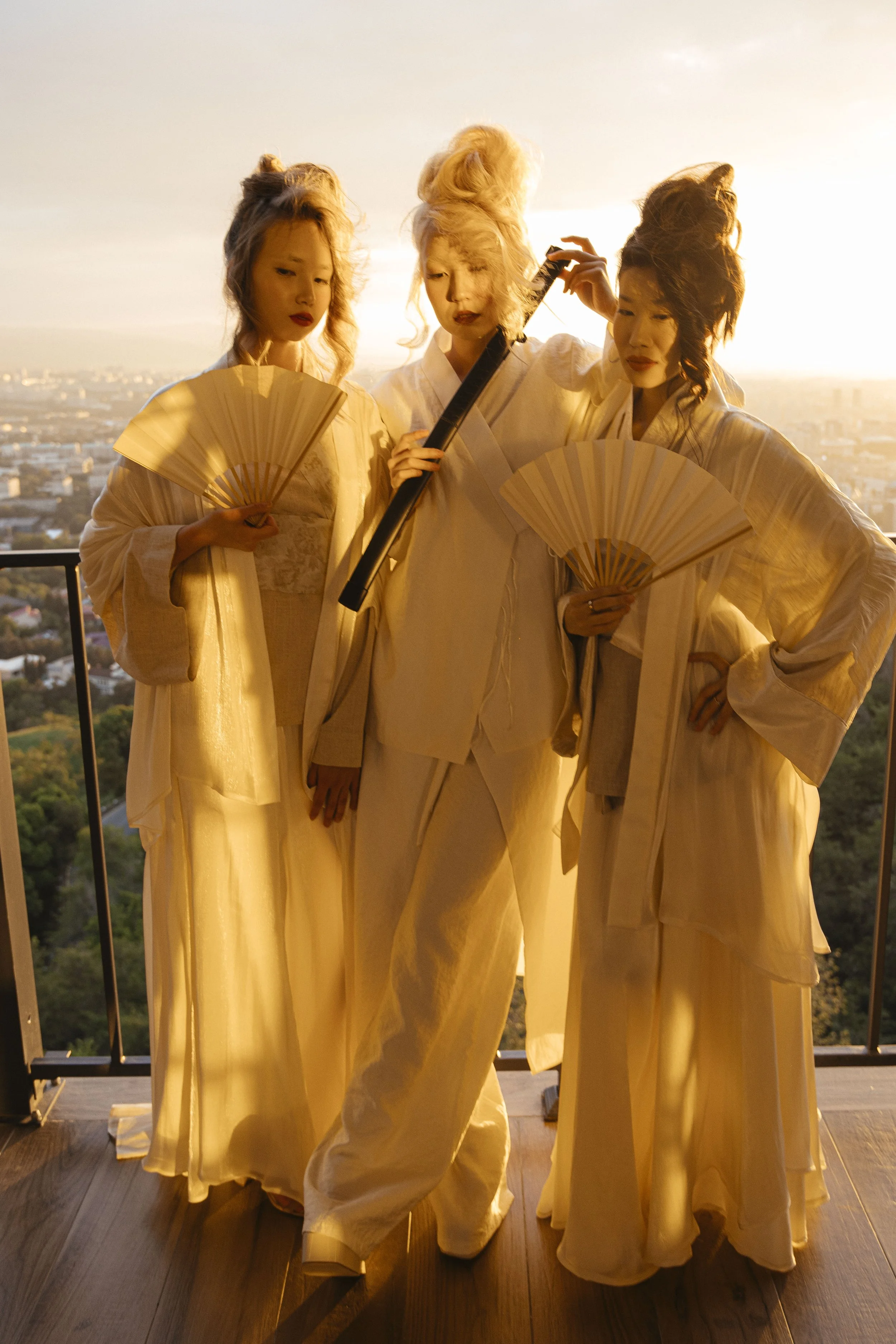
The real question is: what kind of story will Kazakhstan choose to tell?
Kazakh fashion is still growing. It has not yet reached the influence or recognition of Paris, Milan, London, or New York. However, that is precisely what makes this moment exciting. The industry's greatest strength lies not in perfection, but in evolution.
Unlike established fashion capitals, Kazakhstan is still defining its visual identity. Young designers are experimenting with silhouettes, cultural references, craftsmanship, and modern storytelling. Every season introduces new perspectives that challenge expectations of what Kazakh fashion can become.
Rather than copying international trends, a new generation is beginning to ask a more important question: How can we remain authentically Kazakh while speaking a language the entire world understands?
A Fashion Industry Finding Its Own Voice
Over the last several years, Kazakhstan's fashion landscape has transformed dramatically. Fashion is no longer limited to individual designers presenting collections once or twice a year. Around them, an entire creative ecosystem has began to take shape fashion photographers, stylists, creative directors, fashion media, models, and young designers are collectively building an industry that simply did not exist in the same way a decade ago.
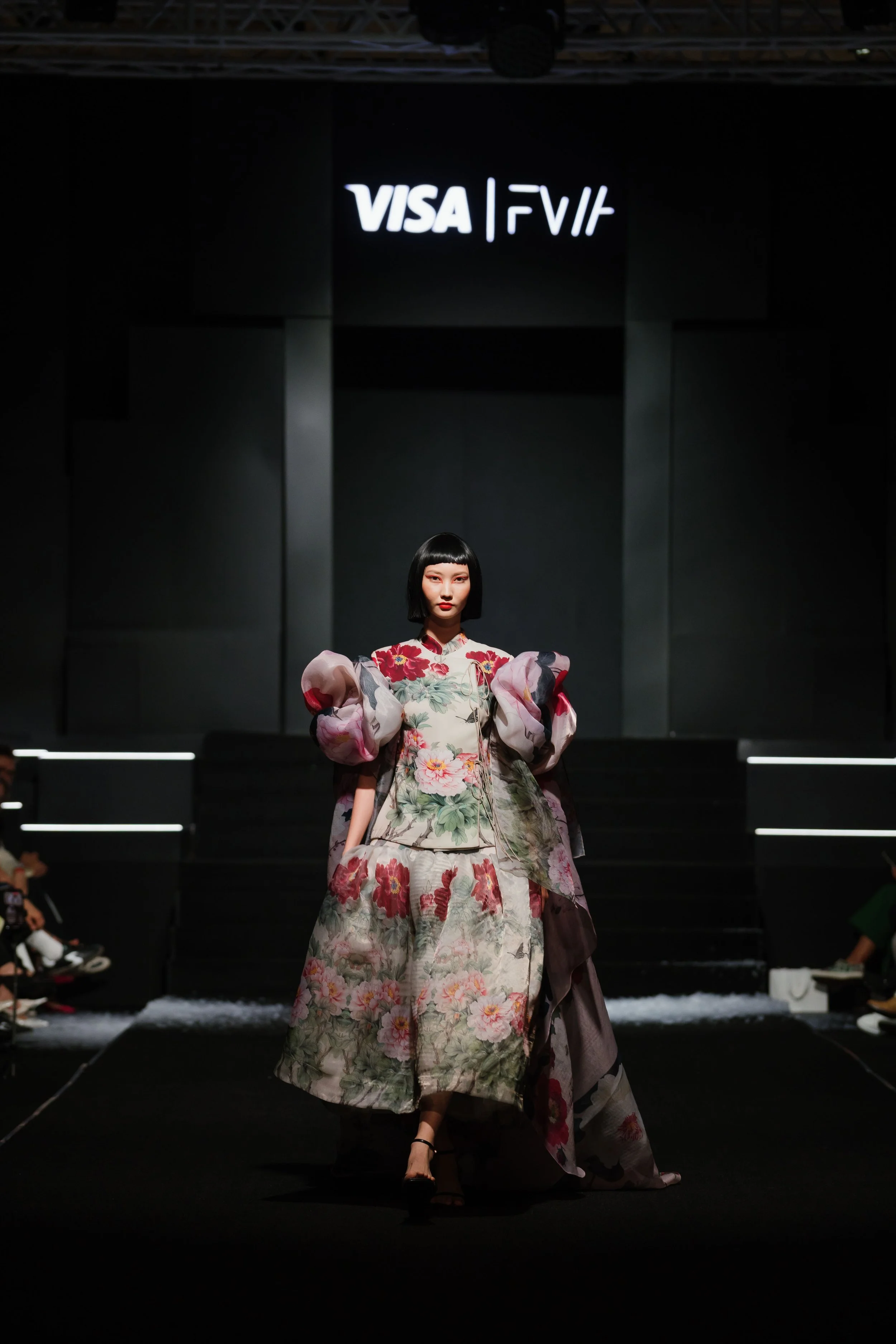
One of the clearest signs of this transformation is the emergence of professional fashion platforms. Events such as Eurasian Fashion Week, Visa Fashion Week Almaty, and Astana Fashion Week have become much more than runway presentations. They are creative meeting points where designers introduce new collections, photographers create visual narratives, journalists document the industry's growth, and emerging talents receive opportunities to be seen.
Fashion weeks are no longer simply about showing clothes. They are becoming places where Kazakhstan learns how to present itself to the world. Each season demonstrates that the country's fashion community is becoming increasingly connected, collaborative, and ambitious. Designers are experimenting more freely, creative teams are becoming stronger, and audiences are beginning to look beyond clothing itself, paying attention to concepts, craftsmanship, and storytelling.
Yet, despite this progress, Kazakhstan's fashion industry is still in the process of discovering its own visual language. For many years, national identity in fashion was largely expressed through recognizable symbols: traditional embroidery, historical references, and ethnic ornamentation. While these remain an important part of our culture, contemporary fashion demands something deeper than simply repeating familiar motifs.
Identity is not created by looking only into the past. It is created by understanding how the past can inspire the future. Personally, I believe this is one of the most fascinating moments in Kazakhstan's creative history. We are witnessing a generation that is no longer afraid to experiment. Designers are beginning to reinterpret heritage instead of reproducing it. Fashion is gradually becoming more personal, more thoughtful, and more willing to challenge expectations.
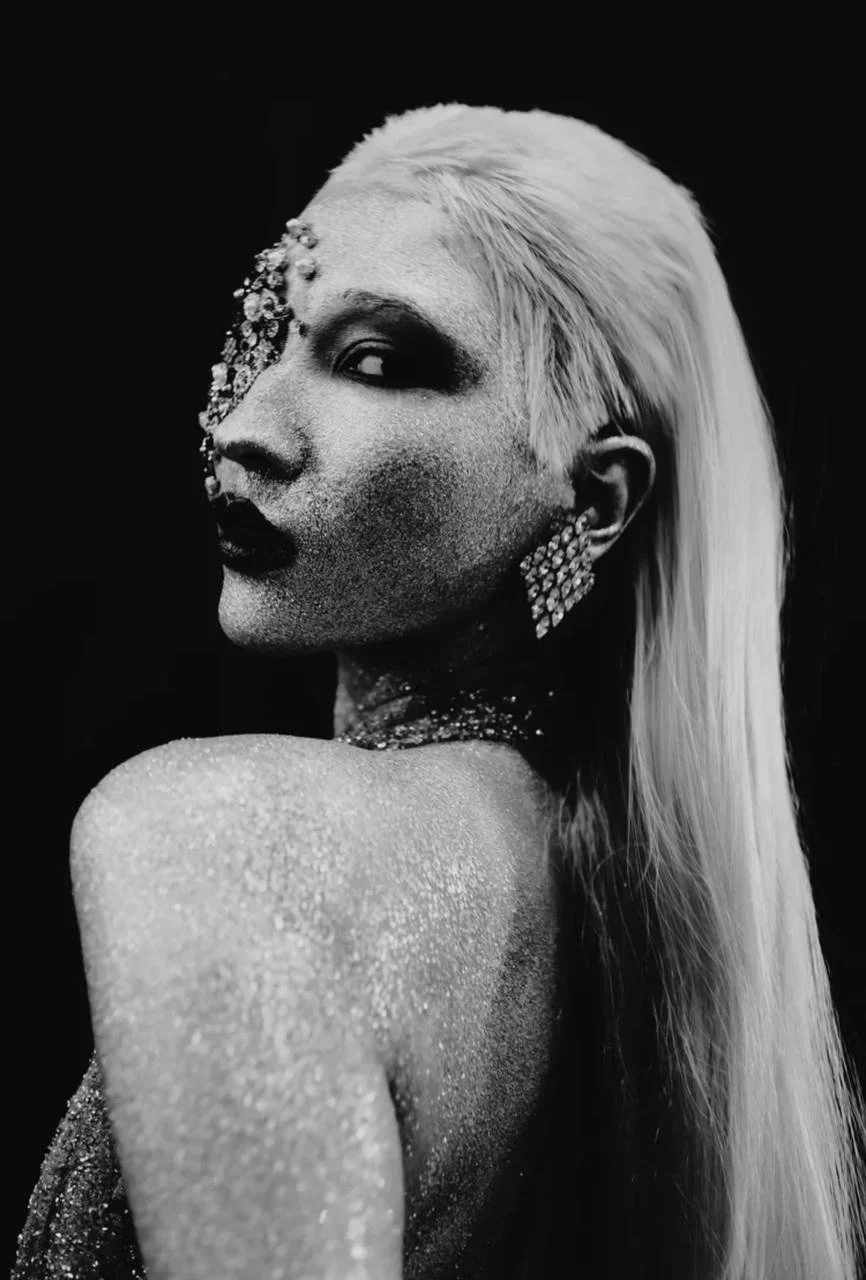
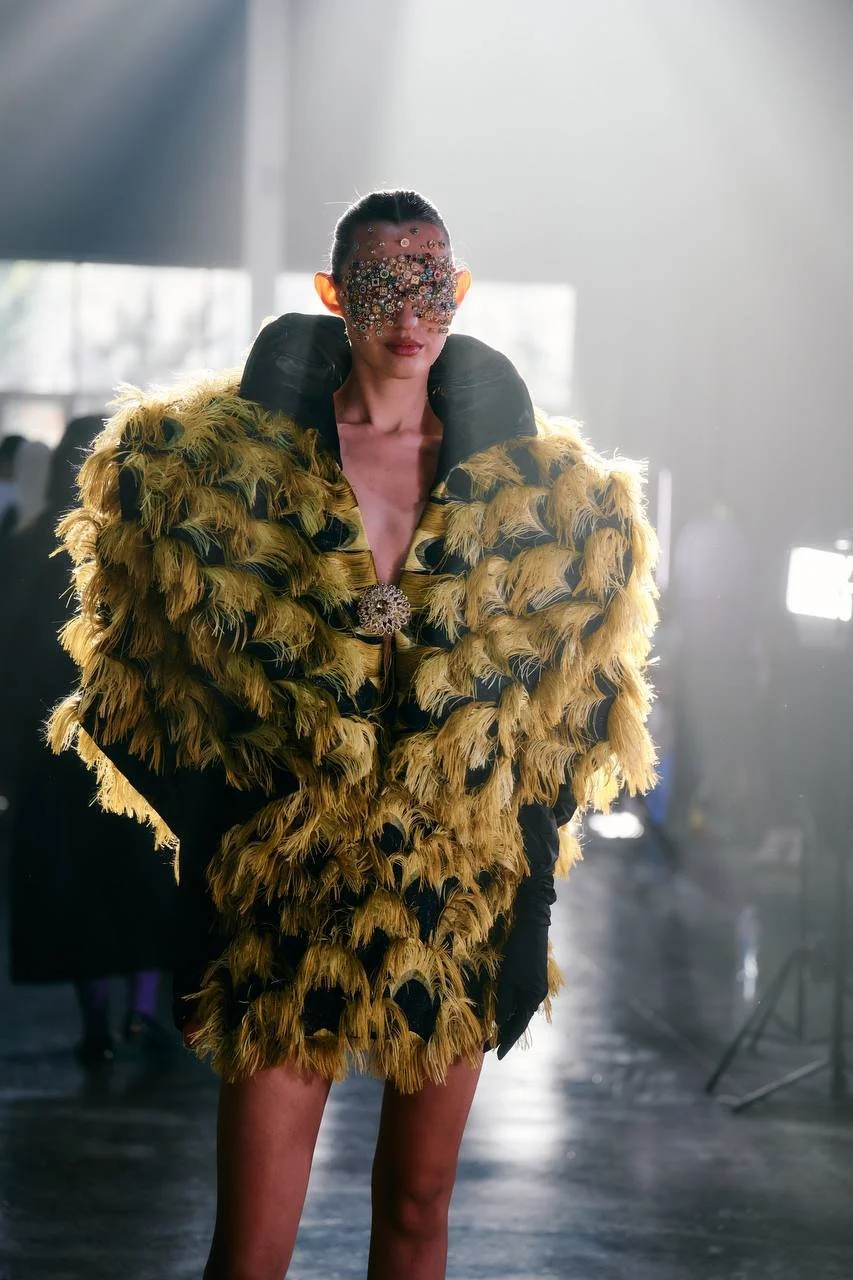
Of course, the industry still has room to grow. There are moments when styling becomes more expressive than the garments themselves where dramatic accessories, elaborate hairstyles, or visual effects attract more attention than the construction of clothing. While styling undoubtedly plays an important role in storytelling, truly memorable fashion emerges when every element works together: silhouette, craftsmanship, concept, and emotion. The strongest collections are not necessarily the loudest ones. They are the ones that leave an impression long after the runway lights have faded.
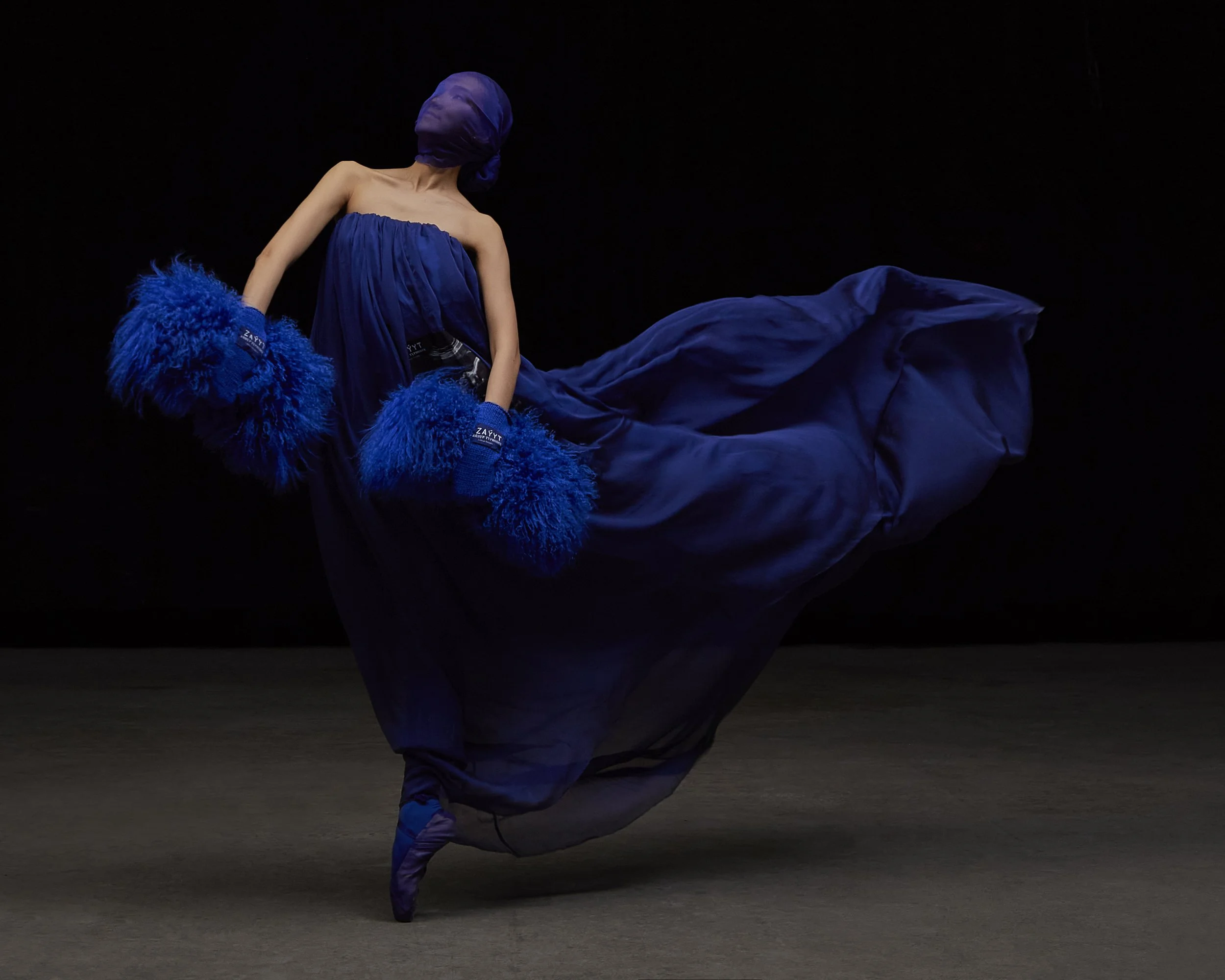
Photographer: Akhat Sabidulla
Designers Who Are Redefining the Narrative
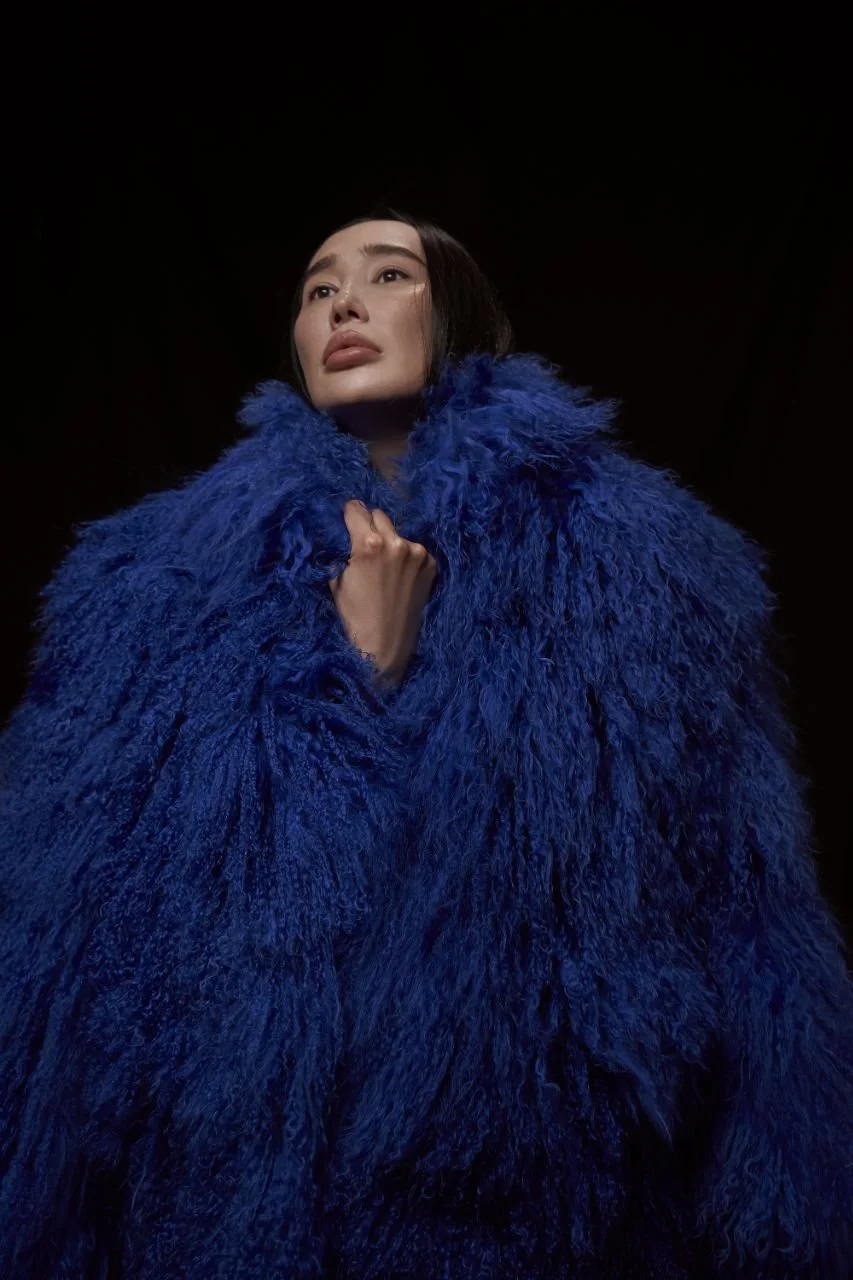
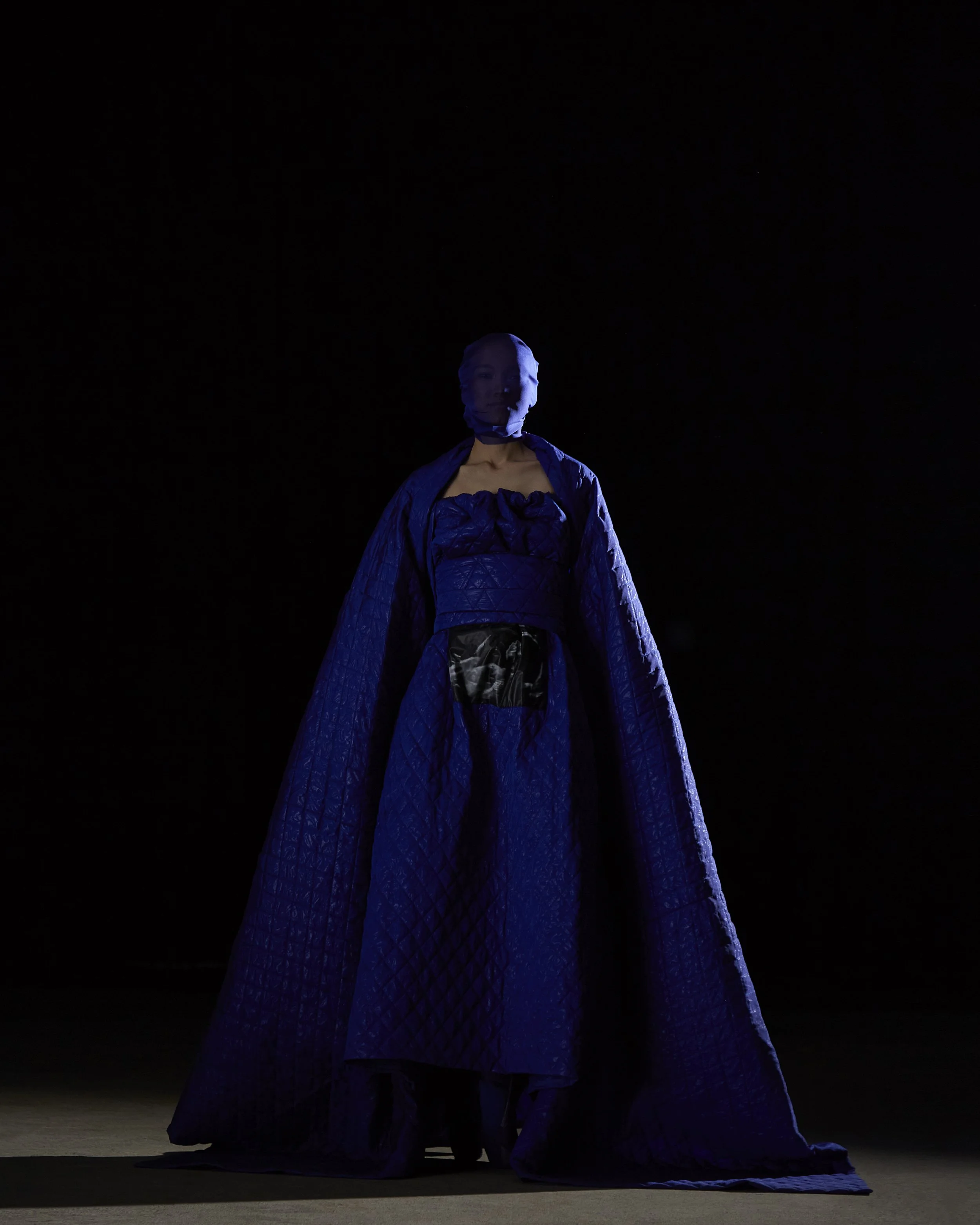
Every growing fashion industry eventually reaches a turning point. For Kazakhstan, that turning point is happening now. The new generation of designers is no longer trying to imitate the world's biggest fashion houses. Instead, they are beginning to build something far more valuable a creative language that belongs to Kazakhstan while remaining understandable to the rest of the world. One of the strongest examples of this evolution is Ainur Turisbek.
Rather than treating heritage as something untouchable, Turisbek transforms it into a living conversation. Her collections don't simply reference Kazakh culture; they reinterpret it. Traditional forms become contemporary silhouettes, while historical inspiration is reshaped into clothing that feels relevant today. What makes her work remarkable is balance. She respects the past without becoming trapped by it. Instead of recreating history, she allows history to evolve.
In a global fashion industry where authenticity has become increasingly valuable, this approach feels both honest and refreshing. If Ainur Turisbek represents thoughtful elegance, YESYES represents fearless experimentation.
The brand immediately stands out because it refuses to follow predictable formulas. There is irony, personality, boldness, and a strong visual identity that makes every collection instantly recognizable. Fashion often becomes memorable not because it is beautiful, but because it has character.
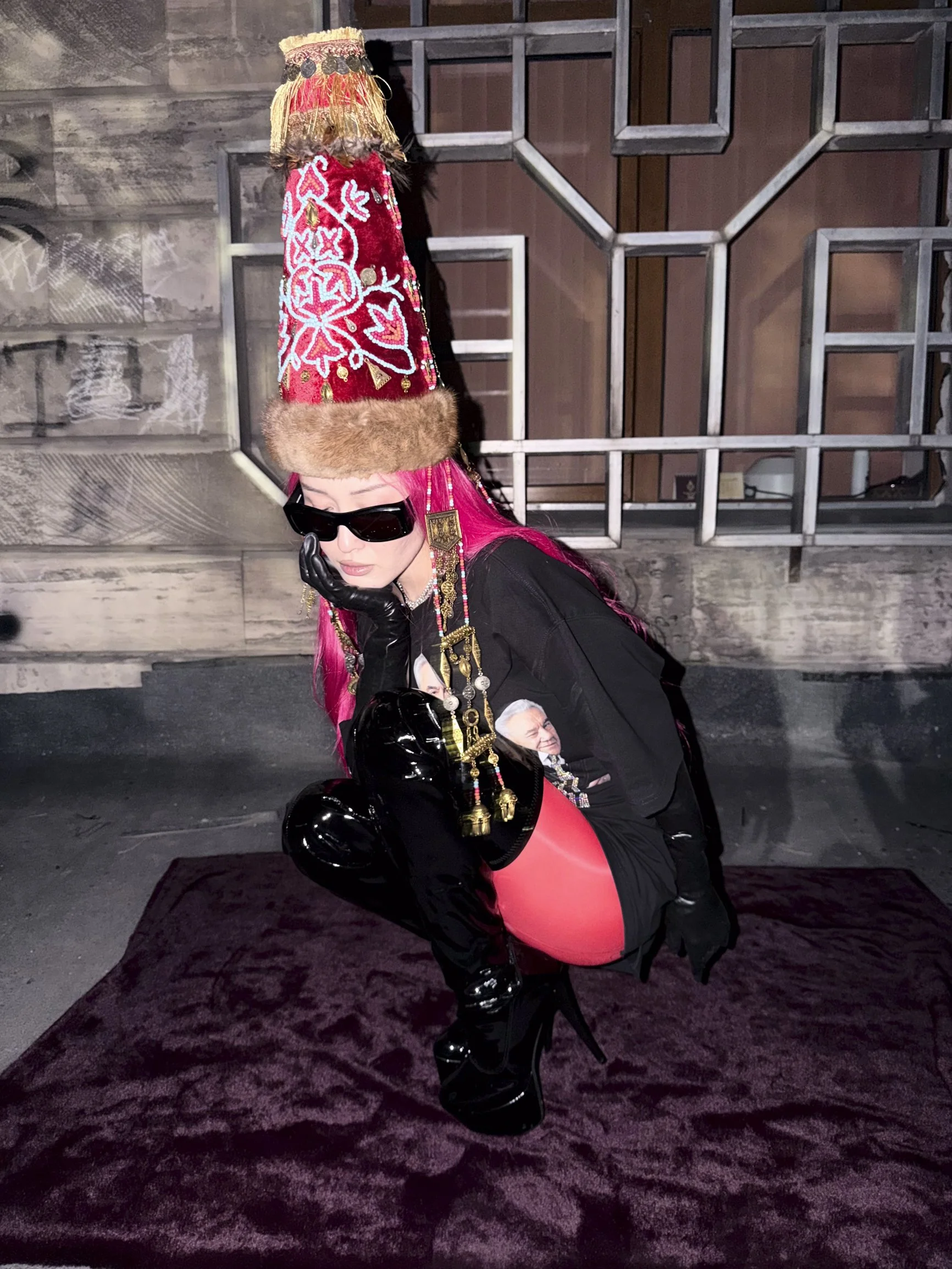
YESYES understands this perfectly.
Its collections feel playful without becoming chaotic and expressive without losing sophistication. Rather than chasing trends, the brand creates its own atmosphere one that reflects the confidence of a younger generation that is not afraid to question traditions while still respecting them.
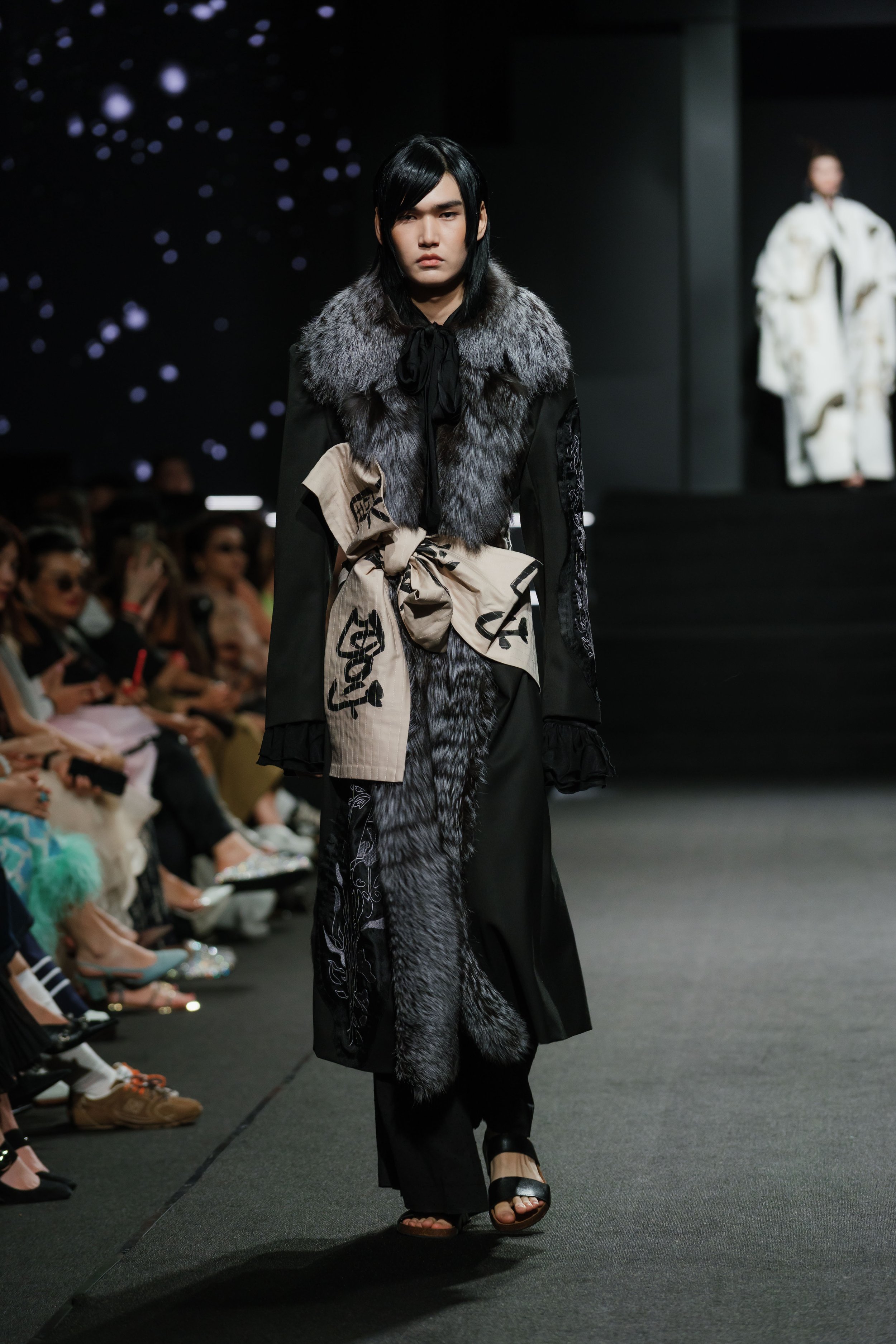
This willingness to experiment is exactly what keeps a fashion industry alive. Another designer helping shape Kazakhstan's contemporary fashion identity is ZHSAKEN, founded by Saken Zhaksybayev. ZHSAKEN represents a completely different side of modern Kazakh fashion. Where some designers communicate through bold experimentation, ZHSAKEN speaks through refinement. Clean tailoring, elegant silhouettes, and careful craftsmanship become the foundation of the brand's identity. There is confidence in restraint a reminder that sophistication does not always need to be loud.
ZHSAKEN proves that contemporary Kazakh fashion can feel timeless while remaining deeply connected to its own cultural perspective. It is this diversity that makes today's fashion scene so exciting. There is no single aesthetic that defines Kazakhstan anymore.
Instead, there are multiple voices, multiple philosophies, and multiple ways of expressing identity. Beyond these names, more designers continue contributing to the industry's growth, each bringing a different interpretation of what Kazakh fashion can become. Some explore minimalism, others experiment with conceptual design, while many continue discovering new ways to reinterpret national heritage. Together, they are building something much larger than individual brands. They are building the future of Kazakh fashion.
Personal Reflection
My relationship with fashion began with storytelling. For a long time, I expressed my ideas through writing — through texts, reflections, and observations about the world around me. However, when I started exploring fashion concepts and creating visual ideas, I realized that stories do not exist only in words. They can also exist in silhouettes, colors, textures, and carefully considered details. Fashion became another form of communication for me a way to transform thoughts and emotions into something visual and meaningful. I had always understood that fashion could represent something deeper, but I never truly explored this idea until I began looking at it from the perspective of creation.
When I think about the future of Kazakh fashion, I do not believe it should be limited to one specific image. Fashion is constantly changing, and I believe its beauty lies in the ability to evolve. However, I would love to see Kazakhstan develop its own recognizable aesthetic one that combines authenticity, creativity, and a strong philosophy behind every piece. Being a part of Central Asia, Kazakhstan has a rich cultural background filled with legends, myths, traditions, and stories that can inspire a unique fashion identity. Instead of only repeating familiar images of warriors (batyrs¹ — traditional heroic figures in Kazakh history and culture), traditional costumes, or historical symbols, we can reinterpret them through a modern perspective. The goal is not simply to preserve the past, but to create something new while keeping the depth and meaning behind our heritage.
I decided to write this article because I am currently exploring my own path in the fashion industry and wanted to understand how identity can be expressed through creativity. I hope this story encourages people to look at fashion differently not only as clothing, but as a form of art, culture, and storytelling. In the future, I would love to contribute to this industry as a creative director and a person who connects different fields of fashion, media, and culture. For me, the most influential creators are those who do not simply follow trends, but create new perspectives, build meaningful ideas, and inspire others to see the world from a different point of view.
Photography Credits
Photography featured throughout this editorial is credited to the following creatives.
Vera Okladnikova · Akhat Sabidulla · Nadi Valieva · Goldie Williams · YESYES! · Timur Epov
Contemporary Kazakh fashion is developing a distinctive creative identity through emerging designers, fashion photography, and a renewed dialogue between cultural heritage and modern design. From Ainur Turisbek and YESYES to ZHSAKEN, a new generation of creatives is exploring how Kazakhstan can establish its own voice in the international fashion industry.
In this HUMBLE Magazine feature, we examine the designers, fashion platforms, photographers and creative perspectives contributing to the evolution of Kazakhstan's fashion landscape.