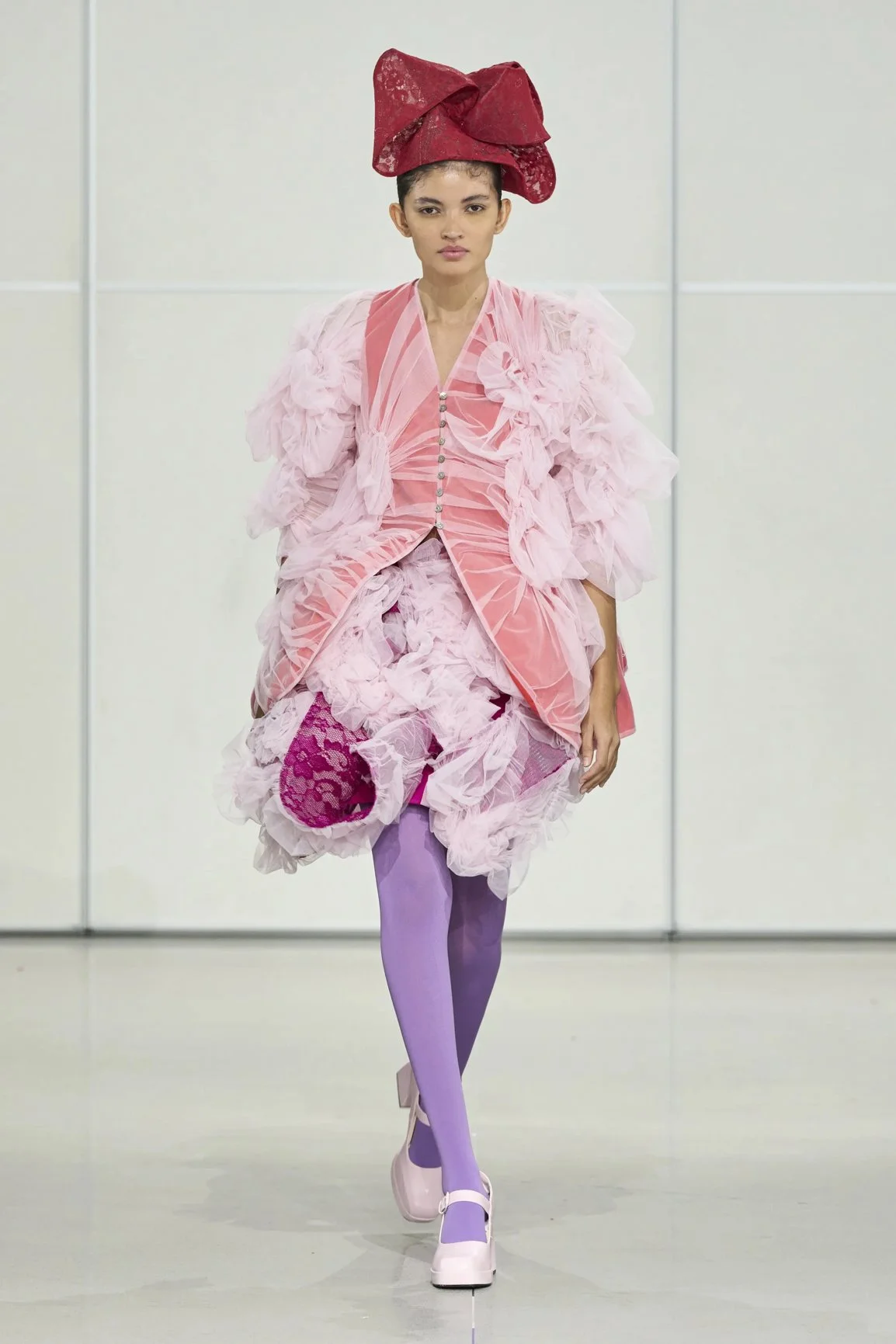
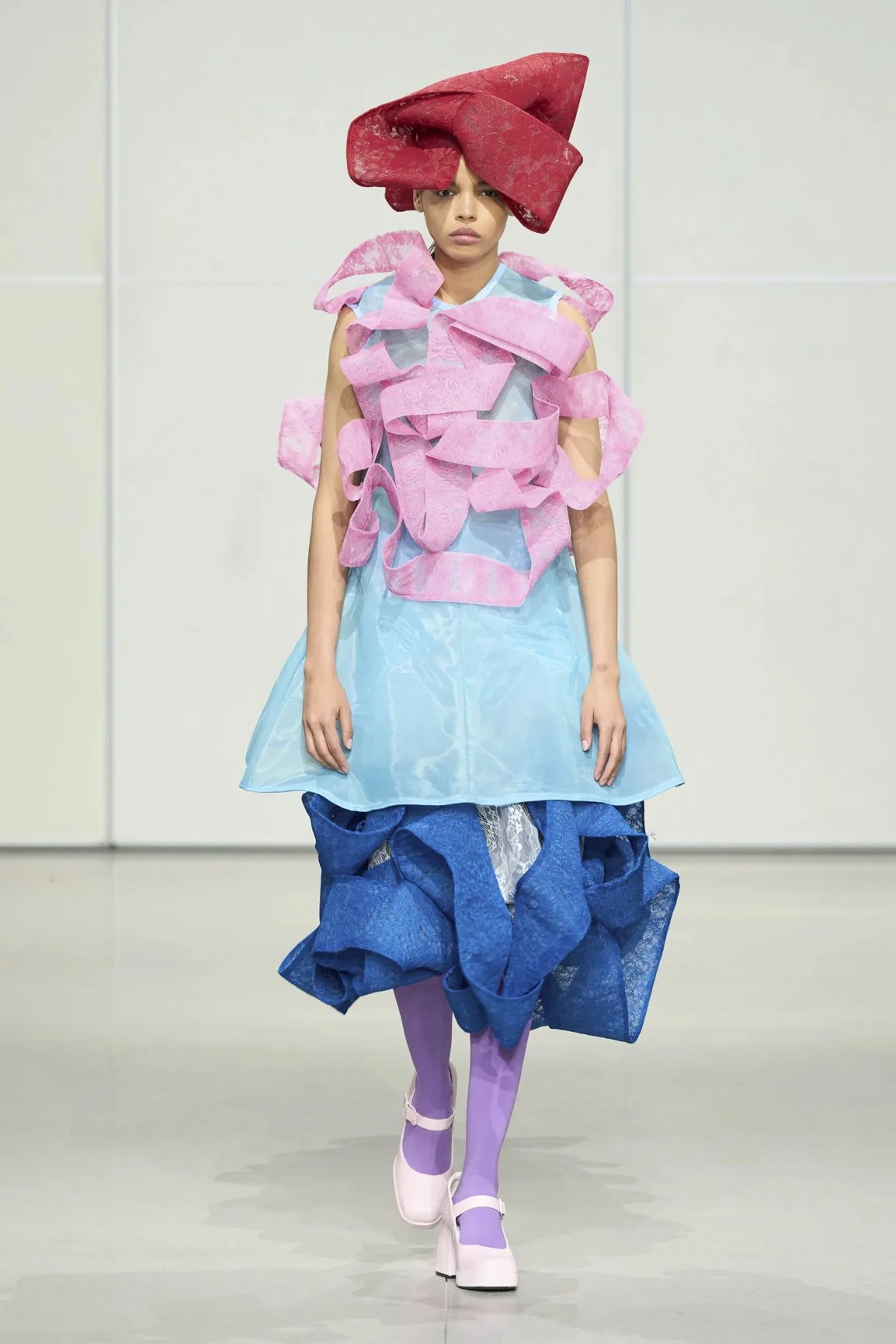
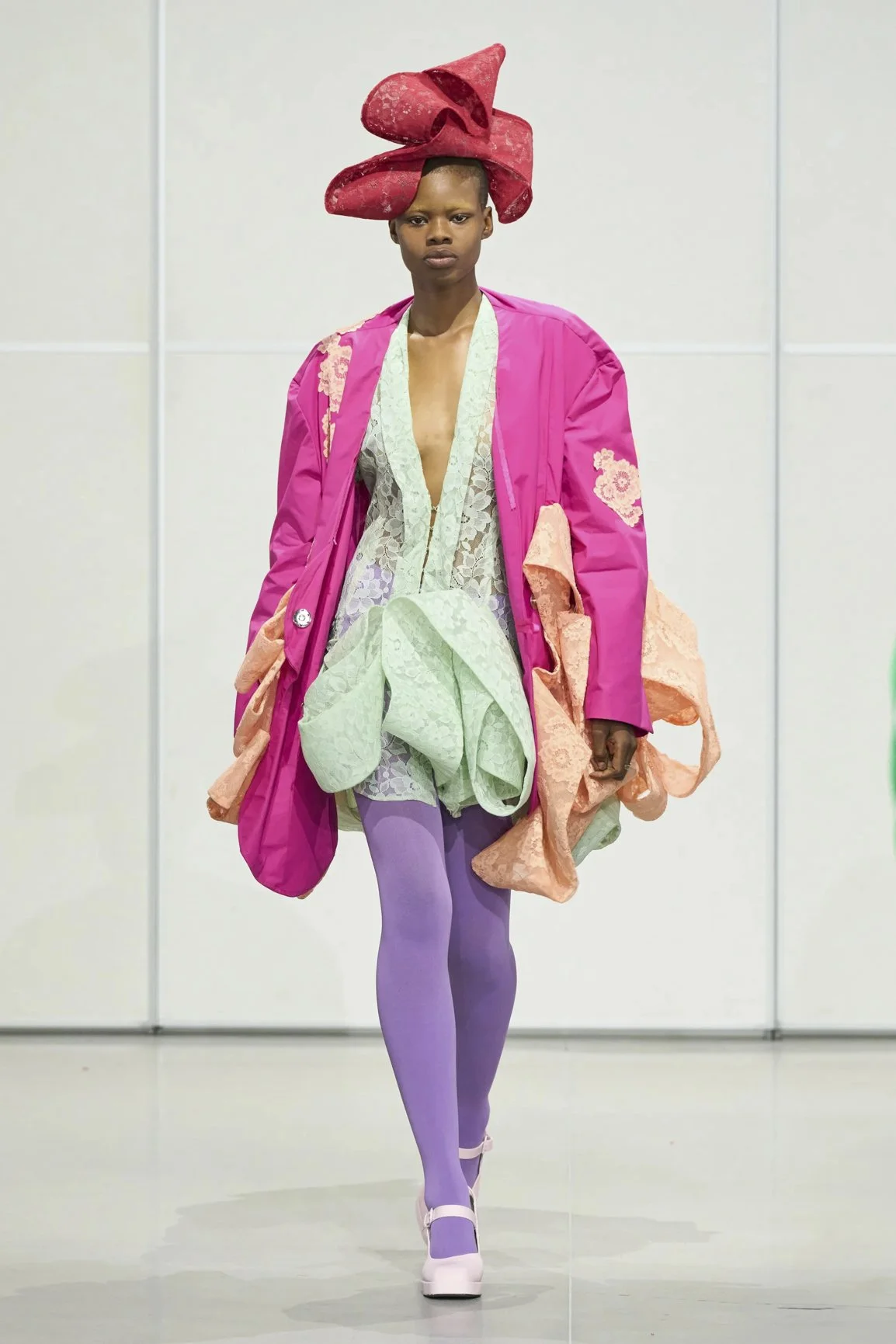
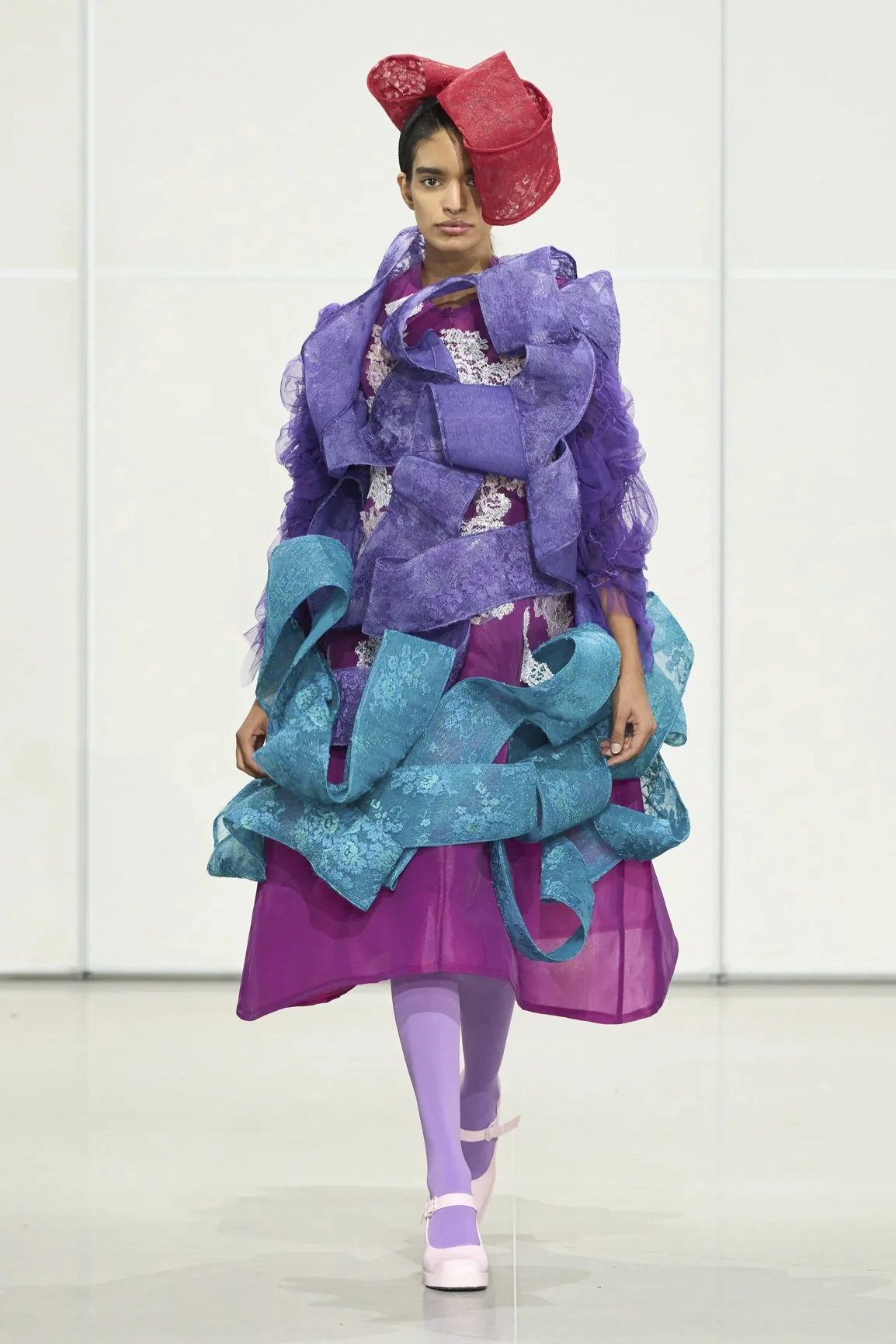
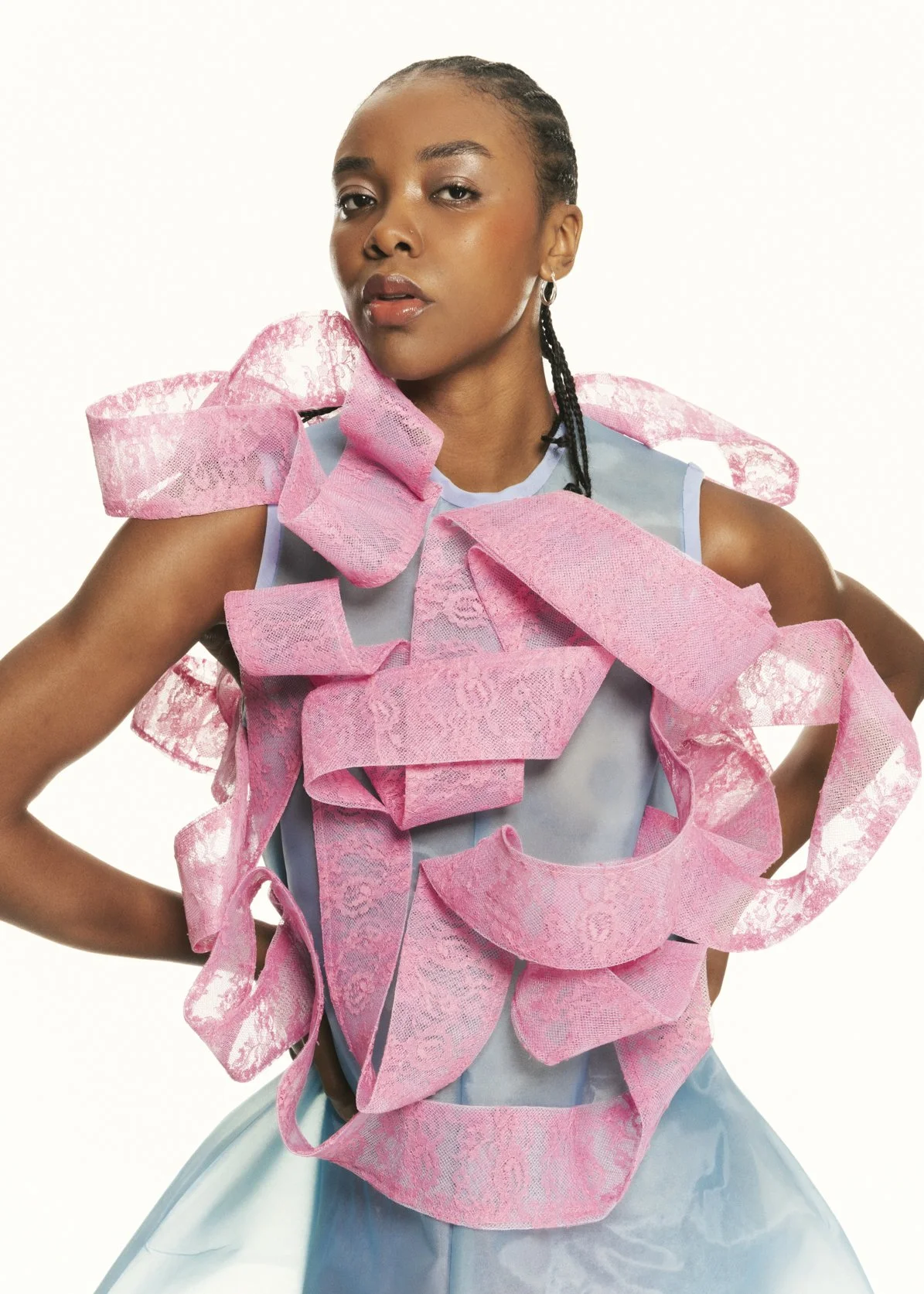
Karina Nasywa Bakri Is Building a New Language for Indonesian Craft in New York
There is a particular kind of confidence that comes from knowing exactly where you are from. Not as a marketing line, not as a moodboard shortcut, but as a living archive that keeps moving. Karina Nasywa Bakri, the Indonesian womenswear designer based in New York City, designs from that place: heritage as material, memory as structure, craft as a future-facing system.

With over five years of luxury experience across houses
Including 3.1 Phillip Lim, Gabriela Hearst, Prabal Gurung, and Proenza Schouler, and an MFA in Fashion Design and Society at Parsons (completed in 2025), Bakri’s work carries both polish and urgency. She is currently working at Zero + Maria Cornejo, a studio known for sculptural pragmatism and intelligent drape, which feels like a natural home for her point of view.
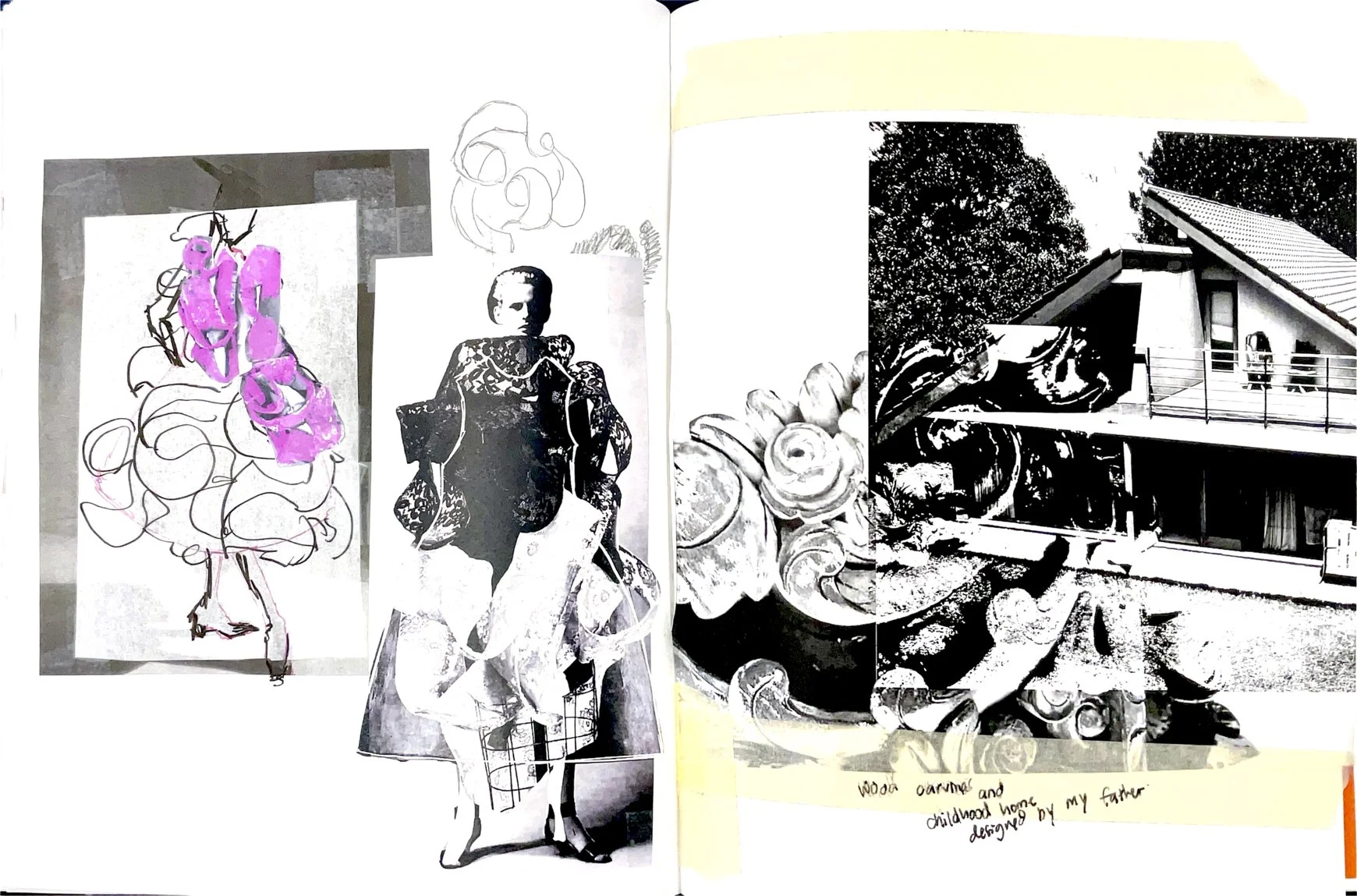
Drawing as a backbone, not an afterthought
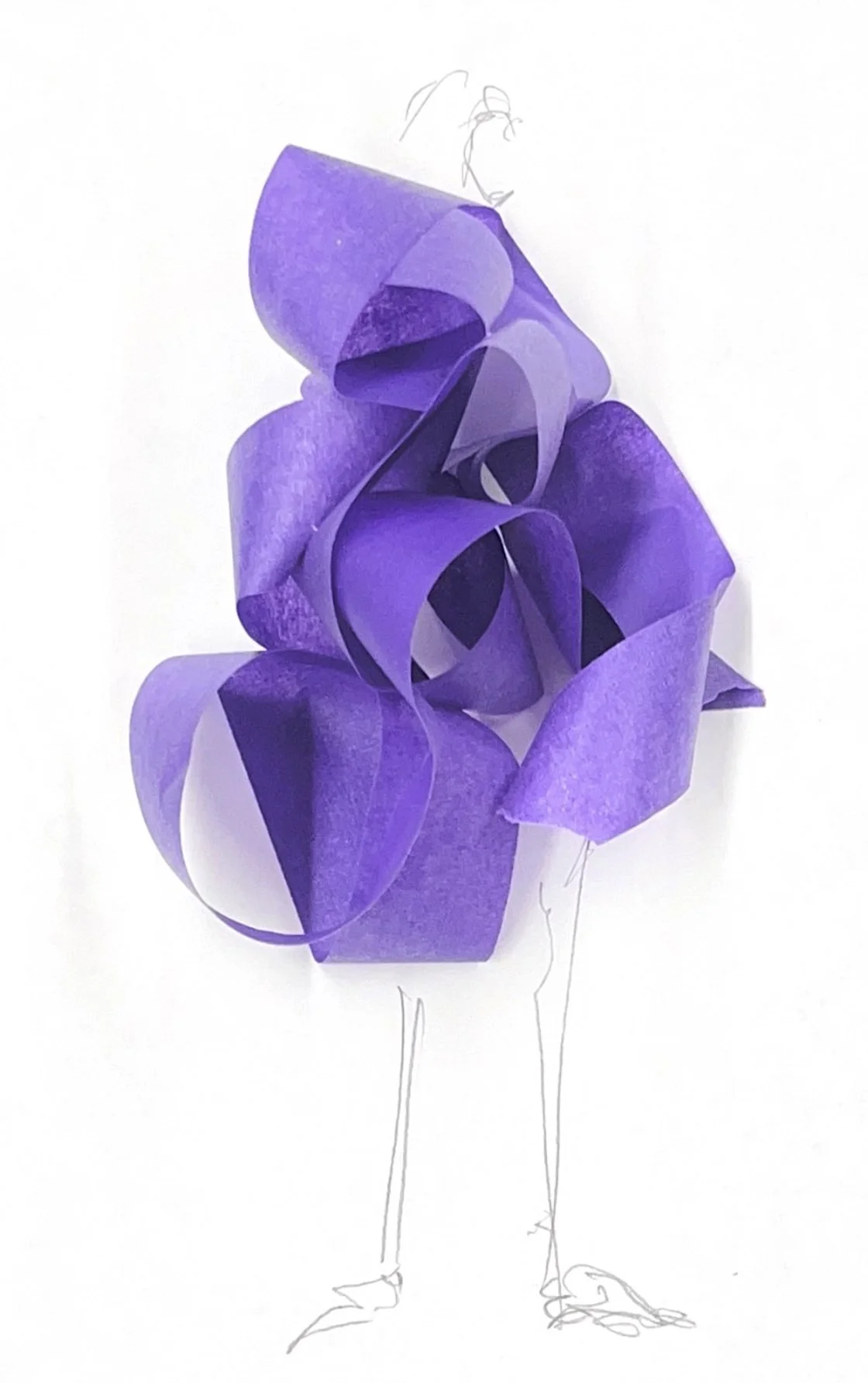
Bakri’s origin story begins with line. Growing up in Jakarta, she learned drawing and painting from her architect father, and those gestural marks still sit at the core of her process. In her world, sketching is not decoration for the portfolio. It is blueprint, rhythm, and muscle memory.
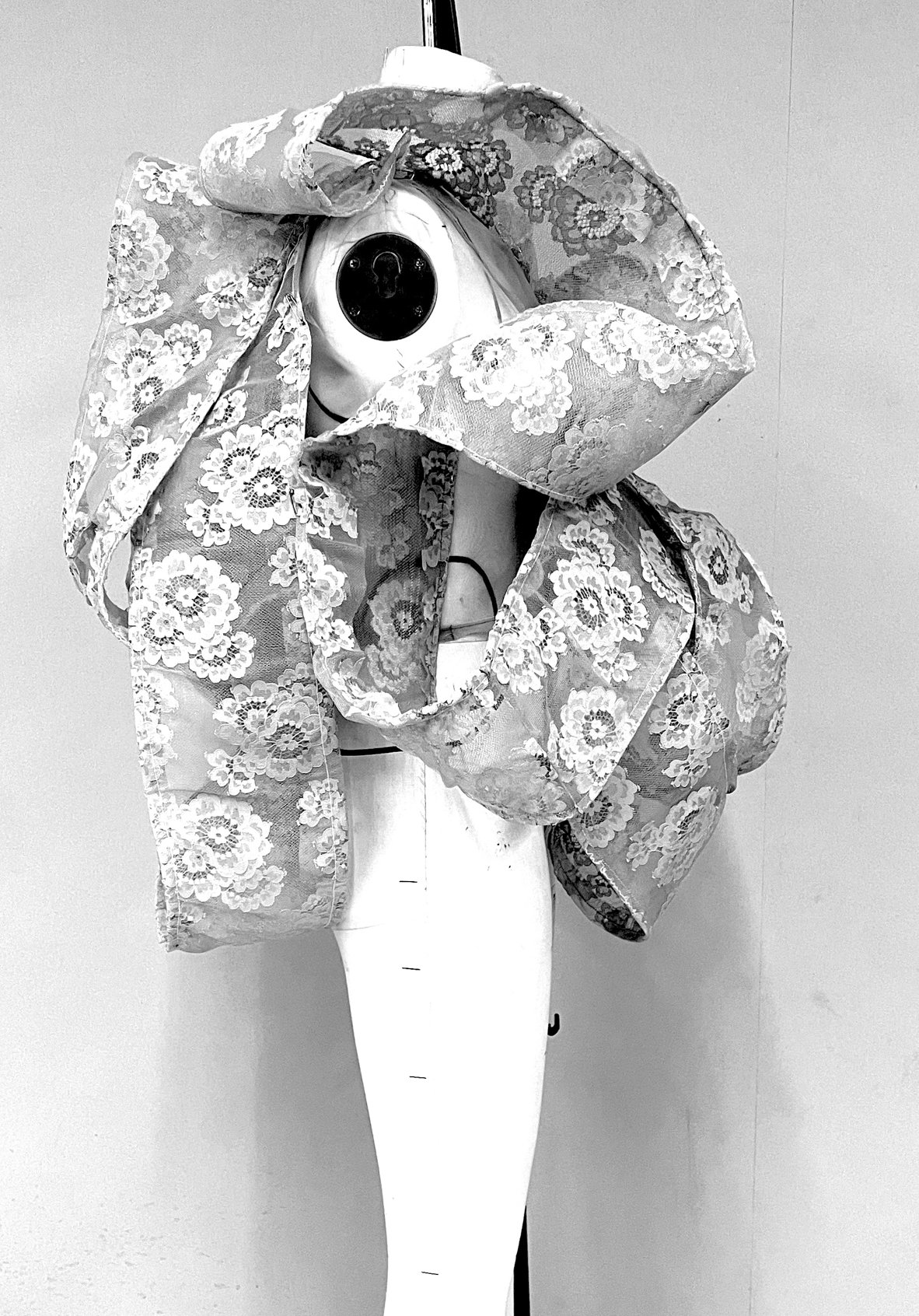
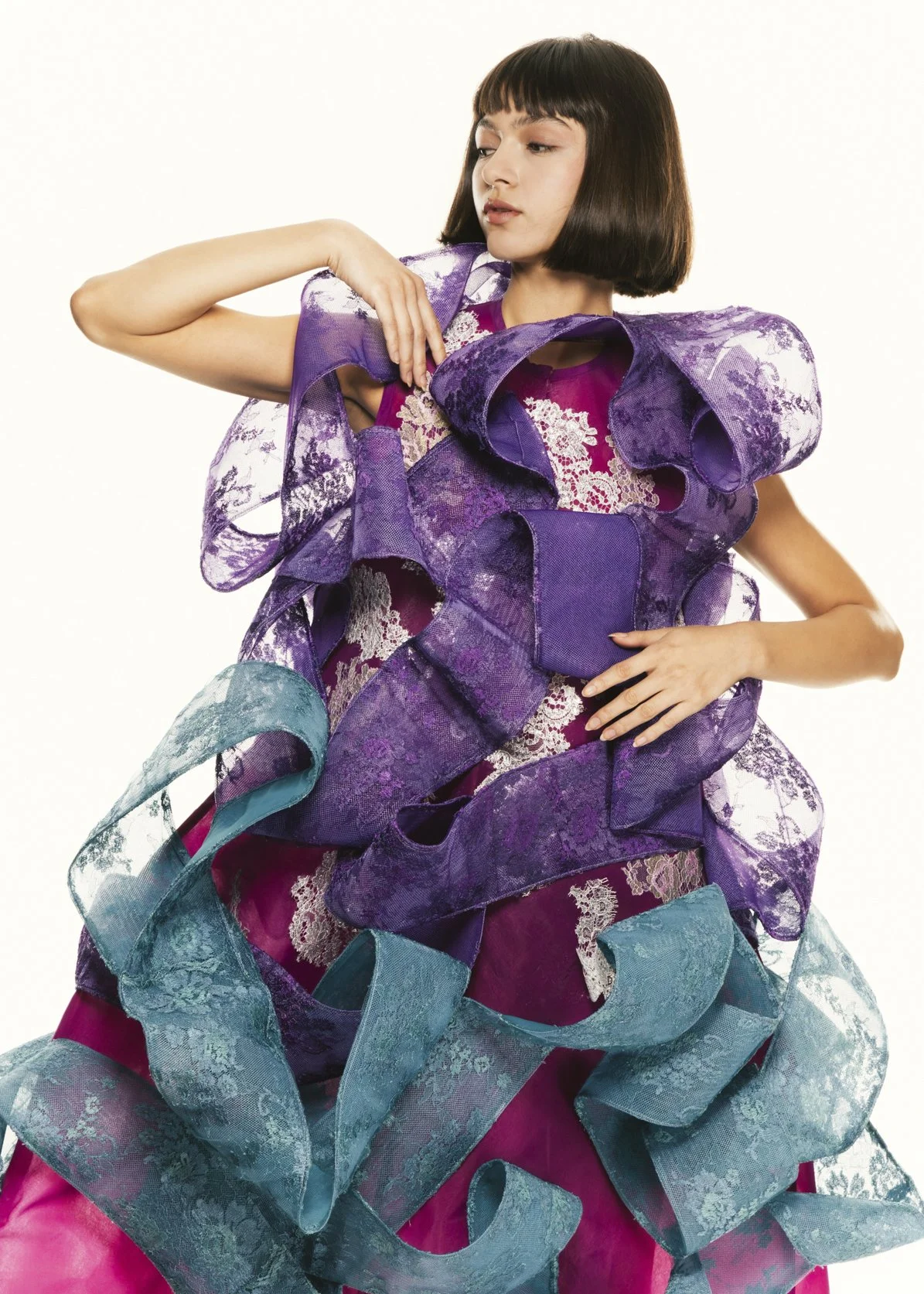
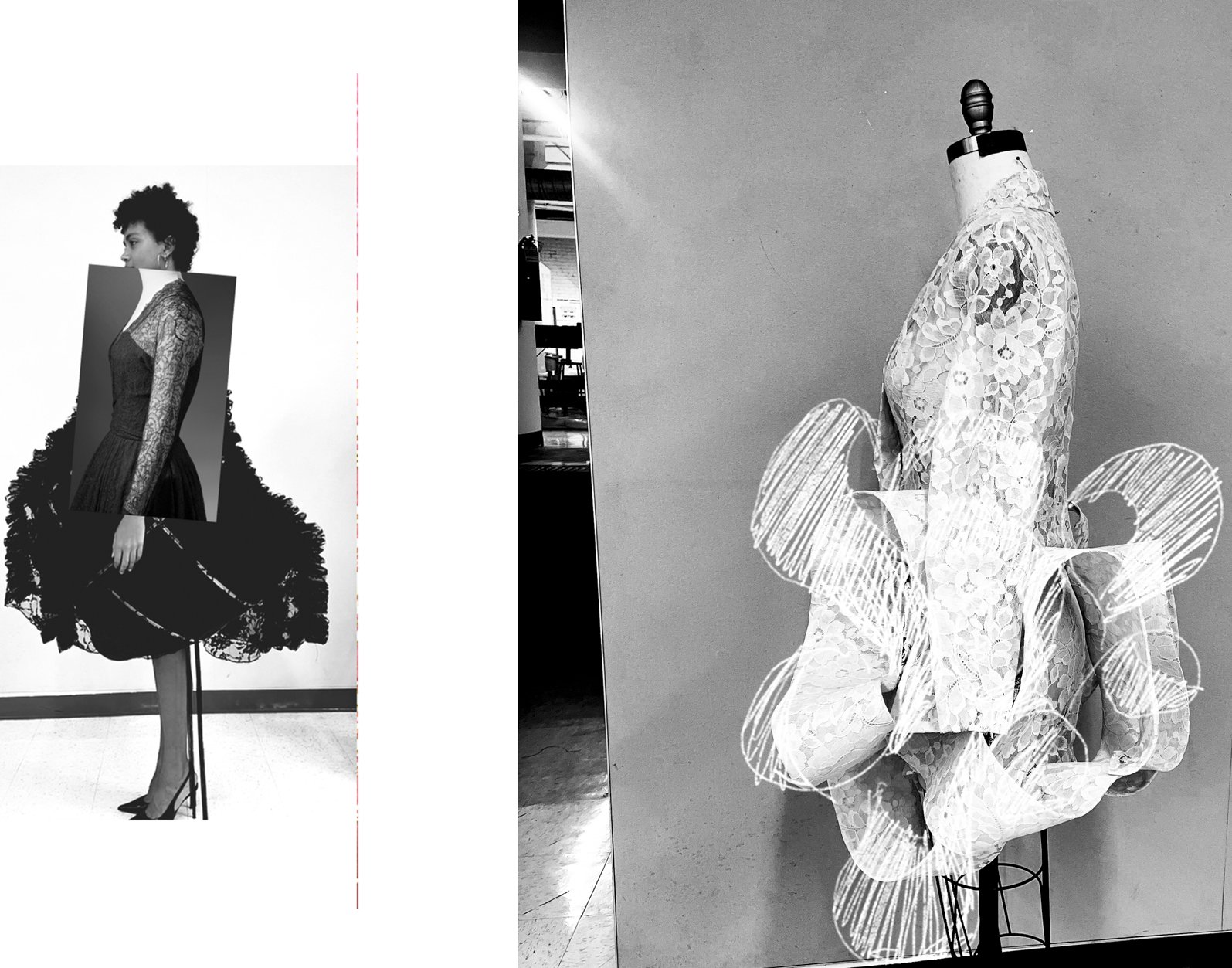
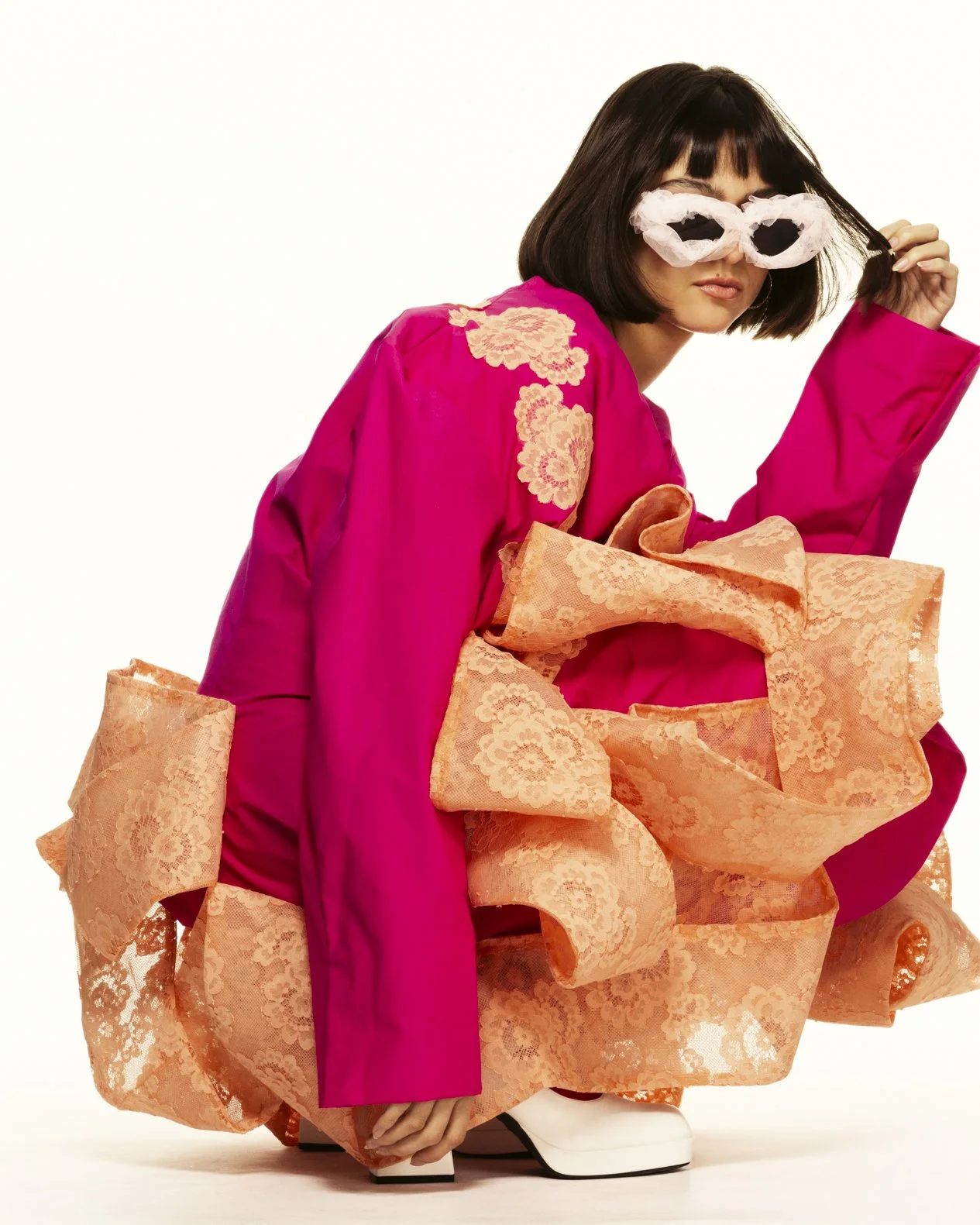
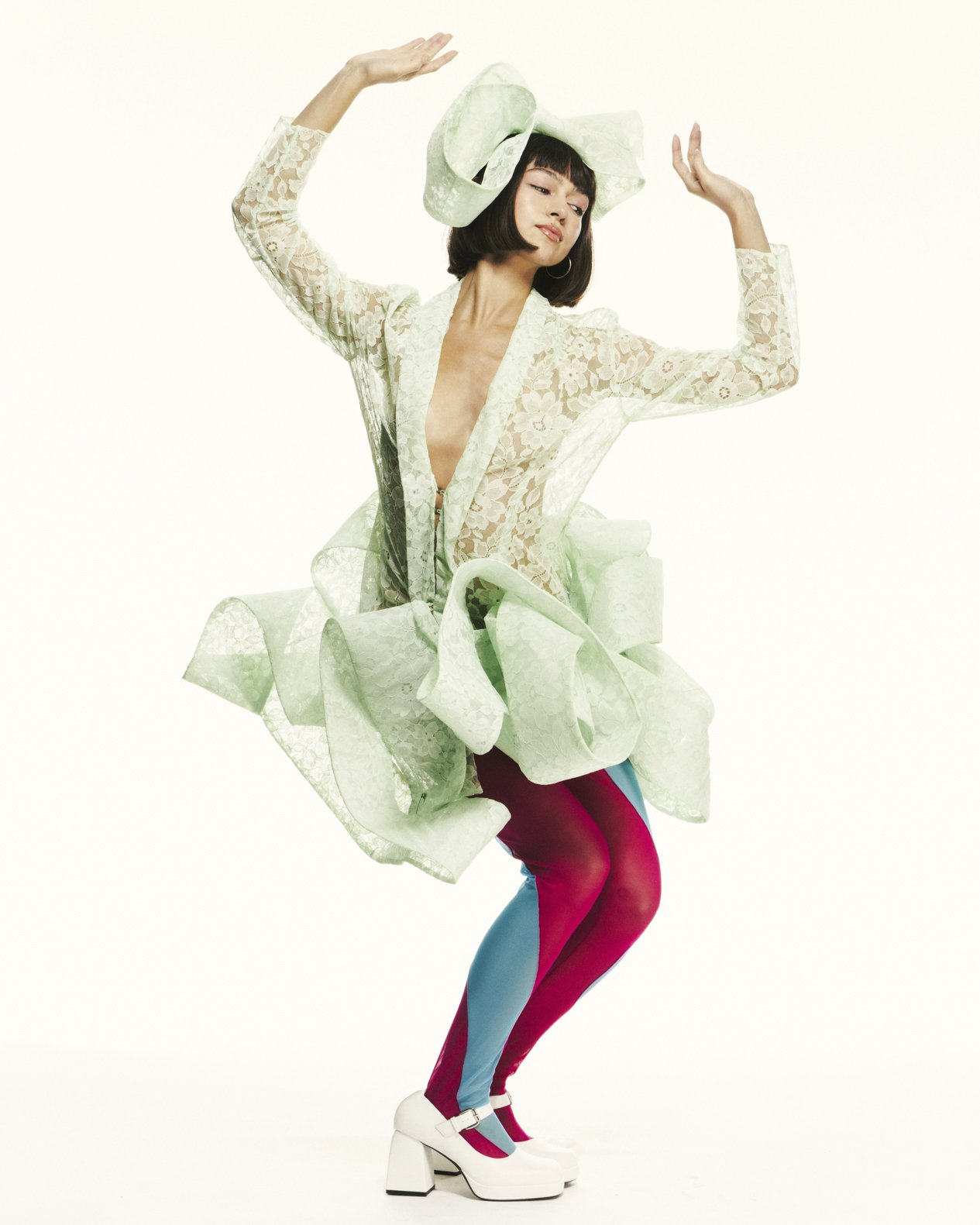
That discipline translates into silhouettes that read as constructed yet fluid: volume that moves, transparency that layers, color that refuses to behave.
Film logic, textile emotion
Her influences lean cinematic. She cites experimental filmmakers like Stan Brakhage, and you can feel that sensibility in how the clothes behave: flashes of color, shifts in opacity, bodies revealed and concealed through motion instead of exposure.
This is clothing that understands the camera, but it is not made to be trapped inside it.
Deadstock as a design ethic, not a trend
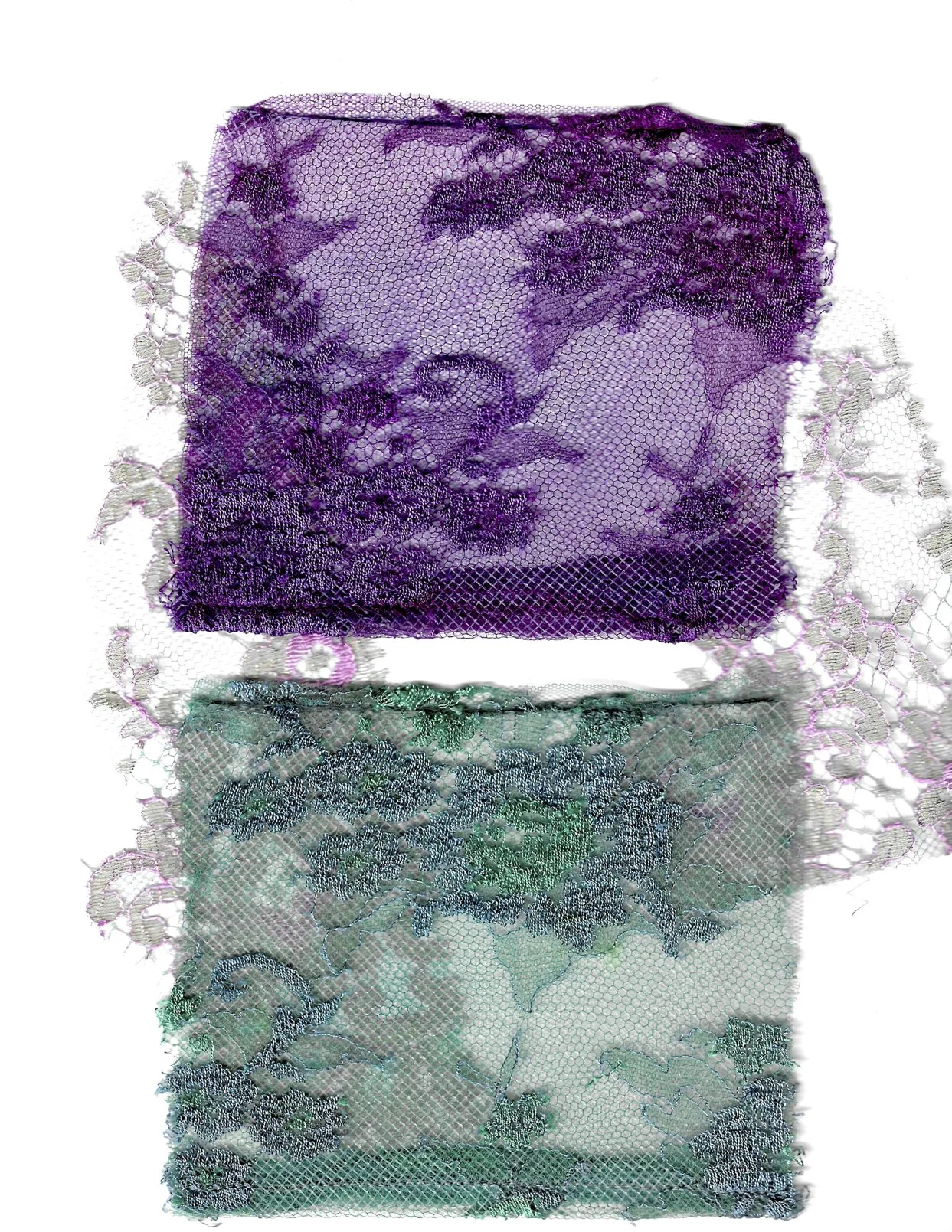
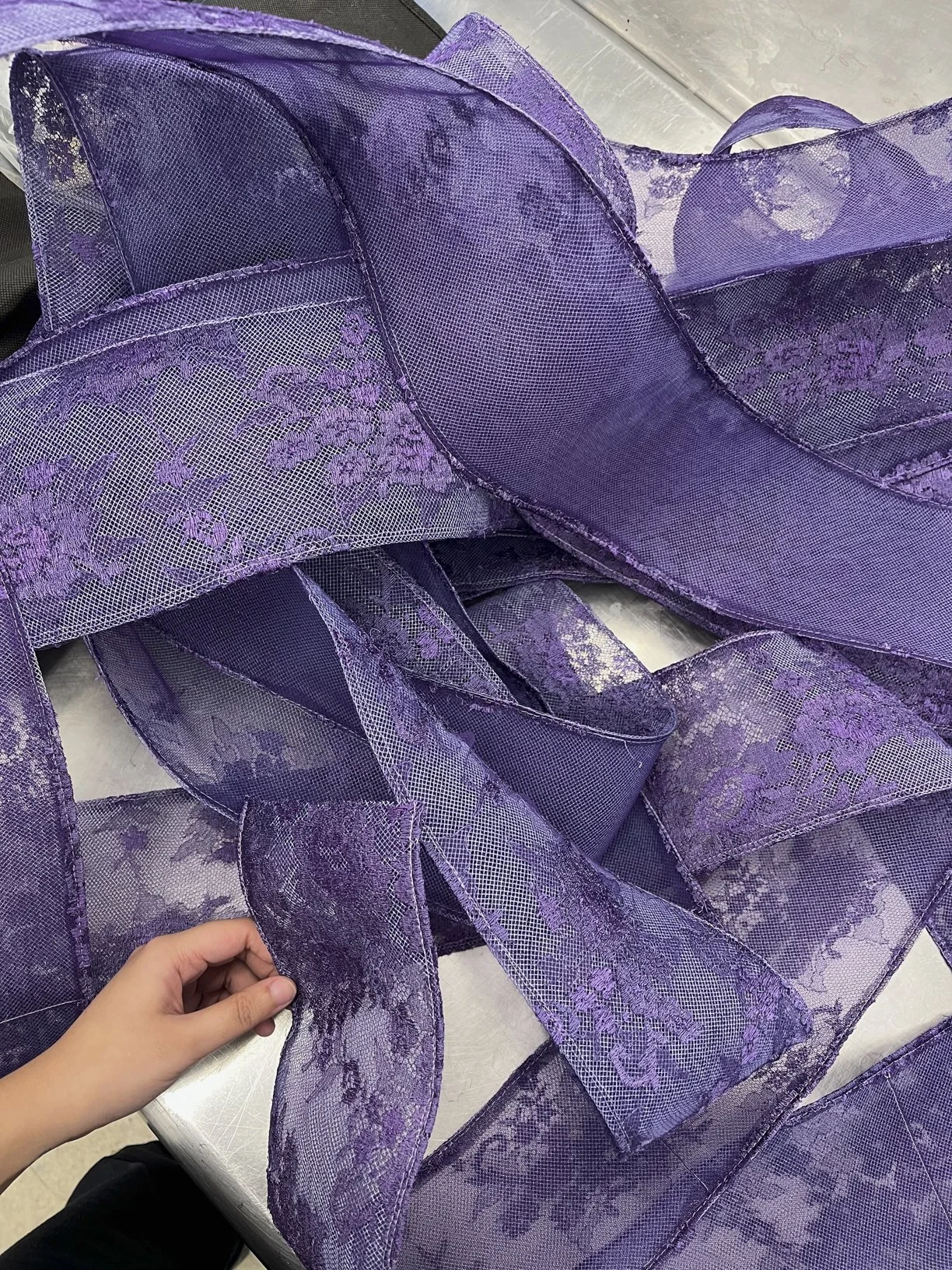
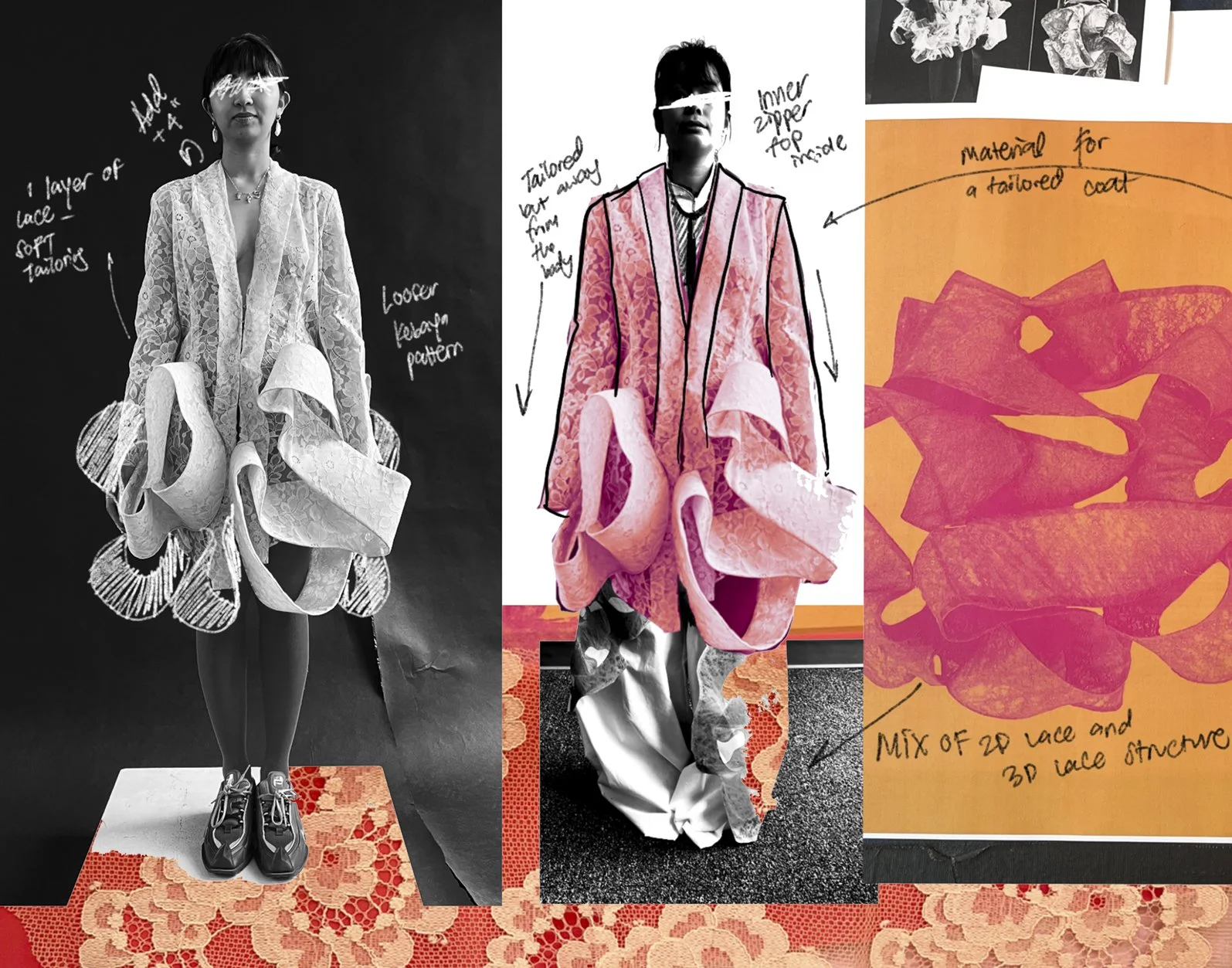
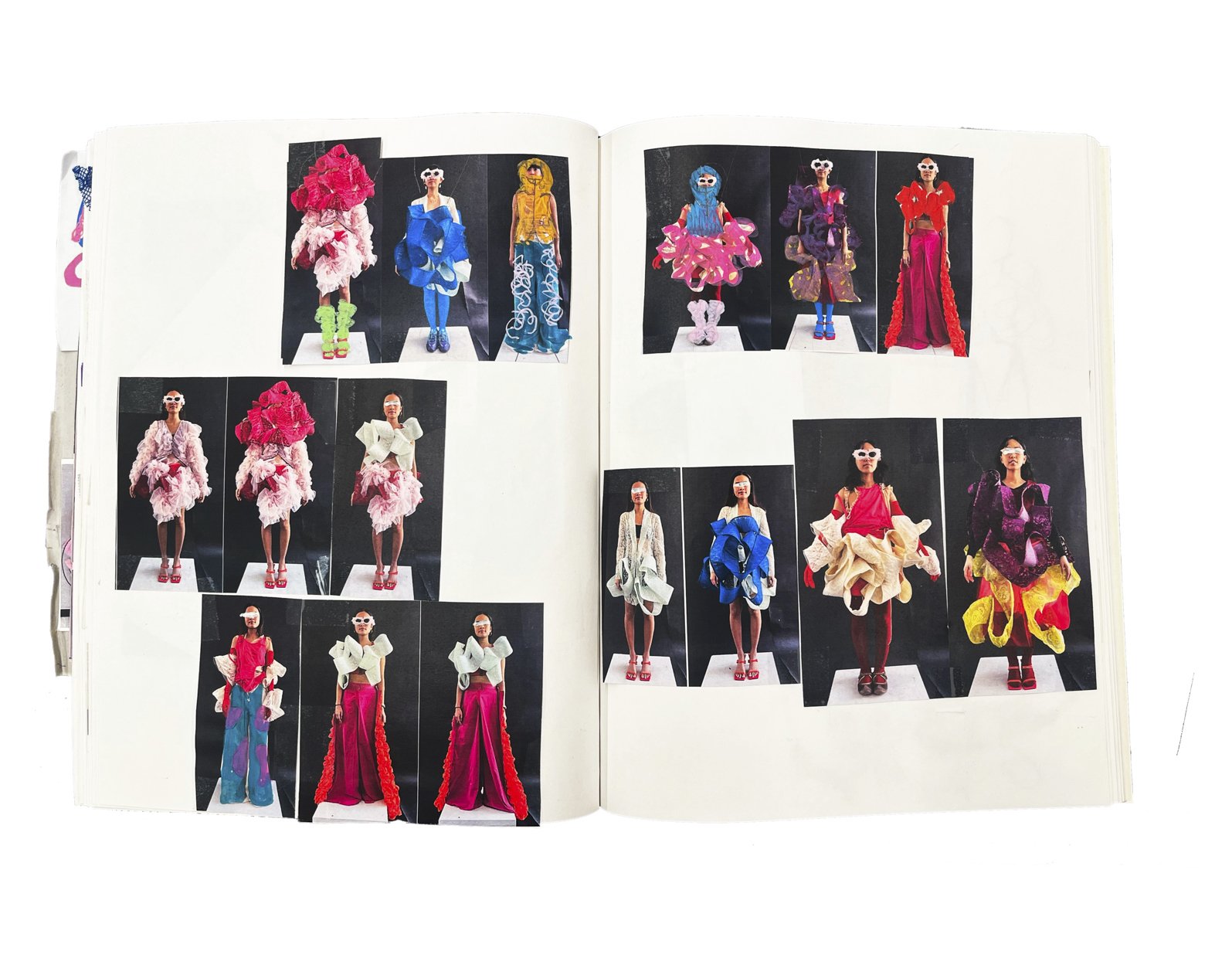
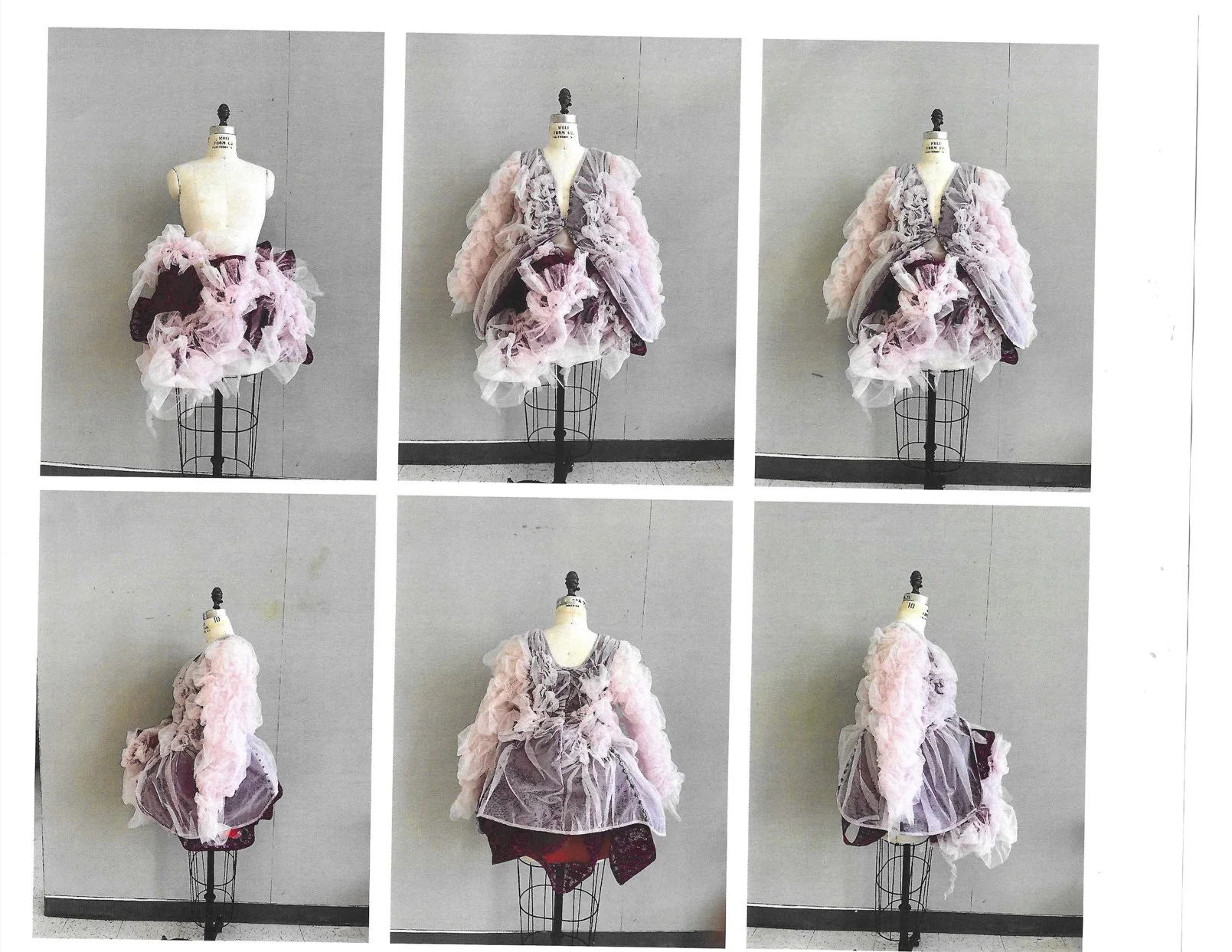
Since 2020, Bakri has focused on transforming deadstock and discarded materials into tactile textiles. The result is not “sustainable minimalism.” It is the opposite: intense palettes, layered sheers, surfaces that look worked on, lived in, re-imagined.
There is a quiet challenge in that choice. If you are going to work with what already exists, you have to bring more imagination, not less.
From runway visibility to a broader cultural footprint
Bakri’s work has been presented across major platforms including Vogue Runway, and her practice has moved through fashion weeks and international showcases. On her own site, her press list reads less like a checklist and more like a map of momentum: graduate showcases, film and textiles programming, exhibitions, and a widening set of publications across fashion and culture.
The through-line is clear: she is not simply “emerging.” She is building infrastructure around a signature language.