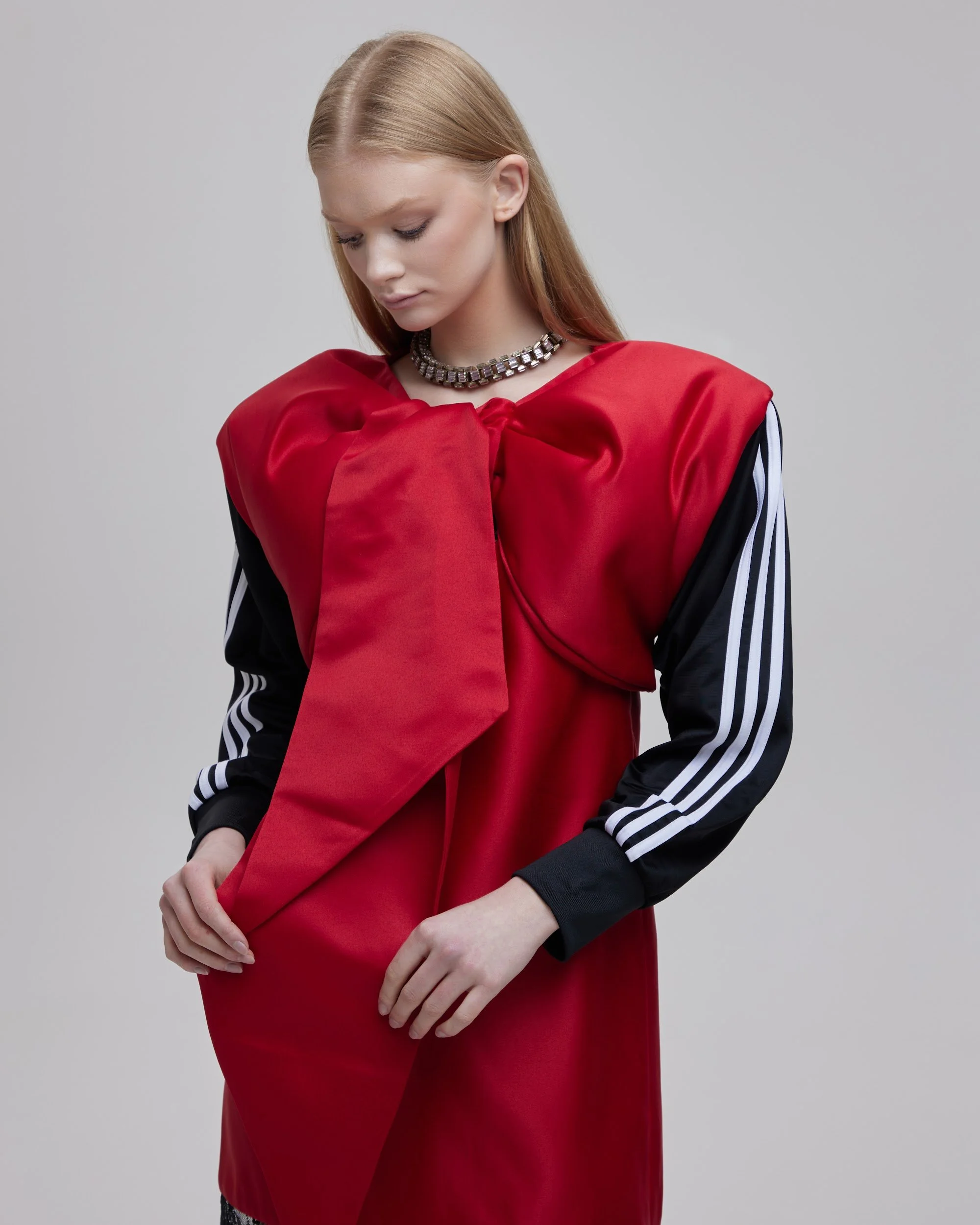
BAÉ AW26 Reworks Adidas Baltic Into a New Language of Contemporary Femininity
BAÉ’s AW26 collaboration with Adidas Baltic offers a considered reworking of sportswear codes through sculptural tailoring, soft draping, and a distinctly feminine point of view. Rooted in upcycling and slow fashion, the collection signals a compelling direction for modern occasion wear.
A Collection Built on Reinvention
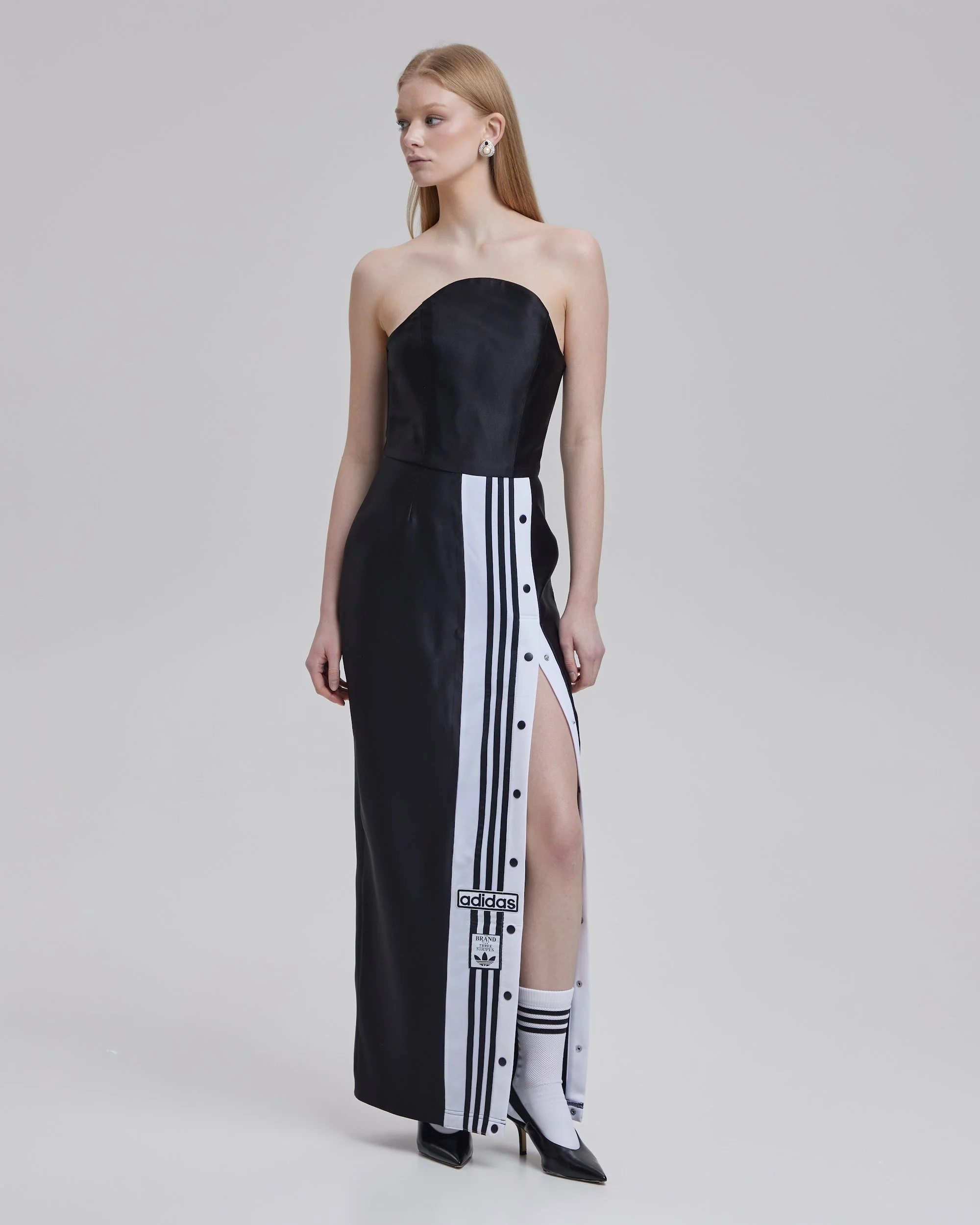
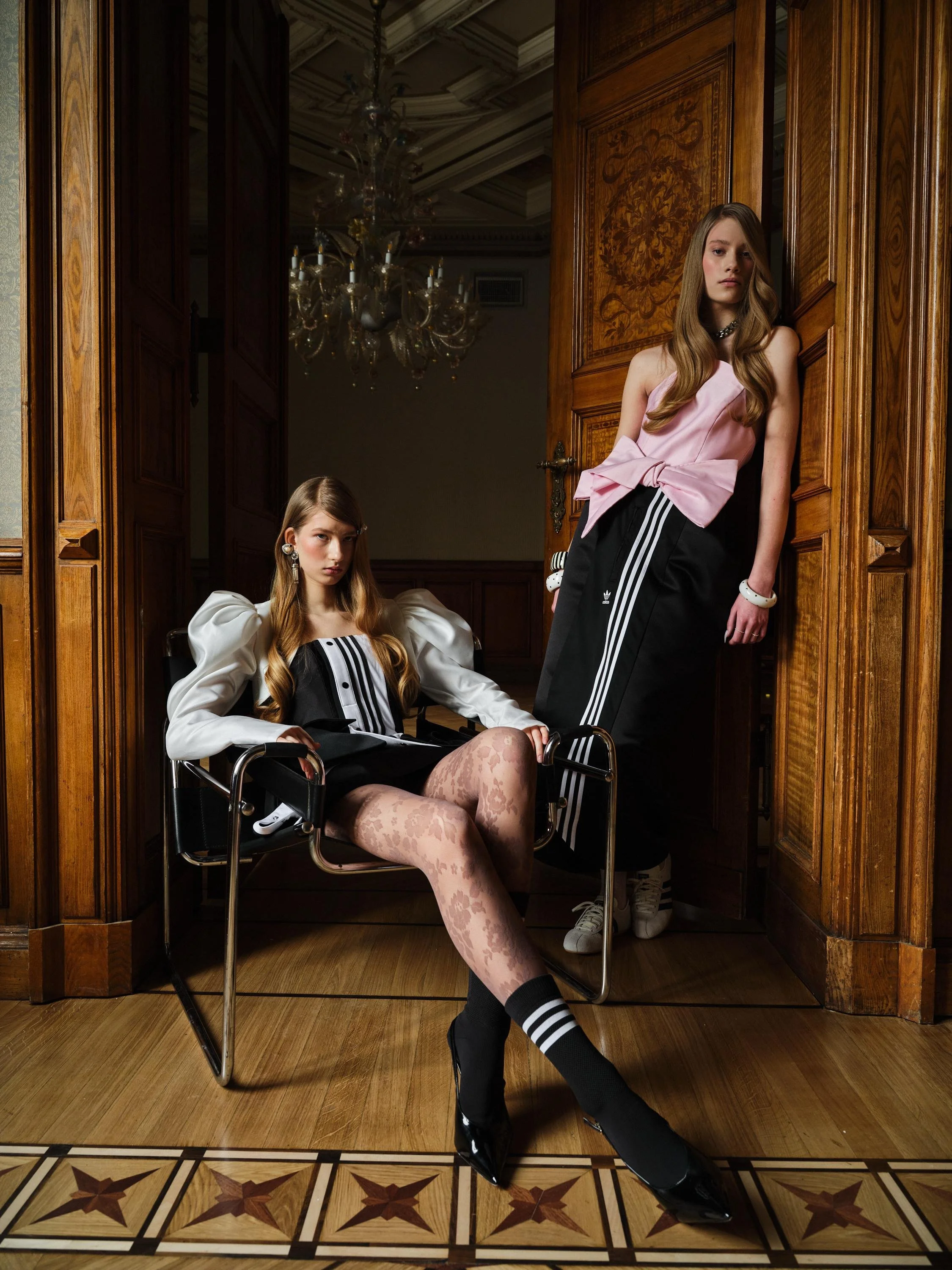
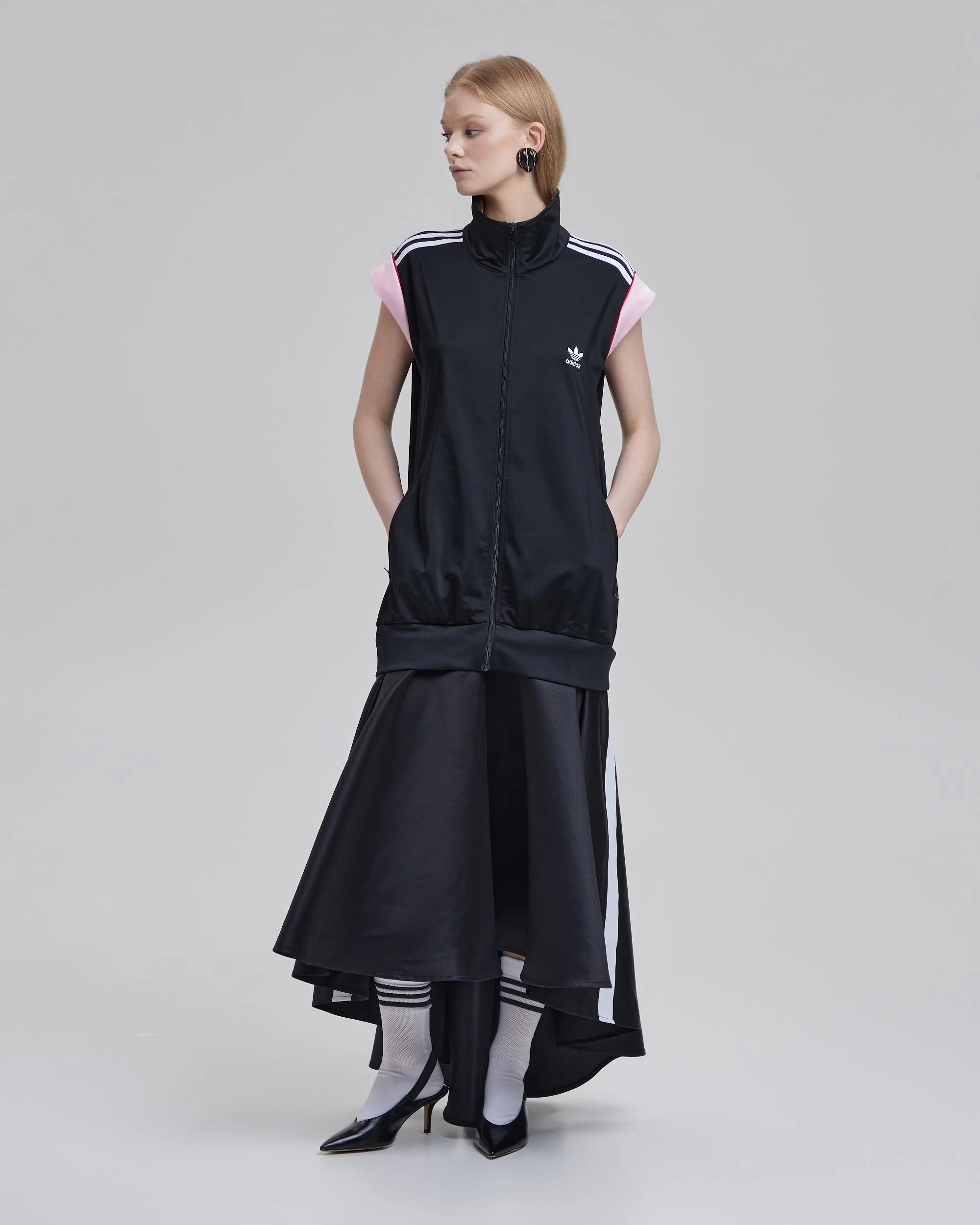
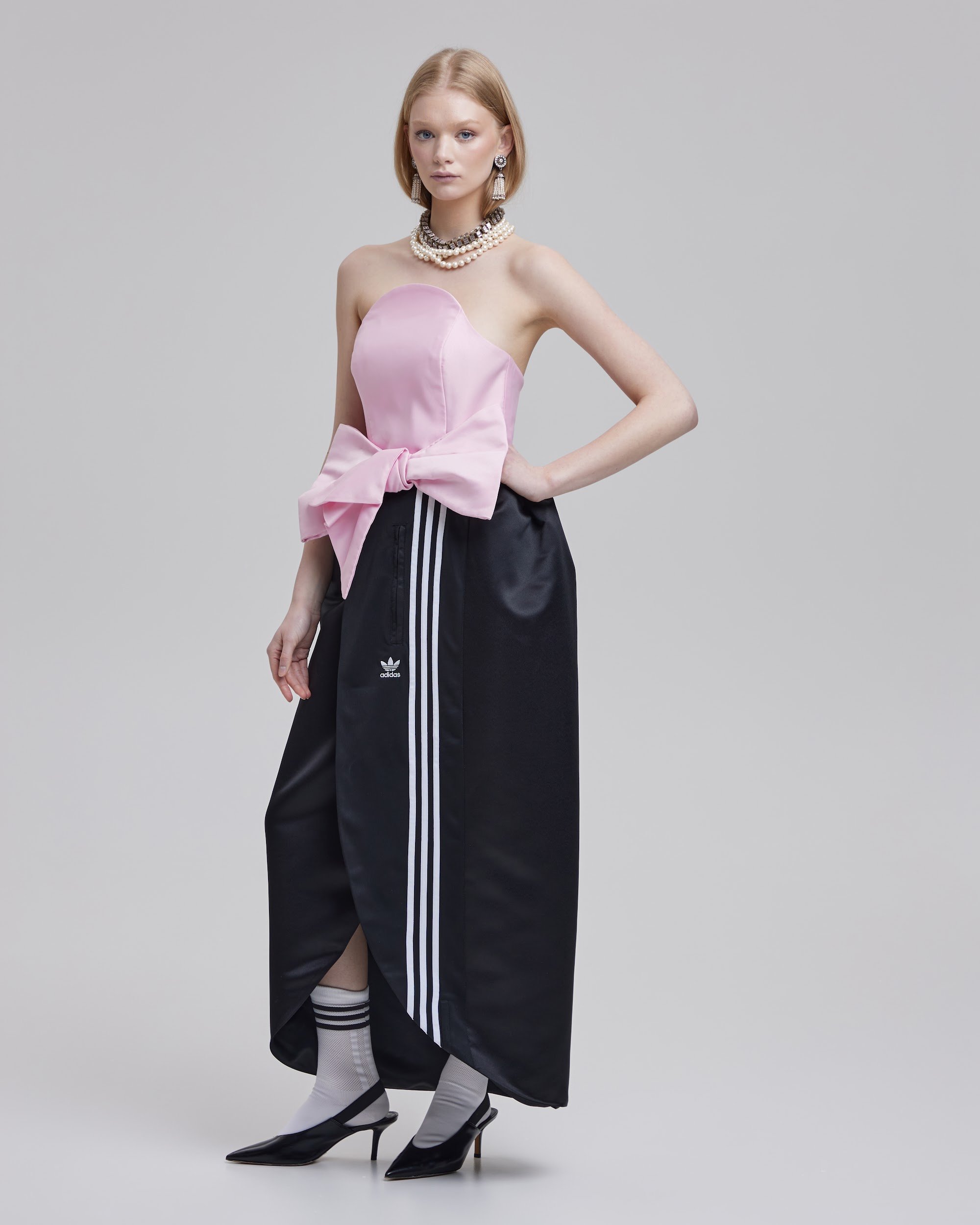
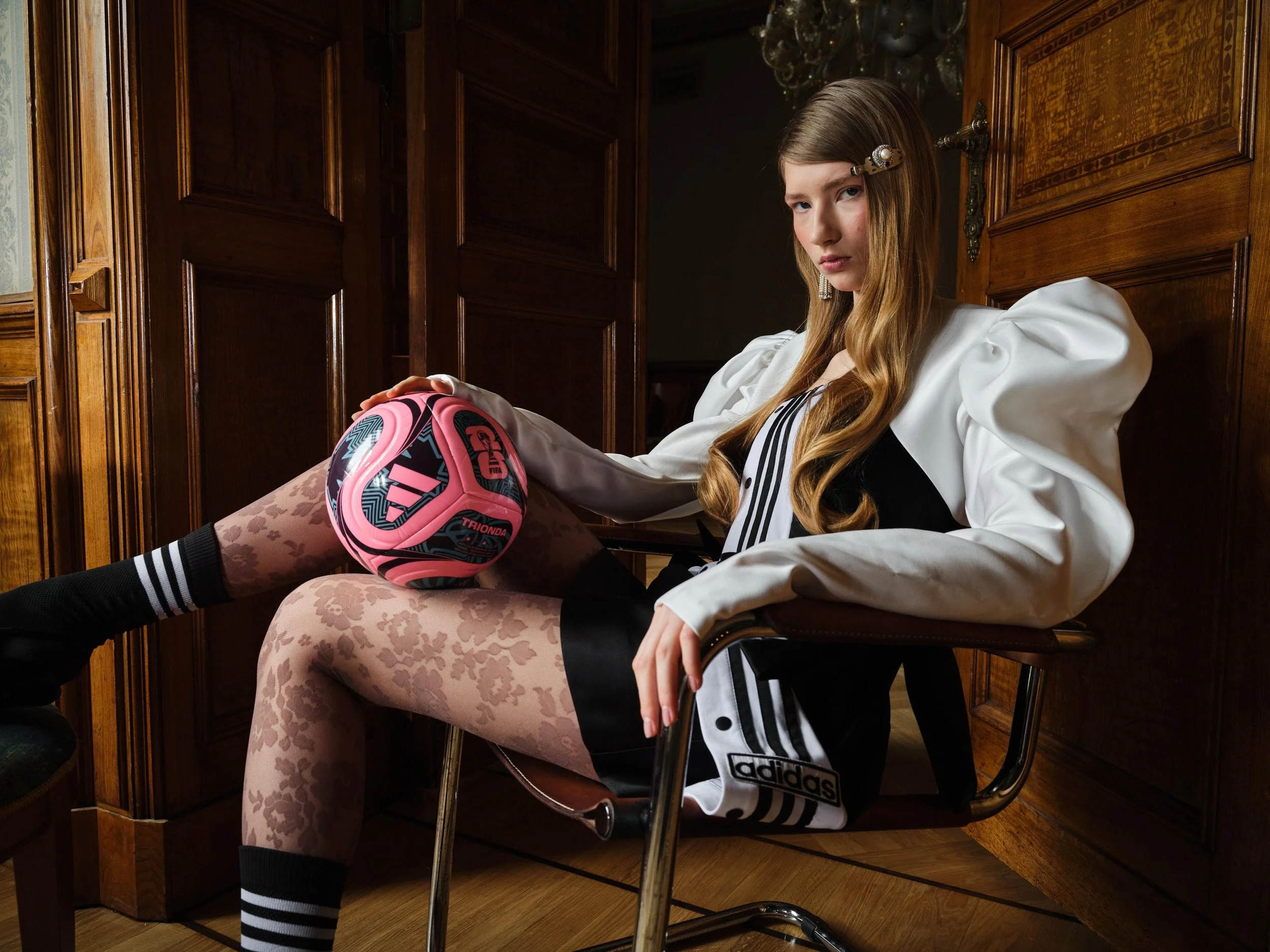
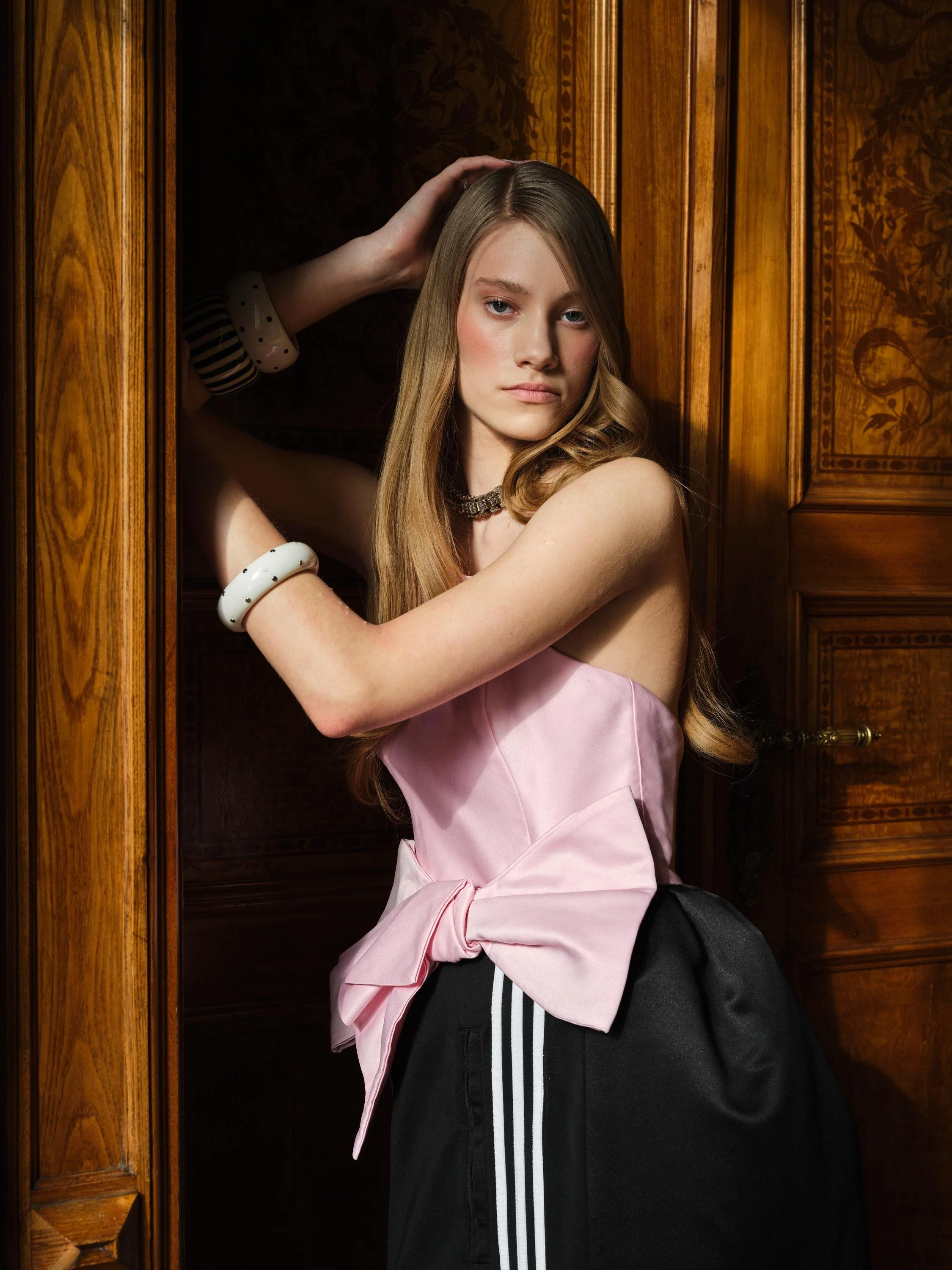
There are collections that arrive with noise, and there are collections that arrive with clarity. BAÉ’s AW26 collaboration with Adidas Baltic belongs firmly to the latter. Introduced as an upcycled project that rethinks the relationship between sportswear heritage and contemporary femininity, the collection takes pre-existing Adidas Baltic materials and transforms them into something far more nuanced than a simple crossover. It is a study in reinvention, one that treats reconstruction not as trend language, but as design method.
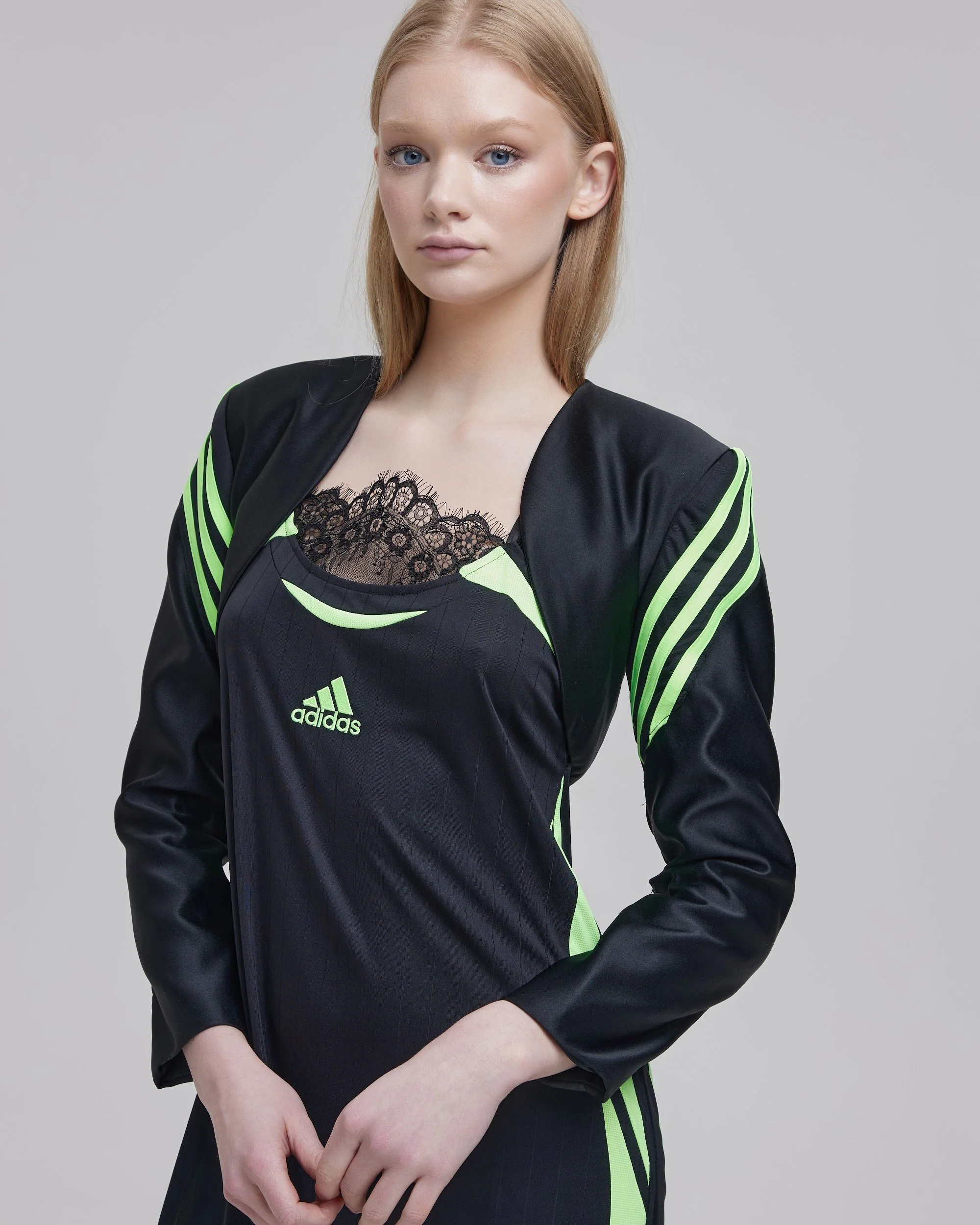
What makes BAÉ AW26 compelling is that it does not discard the visual memory of its source material. Instead, it preserves fragments of the original garments and redirects them into a sharper, more elevated conversation. In this collection, familiarity becomes tension, and tension becomes elegance. The result is a wardrobe that understands the codes of performancewear, yet refuses to remain bound by them.
Where Sportswear Becomes Sculpture
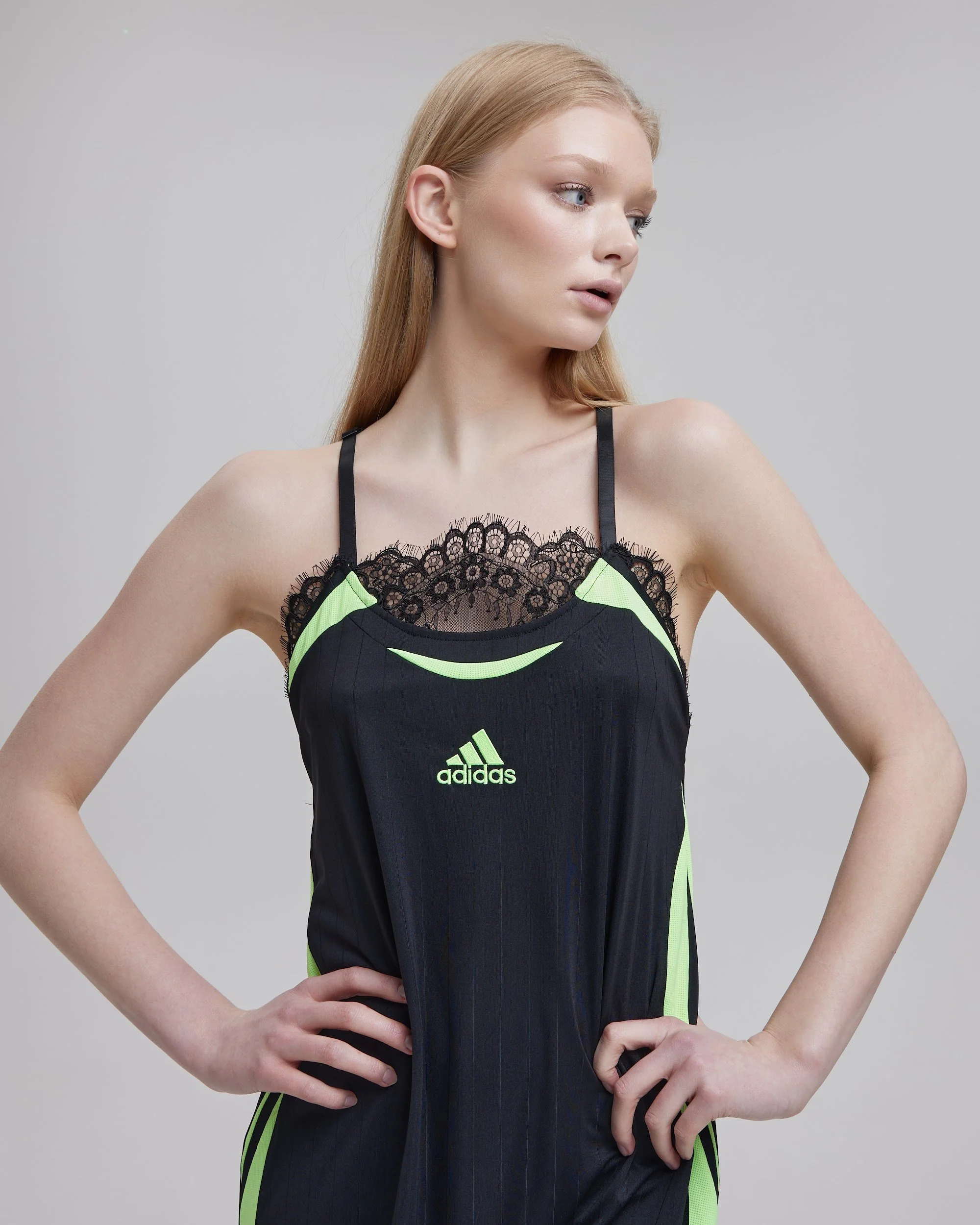
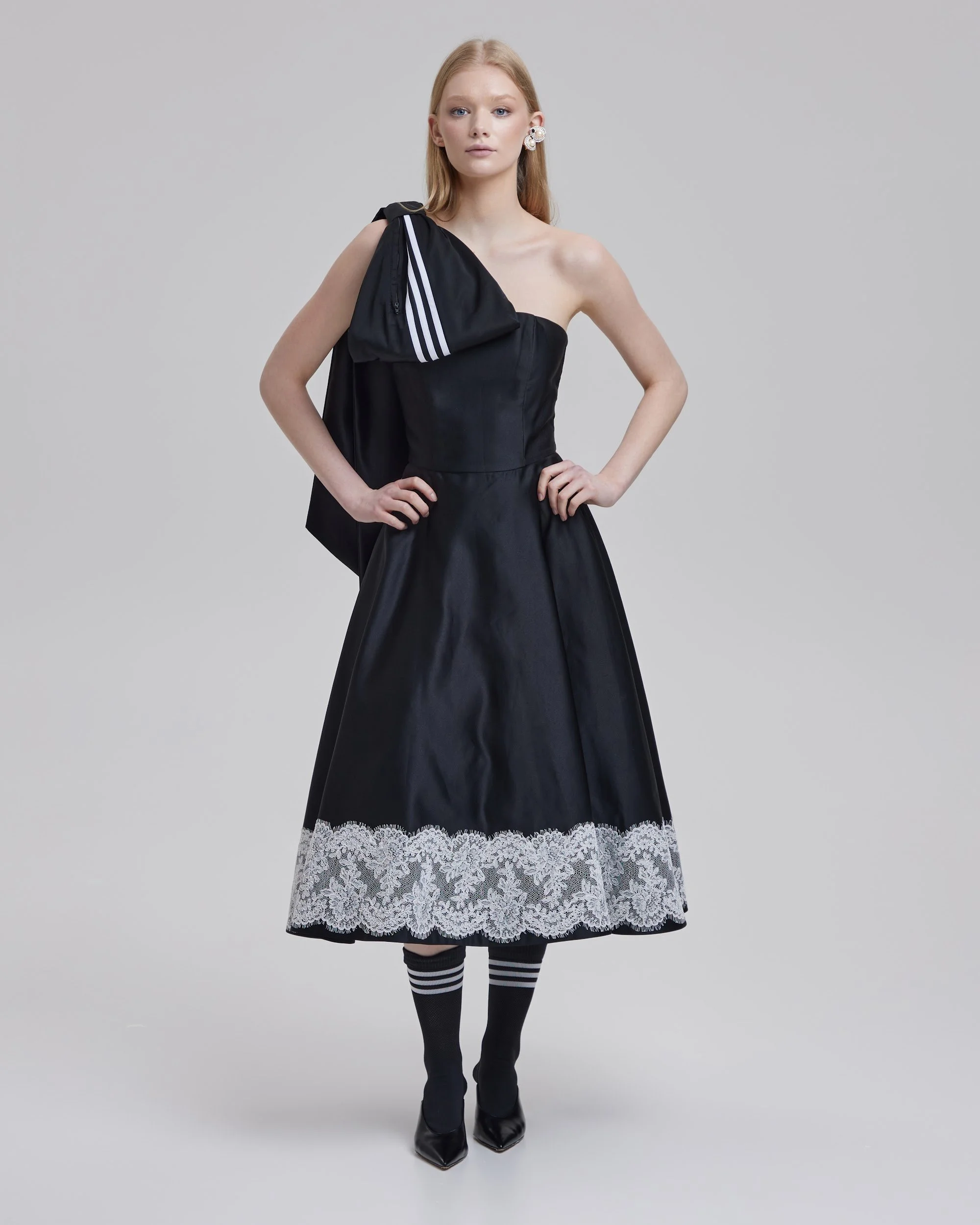
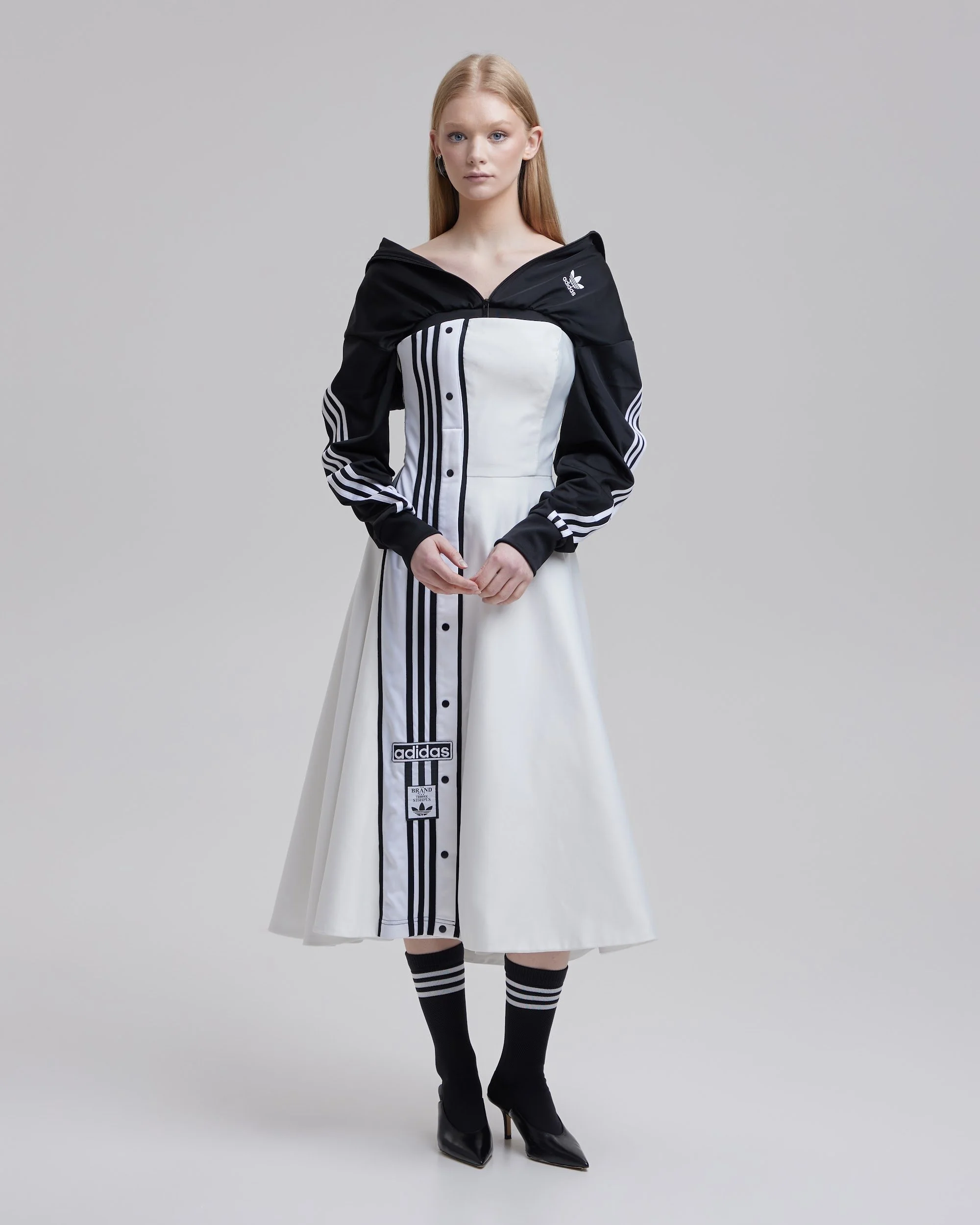
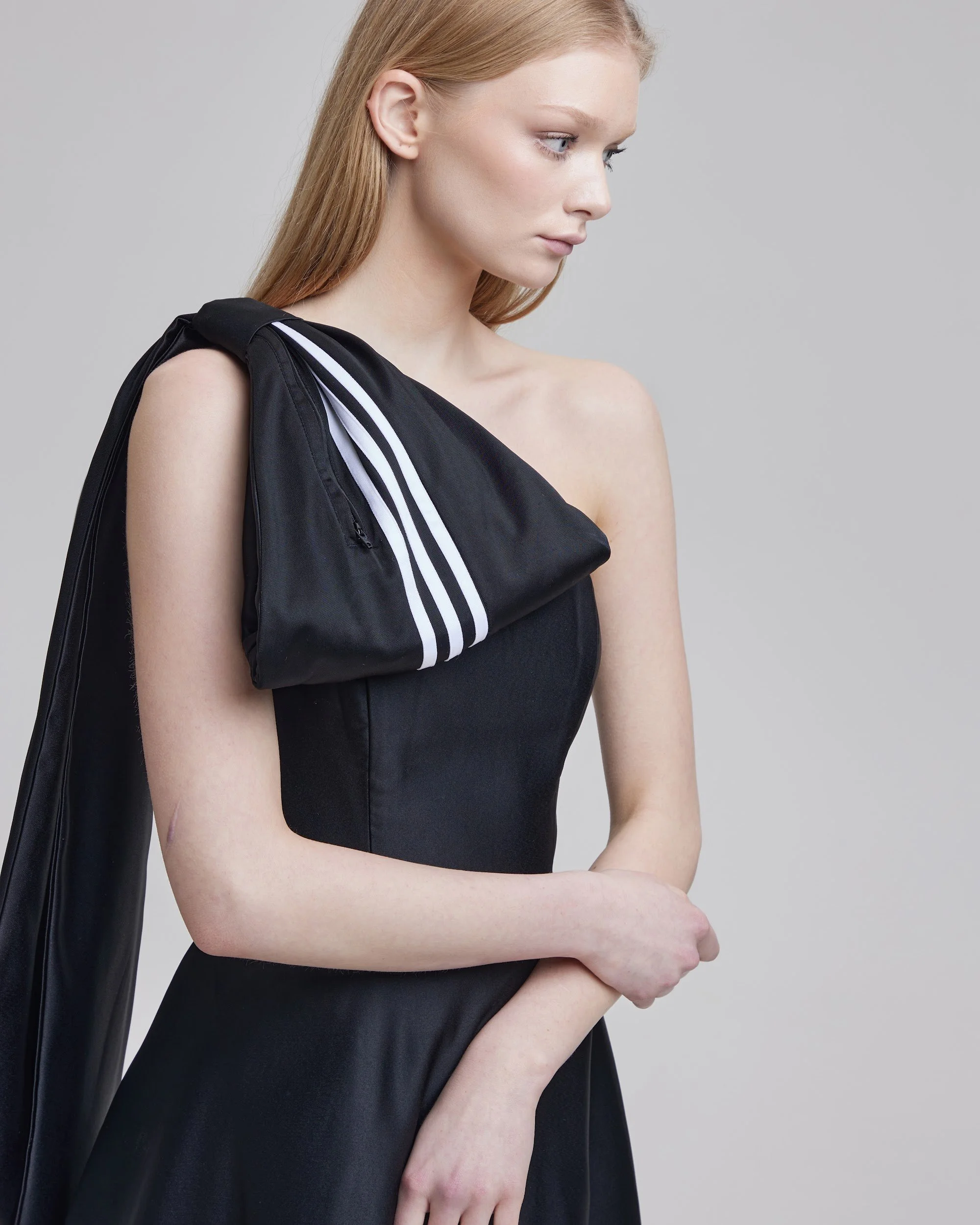
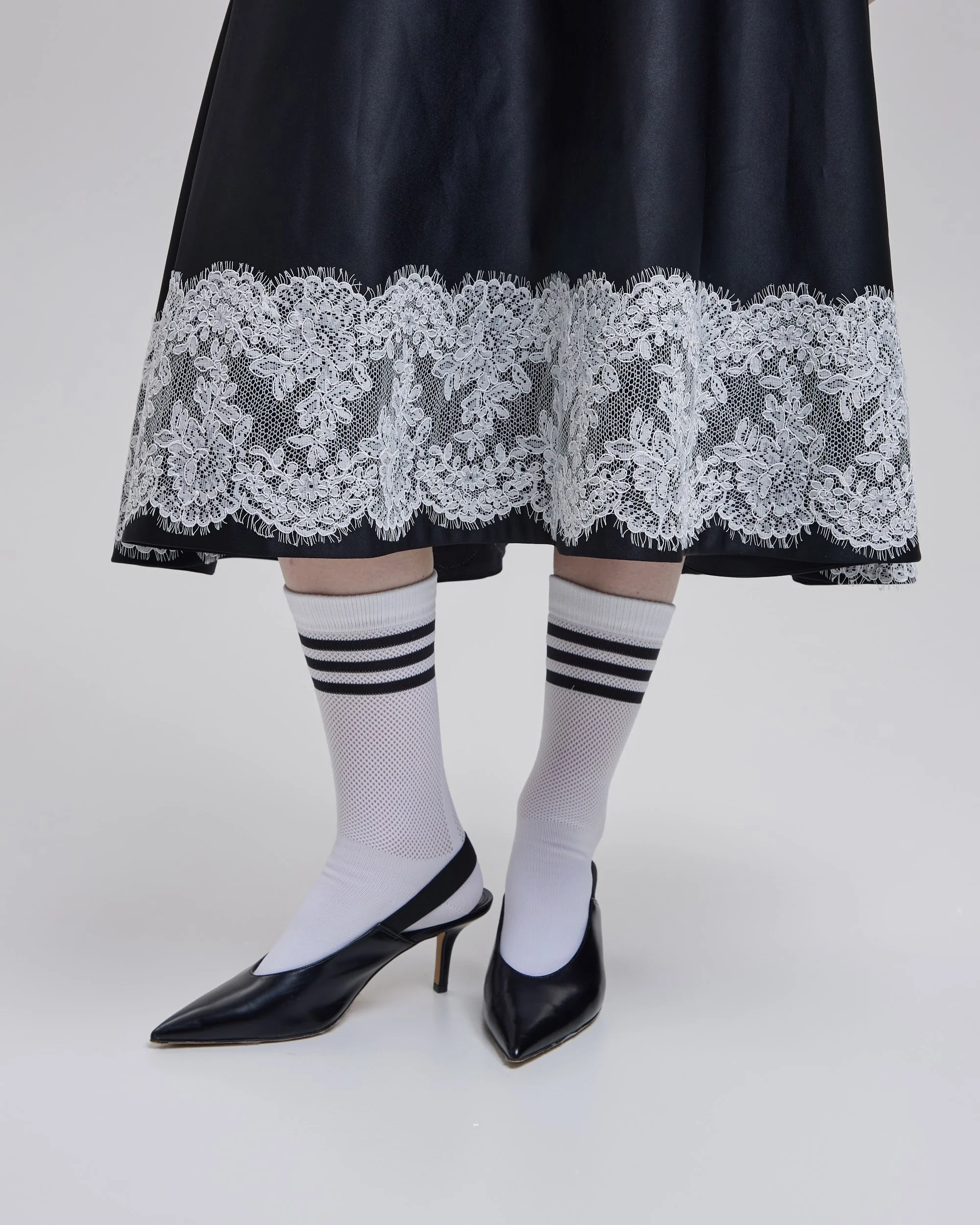
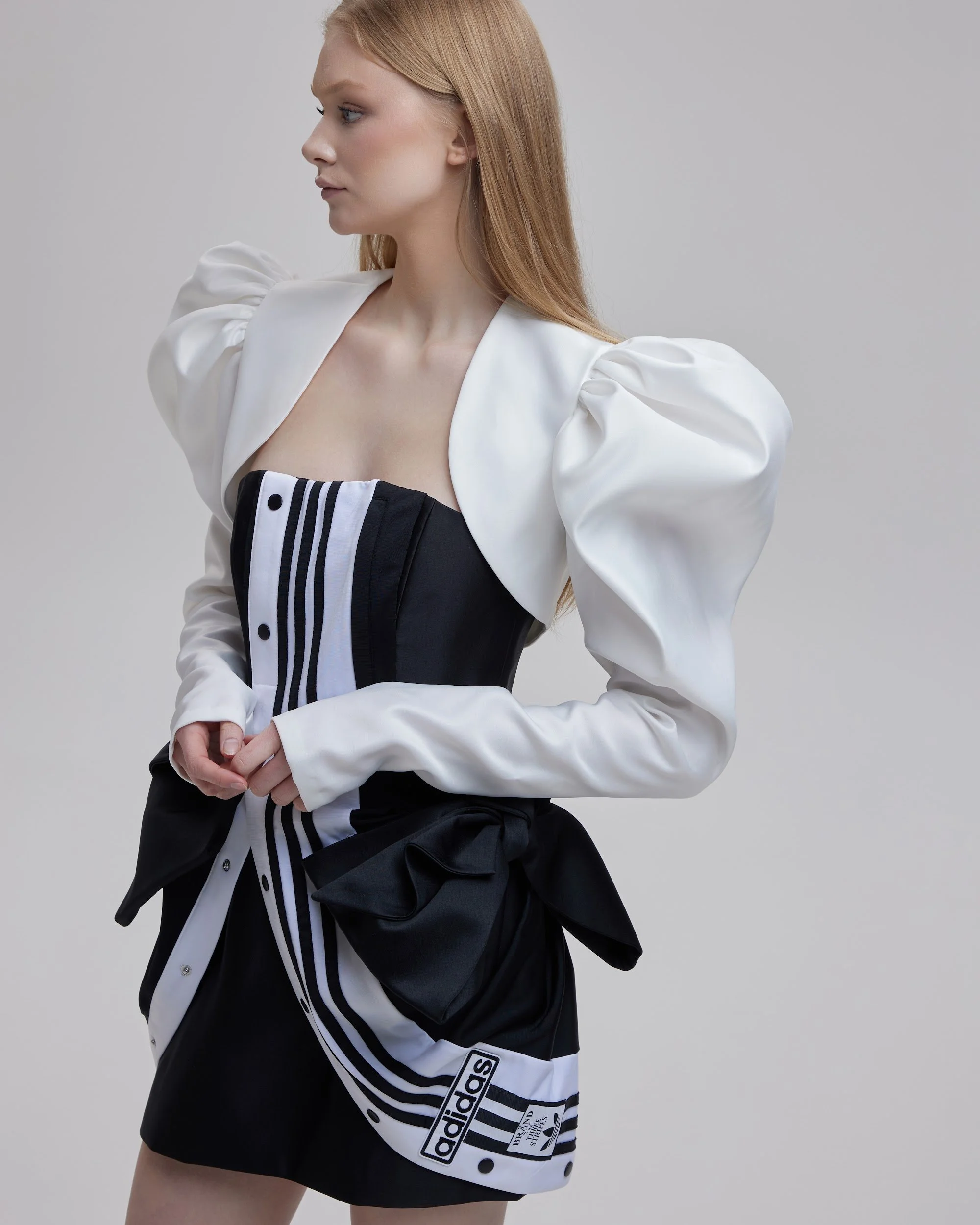
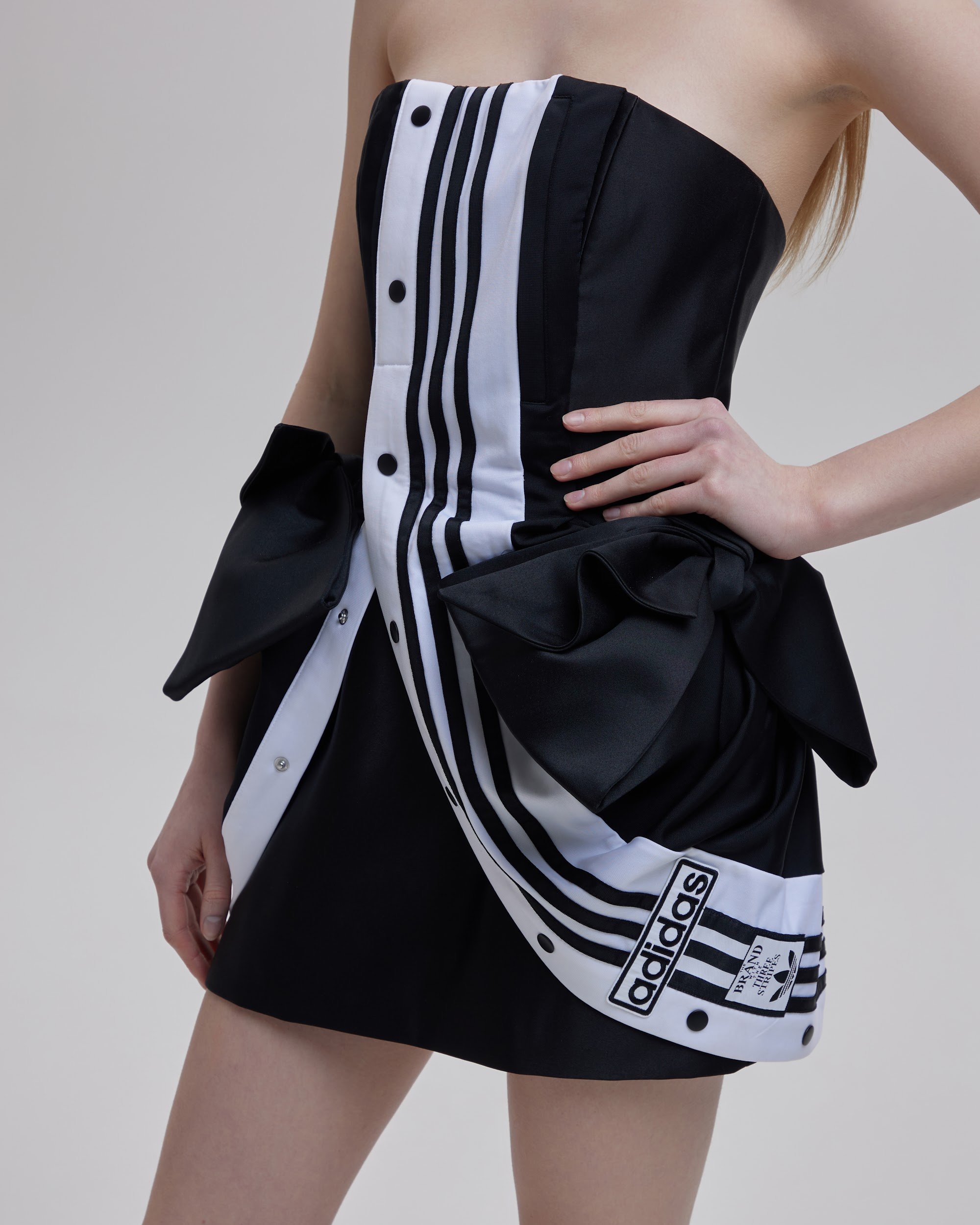
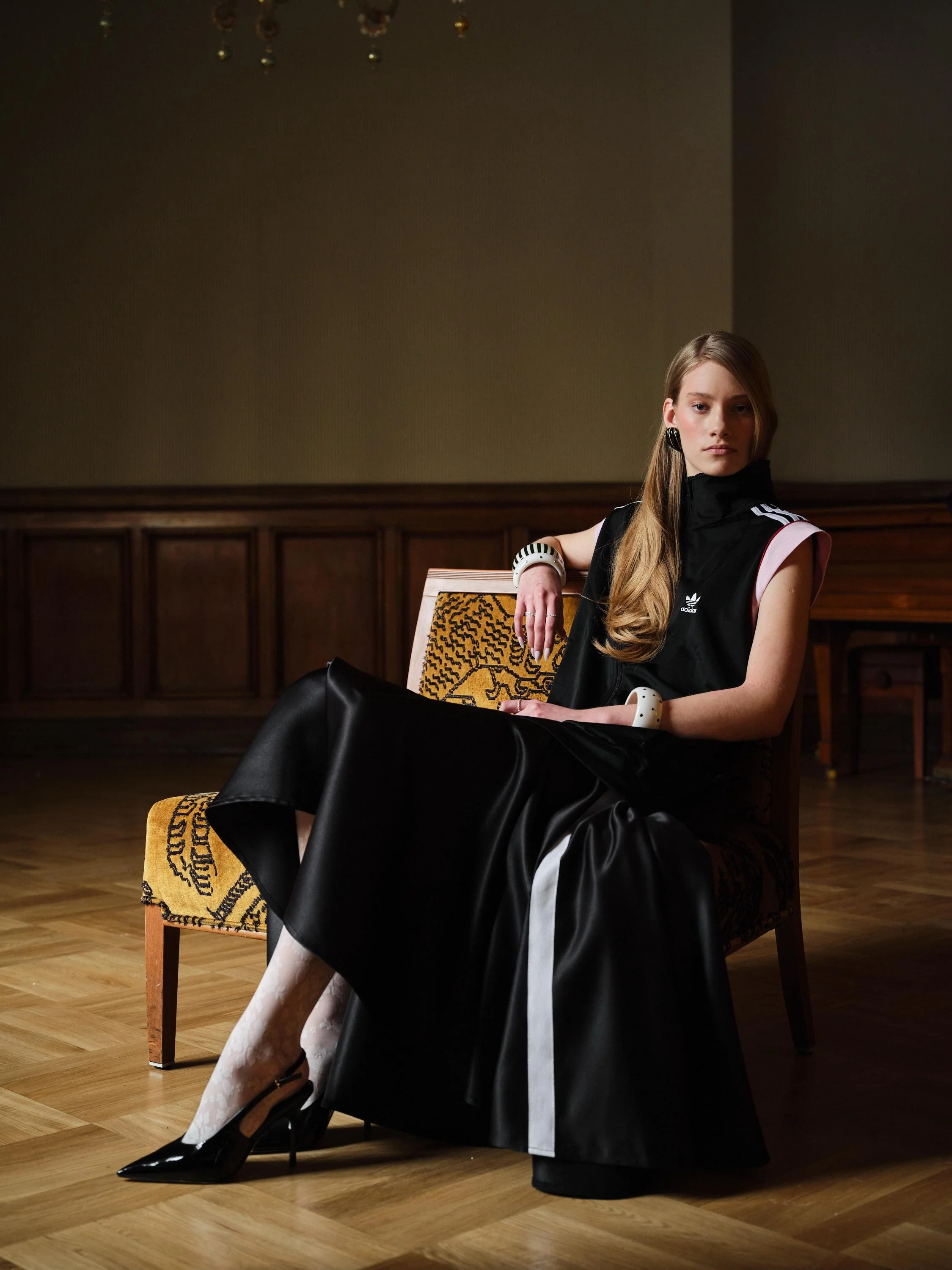
At the heart of the collection is a striking formal contrast. Signature athletic markers including iconic stripes, technical trims, performance fabrics, and panel constructions are re-cut into sculptural bodices, cinched waists, and elongated silhouettes. BAÉ does not merely place sporty references onto occasionwear. It dissects the grammar of sportswear and rebuilds it through the lens of structure, proportion, and movement.
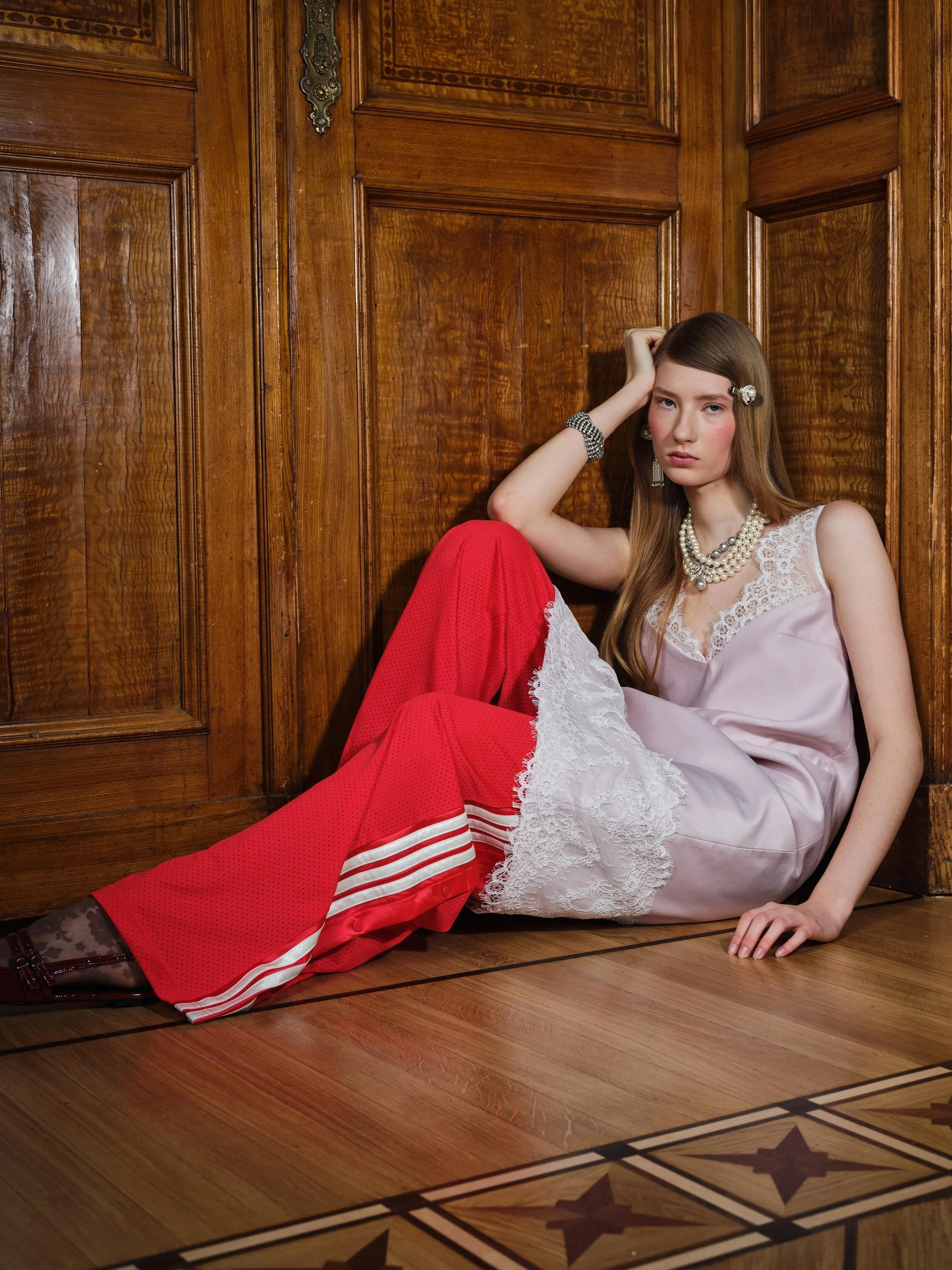
Architectural tailoring gives the collection its backbone, while unexpected draping introduces softness where technical textiles might otherwise feel rigid. This balance matters. It is what allows the collection to feel modern rather than conceptual. On one side, there is precision. On the other, there is fluidity. Together, they create a wardrobe that feels self-possessed, feminine, and alert to the body in motion.
In the context of a wider fashion landscape increasingly interested in circularity, BAÉ AW26 stands out because it avoids the visual clichés that often accompany sustainability narratives. It does not look compromised by ethics. It looks sharpened by them.
BAÉ’s Slow Fashion Ethos Feels Increasingly Relevant
Founded by Katya and Marina, BAÉ was created from a shared vision of designing pieces that celebrate special moments while resisting the disposability of fast fashion. The brand, which describes itself through hand-made accessories and meticulously crafted dresses, is built around the idea that occasionwear should be cherished, reworn, and styled across different contexts rather than consumed for a single event.
That philosophy gives this Adidas Baltic collaboration real depth. BAÉ has already positioned itself as a label invested in slow fashion, versatility, and local production, with adjustable details, removable accessories, and styling flexibility central to its design identity. The brand’s official platform also foregrounds its sustainability messaging and direct customer contact, reinforcing a wider ecosystem around conscious dressing rather than a one-off campaign moment.
In that sense, AW26 reads less like a departure and more like an expansion. BAÉ’s established language of special-occasion femininity is pushed into a more experimental frame, proving that sustainability can be sensual, technical, and visually assured all at once.